
Lewis — northern part of Lewis and Harris (Outer Hebrides, Scotland)
Lewis is the northern region of the island Lewis and Harris in Scotland’s Outer Hebrides, noted for Stornoway, Gaelic language and culture, machair landscapes, crofting and archaeological finds like the Lewis Chessmen.
Overview
Lewis forms the northern portion of the single landmass known as Lewis and Harris, the largest island group in the Outer Hebrides. It lies off the west coast of Scotland and combines extensive low-lying machair and coastal plains with areas of peat-covered moor and freshwater lochs. The principal town and administrative centre is Stornoway, a harbour town and the island’s primary service and transport hub with a population of just over 5,000.
Image gallery
10 Images




Geography and environment
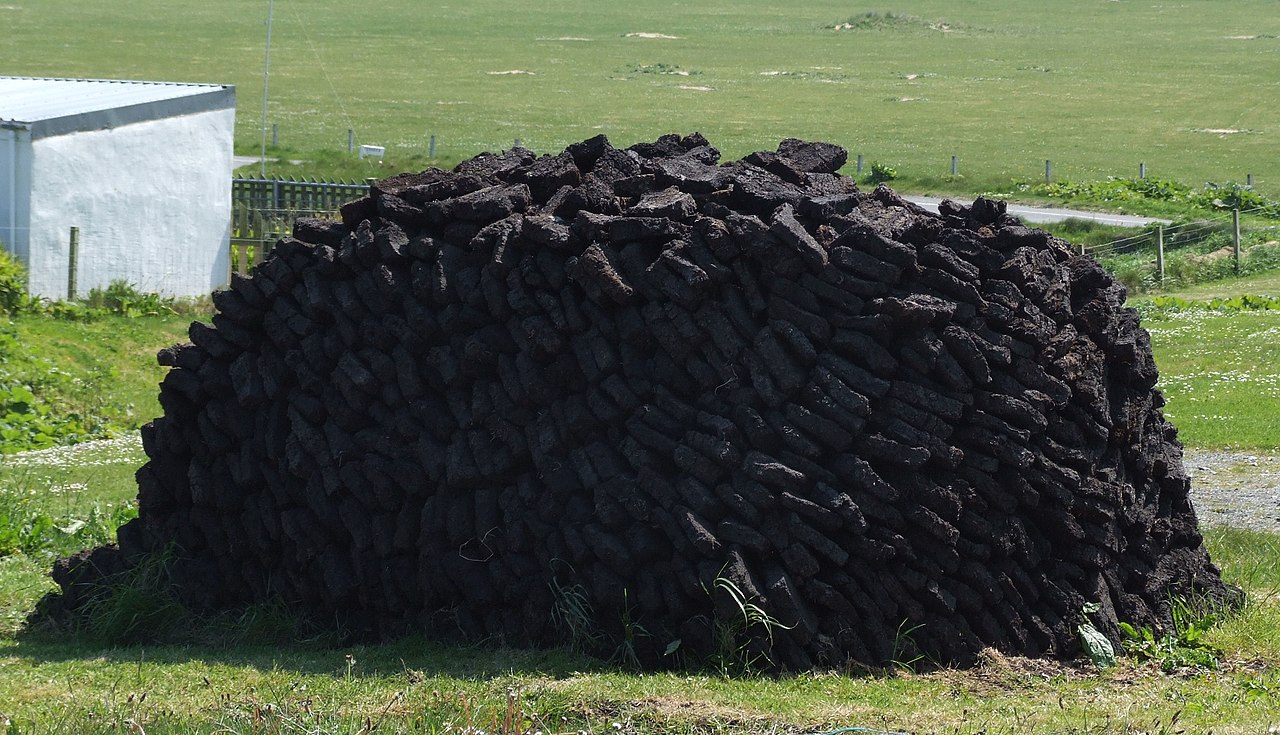
The island’s variety of landscapes includes machair — fertile, shell-sand coastal grassland — peat bogs and heather moor. These habitats support important birdlife, including waders and seabird colonies, and contribute to the island’s conservation value. Traditional land uses such as crofting, small-scale grazing and peat cutting have shaped the countryside for centuries.
People, language and communities
Communities on Lewis are often dispersed in villages and crofting townships. Scottish Gaelic remains a central part of local identity, used in family life, schools and community activities; efforts to promote the language continue through education and cultural programmes. The village of Barvas is noted for a particularly high proportion of Gaelic speakers. Stornoway also hosts a range of Gaelic and cultural organisations.
History and archaeology
Lewis has a deep history reflected in names, place archaeology and medieval remains. Norse and Gaelic influences are visible across the island. One of the island’s best-known discoveries is the set of medieval carved figures known as the Lewis Chessmen, a culturally significant find that highlights the area’s connections into the medieval North Atlantic world.
Economy and infrastructure
The local economy blends traditional activities and modern services: crofting and fishing, tourism, public services and growing renewable-energy projects. Stornoway provides the main commercial, medical and transport links to the Scottish mainland, and smaller settlements rely on local shops, community halls and ferry or air connections for supplies and travel.
Culture and events
Music, storytelling, Gaelic song and community festivals remain strong on Lewis. Cultural life is sustained through local ceilidhs, school programmes, arts groups and heritage initiatives. Visitors can experience island crafts, traditional music and guided walks that explain natural and cultural history.
Conservation and tourism
Conservation efforts focus on protecting machair, peatlands and bird habitats while balancing recreational use and crofting practices. Tourism is important but seasonal; visitors are encouraged to follow local guidance to minimise disturbance to sensitive environments and to support local businesses and community enterprises.
Notable facts
- Lewis makes up the northern half of the single island called Lewis and Harris.
- Stornoway is the island’s largest settlement and principal transport link to Scotland.
- The Gaelic language (Scottish Gaelic) is an important part of island identity and everyday life.
- Archaeological finds such as the Lewis Chessmen illustrate the island’s medieval connections.
- Local places such as Barvas are noted for high proportions of Gaelic speakers, and community groups in Stornoway support language and cultural activity.
For practical information and further reading consult regional guides and authoritative community resources for Outer Hebrides and island services, and local cultural organisations working to sustain Gaelic language and island heritage.
Related articles
Author
AlegsaOnline.com Lewis — northern part of Lewis and Harris (Outer Hebrides, Scotland) Leandro Alegsa
URL: https://en.alegsaonline.com/art/57603