
Lewis County, Washington
A largely rural county in southwestern Washington centered on Chehalis and Centralia; historically timber- and agriculture-based with river valleys, foothills, and outdoor recreation opportunities.
Overview
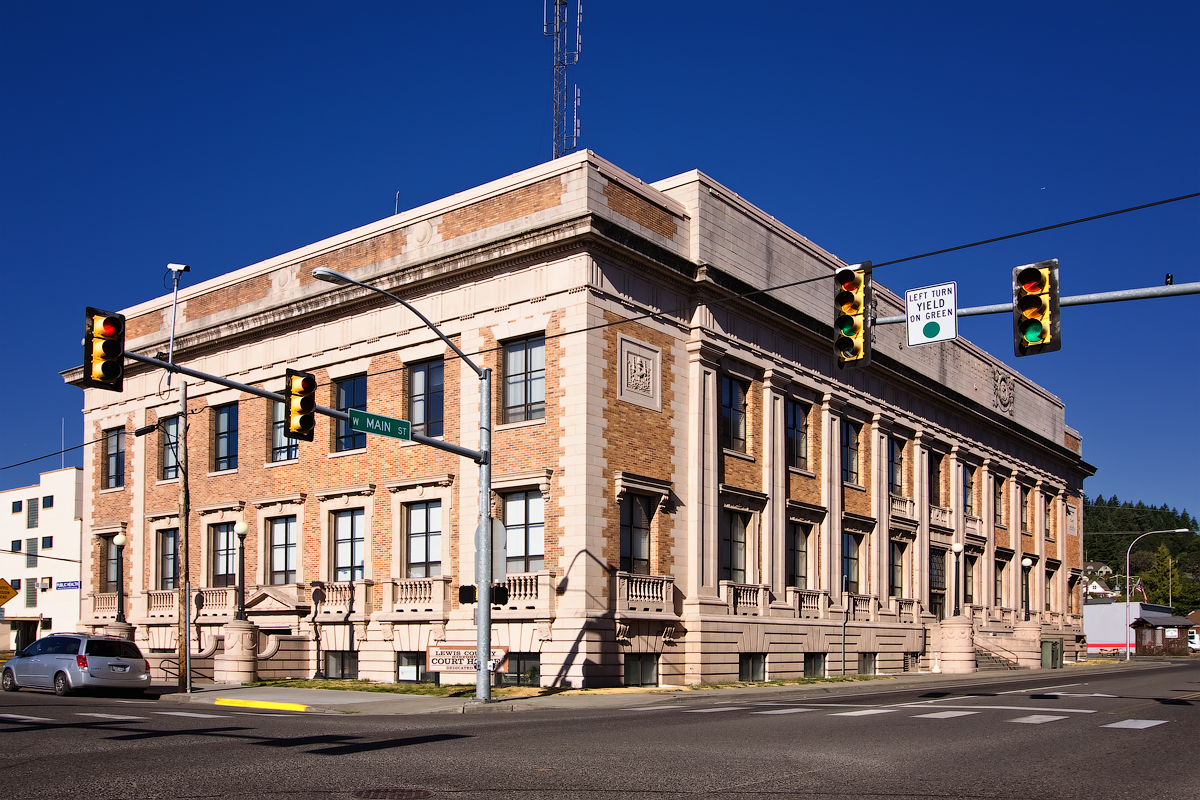
Lewis County is a largely rural county in Washington state in the United States. The county government is based in the city identified as the county seat, and the region centers on the Chehalis–Centralia area, including the city of Chehalis. At the 2010 census the county population was recorded as 75,455, reflecting a mix of small towns, farming communities and forested lands.
Image gallery
2 Images
Geography and landscape
Lewis County occupies a transition zone between lowland river valleys and the western foothills of the Cascade Range. Its landscape includes working farmland, riparian corridors along rivers and streams, and large tracts of forest that have supported a timber economy for more than a century. The county's climate is influenced by maritime patterns that produce mild, wet winters and warm summers, making the river valleys productive for agriculture and the uplands attractive for outdoor recreation.
History
The area was settled and developed in the 19th century as transportation routes, river navigation, railroads and logging brought people and industry. The county name commemorates the explorer Meriwether Lewis. Towns such as Chehalis and Centralia grew as commercial and railroad centers; many smaller communities formed around mills and agricultural service centers. Over time the local economy has diversified while retaining strong ties to natural-resource industries.
Economy and communities
Major economic activities include forestry, agriculture, light manufacturing, retail services and tourism tied to outdoor recreation. The county contains a mix of incorporated cities and towns and numerous unincorporated communities; population centers provide local government, schools and health services for surrounding rural areas. Small business, regional employers and some commuting to jobs along the Interstate 5 corridor also contribute to the local economy.
Transportation and recreation
Interstate and state highways, historic rail lines and local roads connect Lewis County to regional markets and population centers. Outdoor recreation is important to residents and visitors: rivers and lakes support fishing and boating, forest roads and trails offer hiking and horseback riding, and public lands provide opportunities for camping, hunting and nature viewing. Several state and local parks and trail systems are popular destinations for day use and longer trips.
Government, education and services
The county government administers services including public safety, courts, planning and public works. Local school districts provide primary and secondary education, and community college campuses in the region serve postsecondary and workforce training needs. Health care, cultural institutions and civic organizations are centered in the larger towns while serving the broader rural population.
Notable facts
- Named for the American explorer Meriwether Lewis.
- Historically reliant on timber and agriculture, with ongoing resource and manufacturing activity.
- Provides a mix of recreational access to rivers, forests and trails while maintaining working farmland and small-town communities.
For updated demographic information, official services and travel guidance consult county and regional resources or local visitor guides. Additional information and links to county agencies, maps and services are available from official web and community sources.
See also local history collections and regional planning documents for deeper context on development, land use and conservation in the county.
Related articles
Author
AlegsaOnline.com Lewis County, Washington Leandro Alegsa
URL: https://en.alegsaonline.com/art/57598