
Light beam
A light beam is a concentrated projection of electromagnetic energy from a source. This article explains how beams form, their physical properties, common devices that produce them, and their practical uses.
A light beam is a stream or bundle of light rays that travel together from a source in a preferred direction. Beams can be narrow and highly directional or broad and diffuse depending on how the light is produced and manipulated. Natural examples include shafts of sunlight seen when sunlight passes through openings in clouds or gaps in foliage; artificial beams are created by lamps, reflectors, lenses and lasers.
Image gallery
4 Images

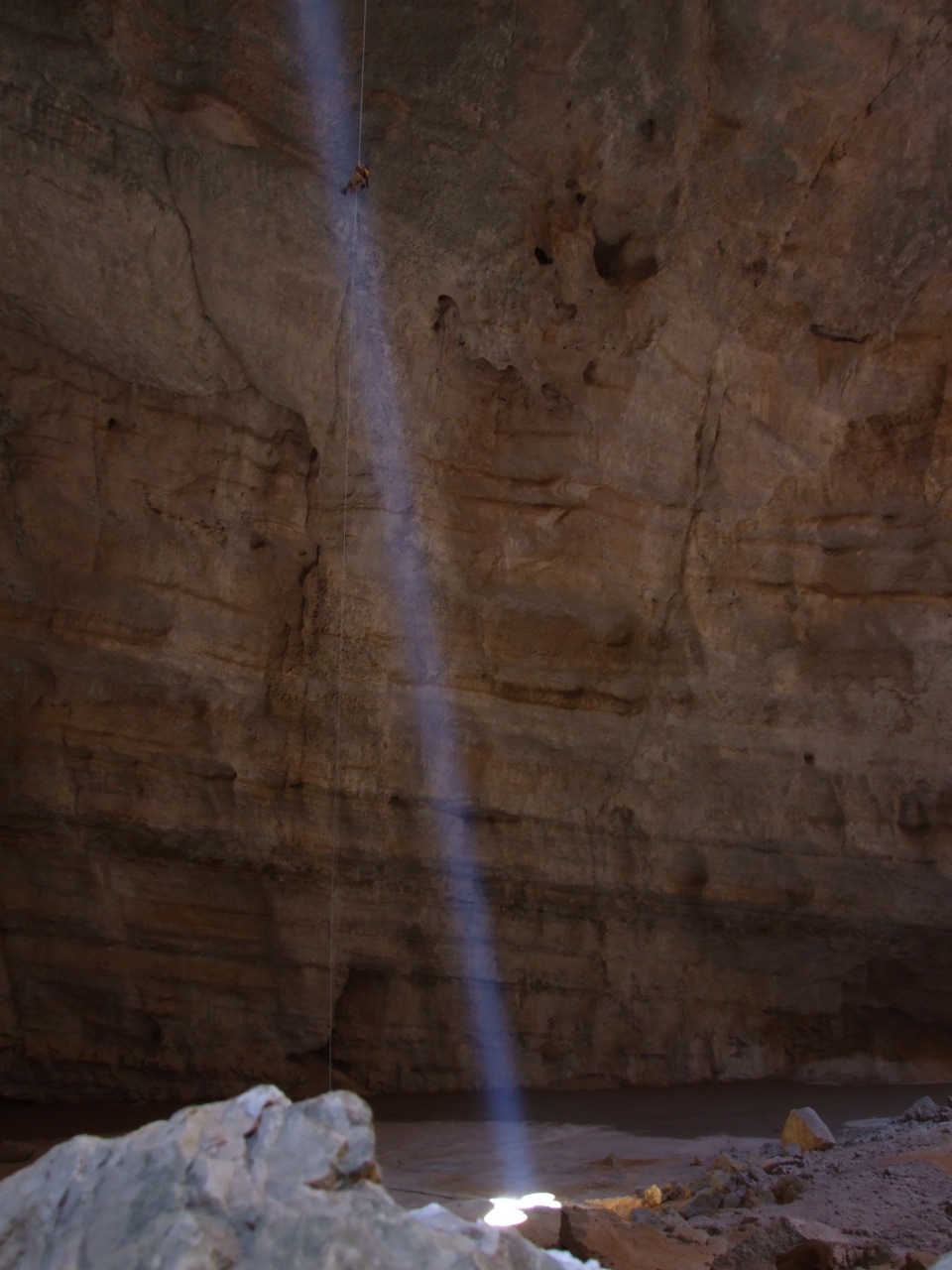

Physical characteristics
Several attributes describe a beam of light: directionality (how parallel the rays are), divergence (spread with distance), intensity distribution across the beam, coherence (phase relationship important for lasers), wavelength composition (color), and polarization. In simple geometric optics a beam is modeled as many adjacent light rays; more advanced descriptions use wave optics and, for lasers, Gaussian beam theory to represent how a beam widens and focuses.
How beams are formed
Beams arise when light is collimated or focused. A parabolic reflector or lens can redirect light from a point or small source into a concentrated, roughly parallel beam—this principle is used in flashlights, car headlights and spotlights. A basic light source such as a lamp combined with optics produces many common artificial beams. Highly parallel, low-divergence beams come from lasers produced by stimulated emission; see devices that rely on lasers.
Visibility and atmospheric effects
Normally light in free space is invisible except where it strikes a surface. Beams become visible along their path when particles or droplets scatter light toward the observer. This scattering explains phenomena like crepuscular rays—sunlight made visible as it passes through clouds or windows—and the visibility of a laser pointer in fog or dust. The same scattering principles are used in theatrical lighting to make beams apparent on stage.
Uses and examples
- Illumination: headlights, searchlights and spotlights concentrate light for visibility and direction.
- Measurement and communication: lasers provide precise beams for surveying, sensing and optical communications.
- Processing: focused beams cut or weld materials in manufacturing.
- Scientific study: beams probe physical properties in spectroscopy and microscopy.
Notable distinctions
Not all beams are the same: lamps plus reflectors produce intensity by redirecting many rays, while laser beams are notable for coherence and very low divergence, making them exceptional for precision tasks. Other distinctions include beam shape (circular, elliptical, or structured), temporal behavior (continuous or pulsed), and spectral purity (single wavelength versus broadband). For a basic conceptual reference see light.
Understanding beams combines practical optics with wave behavior: engineers design optical elements to shape beams for visibility, safety, efficiency and function across lighting, industrial, medical and research applications.
Questions and answers
Q: What is a light beam?
A: A light beam is a small projection of light energy coming from a source into a beam.
Q: What is an example of a natural light beam?
A: Sunlight is a natural example of a light beam when it crosses through various objects like clouds, foliage, windows, etc.
Q: How is fake light produced?
A: To produce fake light, a lamp and a parabolic reflector is used in many lighting devices such as spotlights and car headlights.
Q: What produces the most parallel light beams possible?
A: Light from certain types of lasers has the smallest possible beam width, so it produces the most parallel light beams possible.
Q: What is used in many lighting devices to produce fake light?
A: A lamp and a parabolic reflector is used in many lighting devices such as spotlights and car headlights to produce fake light.
Q: Which light beams have the smallest possible beam width?
A: Light from certain types of lasers has the smallest possible beam width.
Q: What is a natural example of a light beam?
A: Sunlight is a natural example of a light beam.
Related articles
Author
AlegsaOnline.com Light beam Leandro Alegsa
URL: https://en.alegsaonline.com/art/57928