
Levant Fair (Yarid HaMizrach)
An international trade fair held near Tel Aviv Port in the 1920s–1930s, the Levant Fair showcased industry and agriculture from Palestine and abroad and shaped the city's commercial and cultural life.
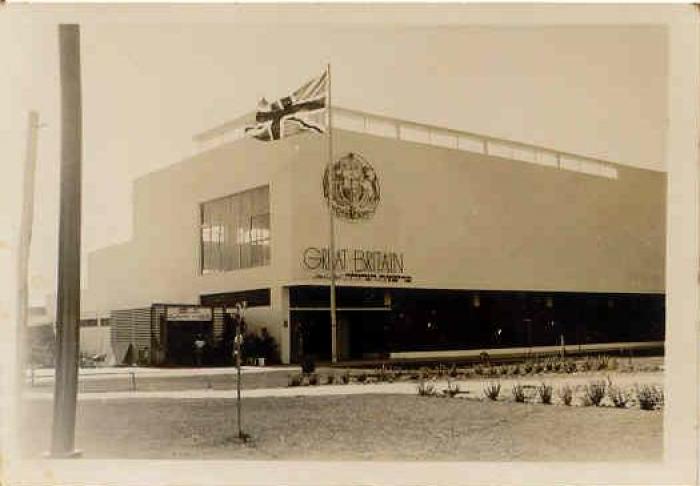
The Levant Fair, known in Hebrew as Yarid HaMizrach, was an international trade exposition held on the Mediterranean waterfront beside the early Tel Aviv Port during the 1920s and 1930s. Organized under the British Mandate era, the fair brought together producers, merchants and visitors from Palestine, neighboring countries and Europe to display agricultural produce, manufactured goods and services. Over several seasons it became a focal point for commercial promotion and for presenting the economic ambitions of the region.
Image gallery
10 Images




Characteristics and organization
Events at the Levant Fair were concentrated in a seaside exhibition complex composed of large pavilions and open display areas. Typical components included:
- Pavilions and national exhibits highlighting goods and technologies;
- Thematic sections for agriculture, industry, handicrafts and shipping;
- Commercial meetings, publicity programs and cultural performances to attract buyers and the public.
The fair's visual style reflected contemporary design trends in the region, and its layout emphasized easy public access from the port and adjacent streets.
History and development
Emerging in the interwar years, the Levant Fair grew from commercial fairs and occasional expositions into a larger international showcase. Its prominence peaked in the 1930s as organizers actively courted overseas exhibitors and promoted export opportunities. Political tensions and the outbreak of broader conflicts in the late 1930s and 1940s, together with changing trade networks, led to a decline in the fair's regular operation.
Uses, importance and legacy
The fair served several roles: it stimulated local industry and agriculture by creating market contacts, introduced new technologies and products to regional consumers, and helped position Tel Aviv as a center for trade and modern civic life. For many participants it offered rare face-to-face access to foreign buyers and distributors.
After the period of active fairs the site retained its nickname, and parts of the exhibition complex were later repurposed or preserved. Today the memory of the Levant Fair is invoked in studies of the economic and cultural history of Mandate Palestine and early Tel Aviv, and in conservation efforts that seek to protect elements of the city's interwar built environment.
Notable points: the Levant Fair was among the region's earliest large-scale international trade exhibitions, it reflected international and local design influences, and it played a formative role in the commercial development of the Tel Aviv waterfront area.
Related articles
Author
AlegsaOnline.com Levant Fair (Yarid HaMizrach) Leandro Alegsa
URL: https://en.alegsaonline.com/art/57547