
Lewis and Clark Expedition (Corps of Discovery)
An overview of the Lewis and Clark Expedition (1804–1806): purpose, route, key figures, scientific and diplomatic outcomes, and its place in early U.S. westward expansion.
The Lewis and Clark Expedition, often called the Corps of Discovery, was the first federally funded exploration of the trans‑Mississippi West by the United States. Commissioned by President Thomas Jefferson, it ran from 1804 to 1806 to map the newly acquired Louisiana Purchase, seek a water route to the Pacific, and establish American presence and trade relations in the region. The journey began near St. Louis and returned two years later with detailed journals, maps, and natural history notes that informed future settlement and policy.
Image gallery
10 Images





Composition, route, and timeline
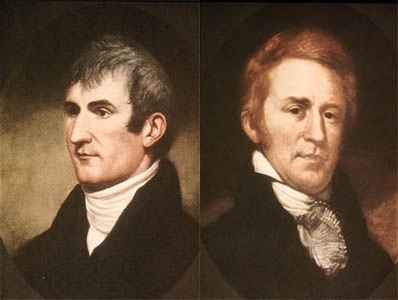
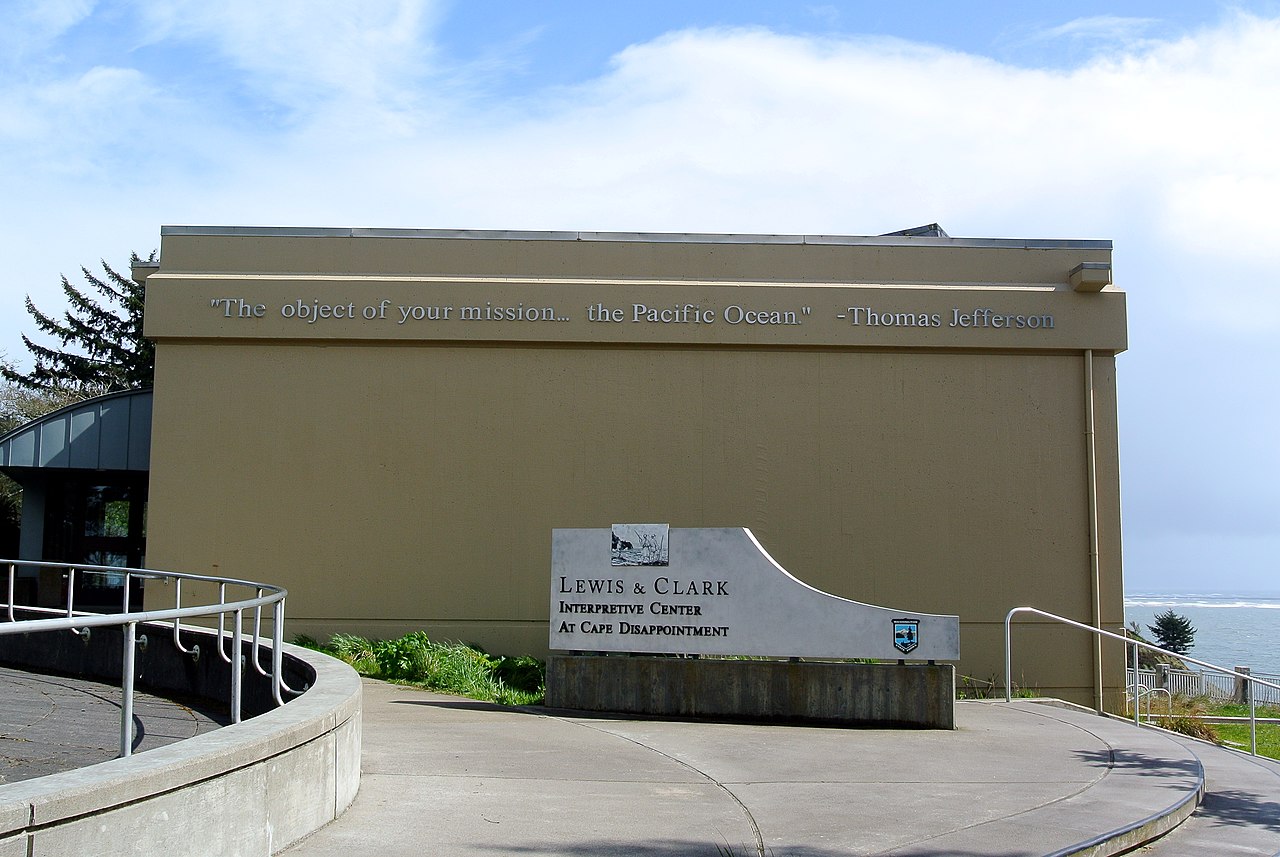
The party left St. Louis in May 1804 with about thirty‑three members, including soldiers, frontiersmen, interpreters and servants. Led by Captains Meriwether Lewis and William Clark, they wintered at Fort Mandan (present‑day North Dakota), crossed the Rocky Mountains, and reached the Pacific near the mouth of the Columbia River in late 1805. They encamped at Fort Clatsop for the winter of 1805–1806 and returned upriver the following year, retracing much of their route to St. Louis.
Navigation and survival depended on strong local partnerships. Sacagawea, a Shoshone woman traveling with the expedition, acted as an interpreter and guide at crucial moments and helped secure horses needed for the mountain crossing. The expedition's journals record numerous encounters with Indigenous nations, trade negotiations, and diplomatic ceremonies designed to assert U.S. sovereignty and create commercial ties.
Goals, methods, and scientific work
Official goals combined practical and scientific aims: to gather reliable maps, catalog plants and animals, document climate and geography, and search for a feasible northwest waterway. The party kept meticulous journals, made maps, and collected specimens. These records expanded European‑American knowledge of western ecology and Indigenous cultures and provided the first comprehensive maps of the region for the federal government and later explorers.
- Leadership: Meriwether Lewis and William Clark directed military discipline, scientific recording, and diplomacy.
- Key aides: Sacagawea and interpreters such as Toussaint Charbonneau influenced interactions with native groups.
- Casualties: The only member to die on the official outbound journey was Sergeant Charles Floyd; contemporary accounts described his illness as bilious colic or dysentery and modern historians debate the precise cause.
The expedition had lasting consequences. It strengthened U.S. territorial claims in the Pacific Northwest, provided maps that opened routes for fur traders and settlers, and stimulated interest in scientific exploration. After the journey Lewis briefly served as Governor of the Louisiana Territory and Clark as Governor of the Missouri Territory. Their journals and the Corps' accomplishments remain central to American frontier history and continue to be studied for their ethnographic, geographic and environmental information.
For more detail, primary sources and modern analyses consult travel accounts and annotated journals, which discuss the day‑to‑day operations of the expedition, its encounters with many Indigenous nations, and debates about legacy and memory. See editorial collections and national archives for original entries and maps, or explore interpretive resources on the expedition's routes and historical sites.
Suggested entry points: background on the Louisiana Purchase, biographical notes on Sacagawea, and archival materials such as field journals and annotated maps. For a focused study of personnel and outcomes consult modern summaries and primary transcriptions at repositories and educational sites: archival collections and specialized interpretive projects provide searchable documents and maps for researchers and the public.
Questions and answers
Q: Who led the Lewis and Clark Expedition?
A: Meriwether Lewis and William Clark led the expedition.
Q: Why did US President Thomas Jefferson send the expedition?
A: President Jefferson sent the expedition to explore the Louisiana Purchase, which the United States had just bought from France.
Q: When did the expedition depart from Saint Louis?
A: The expedition departed from Saint Louis in 1804.
Q: How many people were in the group led by Lewis and Clark?
A: The group led by Lewis and Clark included 33 people.
Q: Who joined the group along the way and how did she help them?
A: A Shoshone Native American woman named Sacagawea joined the group and helped guide and translate for them.
Q: What were Lewis and Clark's occupations after completing the expedition?
A: After completing the expedition, Lewis became Governor of Louisiana Territory and Clark became Governor of Missouri Territory.
Q: Who was the only person to die on the trip and what was the cause of death?
A: Sergeant Charles Floyd was the only person to die on the trip, and he died on August 20, 1804 of Dysentery.
Related articles
Author
AlegsaOnline.com Lewis and Clark Expedition (Corps of Discovery) Leandro Alegsa
URL: https://en.alegsaonline.com/art/57591
Sources
- pbs.org : "Lewis and Clark . Inside the Corps . The Corps"
- mathcs.bethel.edu : "Sacagawea"
- nps.gov : "Lewis & Clark National Historic Trail - Meriwether Lewis (U.S. National Park Service)"