
Leopold von Ranke
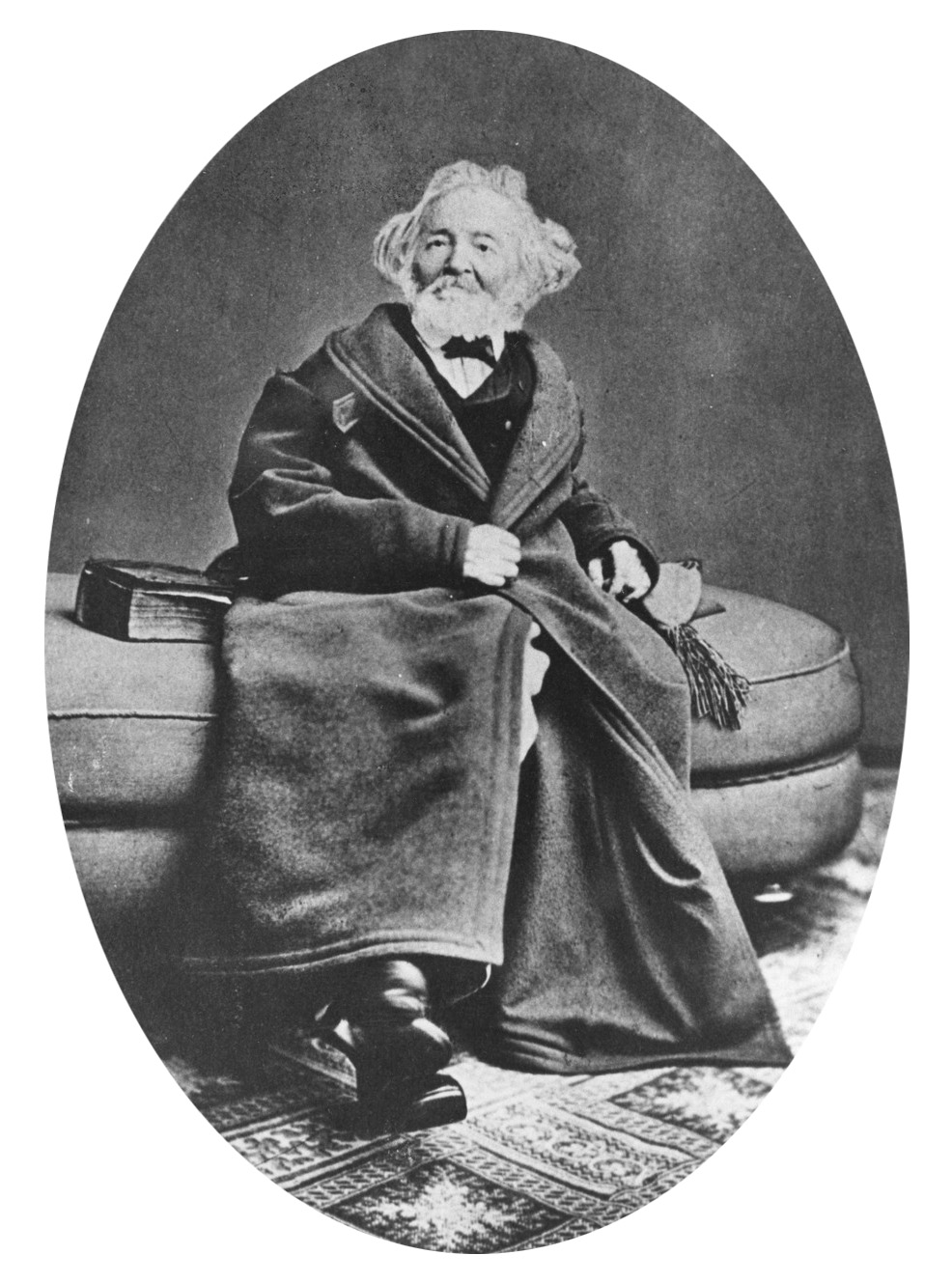
German historian Leopold von Ranke (1795–1886), a founder of modern source-based historiography, known for archival research, emphasis on primary sources and cautious, empirical interpretation of the past.
Leopold von Ranke (21 December 1795 – 23 May 1886) was a German historian whose approaches reshaped professional history writing in the 19th century. He is widely credited with promoting the rigorous use of archives and primary documents and with arguing that the historian's job is to understand and present the past on its own terms rather than to moralize or fit events to a present-day program.
Image gallery
3 Images

Method and characteristics
Ranke emphasized close reading of original records—diplomas, state papers, correspondence, and official reports—and sought to reconstruct events "wie es eigentlich gewesen" (as they actually happened). He advocated impartiality, careful sourcing, and chronological narrative. His method encouraged historians to base conclusions on documented evidence rather than speculation, rhetoric, or political agenda.
Career, works and subjects
Working as a professor and librarian in Germany, Ranke wrote extensive multi-volume histories covering diplomacy, the Reformation, papal policy, and national development in Europe. His subject matter often centered on states, diplomacy, and the interaction of political powers, which helped establish diplomatic and political history as key subfields of modern historiography.
Influence and legacy
Ranke's insistence on primary sources and archival work professionalized historical research and teaching. His students and followers spread his techniques across German universities and into other countries, shaping what became known as the Rankean tradition. Today, his name is associated with source-based, critical history and with curricular reforms that made history a scholarly discipline.
Criticisms and notable distinctions
While celebrated for empirical rigor, Ranke has also been critiqued for privileging political elites and state actions over social, economic, or cultural contexts. Later historians have expanded on his methods to include broader perspectives while keeping his demand for documentary evidence. He remains a central figure in discussions about objectivity, narrative form, and historical method.
Further reading
Related articles
Author
AlegsaOnline.com Leopold von Ranke Leandro Alegsa
URL: https://en.alegsaonline.com/art/57253
Sources
- commons.wikimedia.org : Leopold von Ranke
- highbeam.com : highbeam.com/
- questia.com : questia.com/read/1E1-Ranke-Le
- jstor.org : JSTOR, subscription service