
Leopoldo María Panero
Spanish poet associated with the Novísimos; noted for provocative, hallucinatory verse shaped by family history and long struggles with mental illness. Active from 1970 until the early 2000s.
Leopoldo María Panero (16 June 1948 – 5 March 2014) was a Spanish poet known for a confrontational, often hallucinatory voice. Born in Madrid, he came from a prominent literary family and became one of the figures associated with the younger generation labeled the "Novísimos" in the late 20th century. Biographical summaries commonly describe him as a Spanish poet whose work mixed classical references, pop-cultural fragments and confessional extremes. He was born in Madrid, where he also died.
Image gallery
1 Image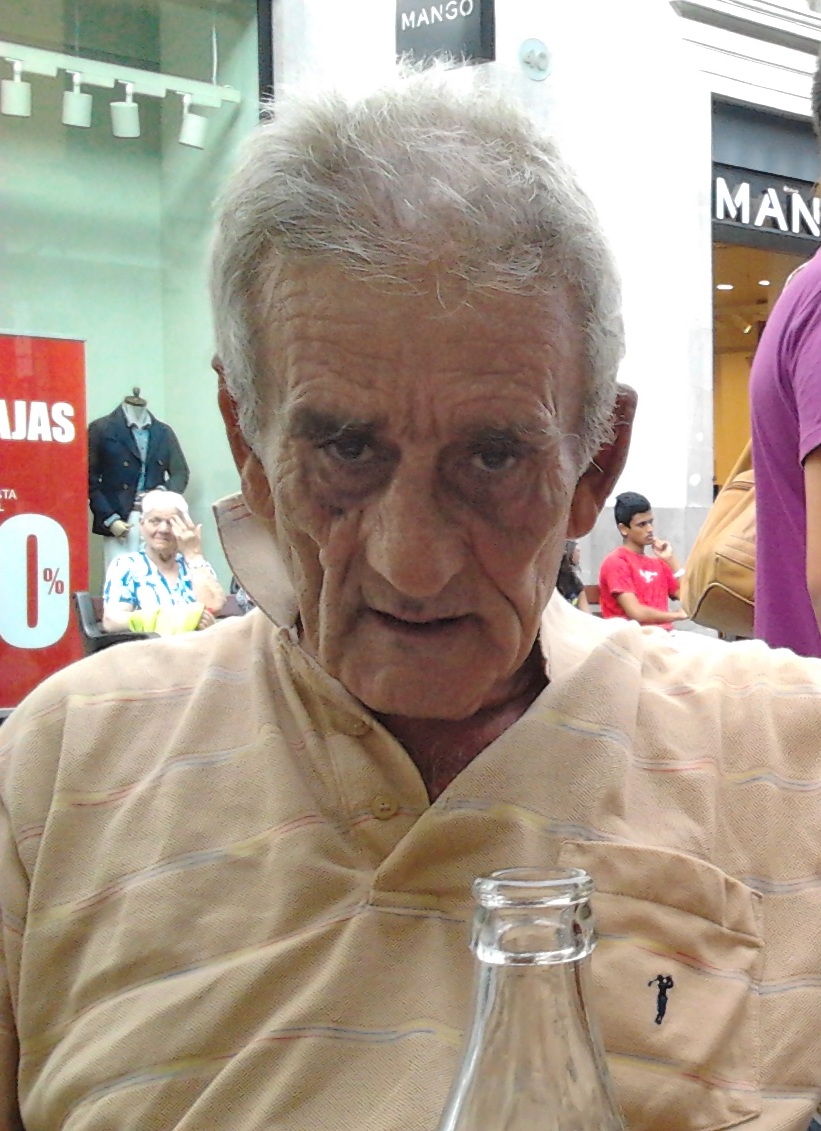
Life and family background
Panero was the son of the poet Leopoldo Panero and grew up in a household already engaged in Spain's literary life. Family tensions, the death of his father and public scrutiny shaped his reputation and the themes of his writing. From early adulthood he experienced episodes of severe mental illness and substance dependency; these struggles led to periods of hospitalization and had a clear impact on his public image and creative output. His life became intertwined with the literary myth that surrounds some European writers for whom personal experience and poetic persona overlap.
Poetic style and concerns
His collected poems are often noted for their fragmented, theatrical quality. Critics and readers point to a recurrent fascination with madness, mortality, religious imagery and erotic excess. Panero's language moves between lyric intensity, surreal collage and declamatory monologue; he made frequent use of cultural allusion, cinematic references and bitter humor. During the 1970s and afterwards his work was read in the context of the Novísimos, a loose grouping of younger poets highlighted by contemporaneous anthologies and criticism for their willingness to disrupt mid-century conventions.
Output and publication
Between 1970 and 2004 he released a sequence of poetry collections and related texts—fifteen poetic volumes are commonly cited in bibliographical sketches—along with occasional essays, interviews and collaborations. His publications display a varied chronology: early shock tactics and declamatory pieces give way in later years to more reflective, pared-down poems, though persistent motifs remain. Translation and critical interest have been intermittent; he retained a committed following among readers attracted to transgressive and destabilizing voices in modern Spanish letters.
Reception, legacy and notable facts
Panero's reputation is double-edged: admired for inventiveness and emotional force, criticized by some for self-mythologizing and sensationalism. He has been the subject of critical studies, documentary attention and ongoing debate within Spanish literary history about the relation between biography and artistic value. His life and work continue to be referenced when discussing poetic risk-taking, the representation of mental illness in literature, and the cultural shifts around Spain's late 20th-century literary scene.
Leopoldo María Panero died on 5 March 2014 in Madrid at the age of 65. Reports recorded the immediate cause as heart failure. His career remains a focal point for readers and scholars interested in the intersections of family history, public notoriety and experimental poetics.
Related articles
Author
AlegsaOnline.com Leopoldo María Panero Leandro Alegsa
URL: https://en.alegsaonline.com/art/57258
Sources
- leonoticias.com : "Murió de forma dulce, en su cama"