
Leopold von Sacher-Masoch
Austrian writer and journalist (1836–1895) known for Galician tales and the novel Venus in Furs; his name inspired the term masochism. He wrote on folklore, social reform and humanist themes.
Overview
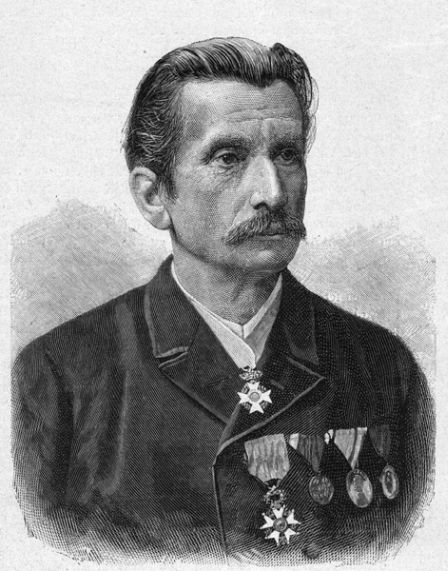
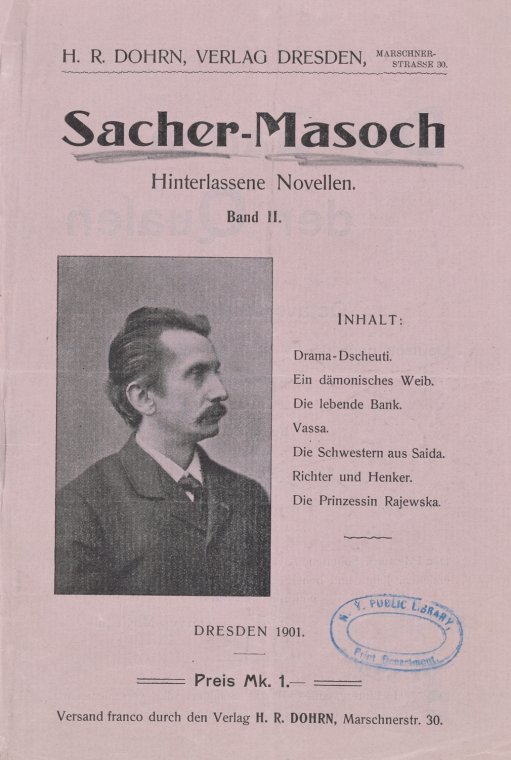
Leopold Ritter von Sacher-Masoch (27 January 1836 – 9 March 1895) was an Austrian writer and journalist best known for his evocative portrayals of Galician life and for the novel Venus in Furs. He wrote fiction, essays and letters that interwove regional folklore, romantic realism and social reflection. Late 19th‑century medical and literary discussion attached his name to a psychological term; that association has often overshadowed the wider range of his literary and civic interests.
Image gallery
4 Images
Life and career
Sacher-Masoch was born in Lemberg (then in the Austrian Empire, today Lviv) and worked as a prolific author and journalist in the multiethnic borderlands of Central Europe. He published short stories and novellas that drew on local customs, legends and the complex social fabric of Galicia. In his non-fiction he expressed sympathy for social reform, humanist ideals and cultural pluralism, addressing the tensions and possibilities of a region shaped by different languages and traditions.
Writing: themes and major works
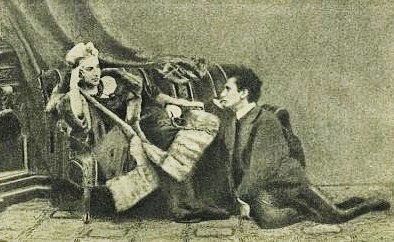
Recurring themes in his work include desire, power, identity and the ethics of interpersonal relationships. Sacher-Masoch collected and adapted folktales and local narratives, preserving elements of peasant and urban life while using them in literary form. His most widely read work, Venus in Furs, centers on erotic longing and role dynamics and has been the focus of extensive critical attention and translation. He also published cycles and collections that reflect his interest in moral questions and social conditions.
Reception and legacy
Clinical and popular uses of the term derived from his name have tended to eclipse other aspects of his career: his role as a chronicler of Galicia, a collector of folklore, and a commentator on social issues. Modern scholarship often seeks to reappraise his corpus in its historical and cultural contexts, examining how his stories reflect the complexities of a diverse region and the intellectual currents of his time.
Selected works and translations
- Venus in Furs — most widely translated and cited.
- Collections of Galician tales and novellas that blend folklore and romantic realism.
- Essays and correspondence that reveal his social and humanist concerns.
Further reading and resources
For concise biographical outlines, critical bibliographies and access to selected texts and translations, consult the following resources and introductions to his work. Many of his shorter pieces remain more accessible in German, while English readers usually encounter him through translations, anthologies and scholarly studies.
Questions and answers
Q: Who was Leopold von Sacher-Masoch?
A: Leopold von Sacher-Masoch was an Austrian writer and journalist known for his stories about Galician life.
Q: What is the origin of the word masochism?
A: The word masochism comes from Sacher-Masoch's last name.
Q: What political views did Sacher-Masoch support in his writing?
A: Sacher-Masoch supported socialist and humanist ideas in his writing, both in his stories and his letters.
Q: Have most of Sacher-Masoch's works been translated into English?
A: No, most of Sacher-Masoch's works have not been translated into English.
Q: What is the title of the only one of Sacher-Masoch's books commonly found in English?
A: The title of the only one of Sacher-Masoch's books commonly found in English is Venus in Furs.
Q: What kind of stories was Sacher-Masoch famous for writing about?
A: Sacher-Masoch was famous for writing romantic stories about Galician life.
Q: When did Sacher-Masoch live?
A: Sacher-Masoch lived from January 27, 1836, to March 9, 1895.
Related articles
Author
AlegsaOnline.com Leopold von Sacher-Masoch Leandro Alegsa
URL: https://en.alegsaonline.com/art/57254
Sources
- wumag.kiev.ua : The cultural legacy of Sacher-Masoch