
Primary source
A primary source is an original, contemporaneous record or artifact created by someone with direct knowledge. This article explains characteristics, types, history, uses, and how to evaluate them.
A primary source is an original record or item created at the time under study by someone who experienced or witnessed the events, produced without later interpretation. Primary sources can be written documents, physical objects, audio or visual recordings, or first‑hand testimony. They serve as the raw materials for research and are contrasted with interpretive works that draw on them. For a working definition, see an original document and how it differs from later accounts.
Image gallery
4 Images
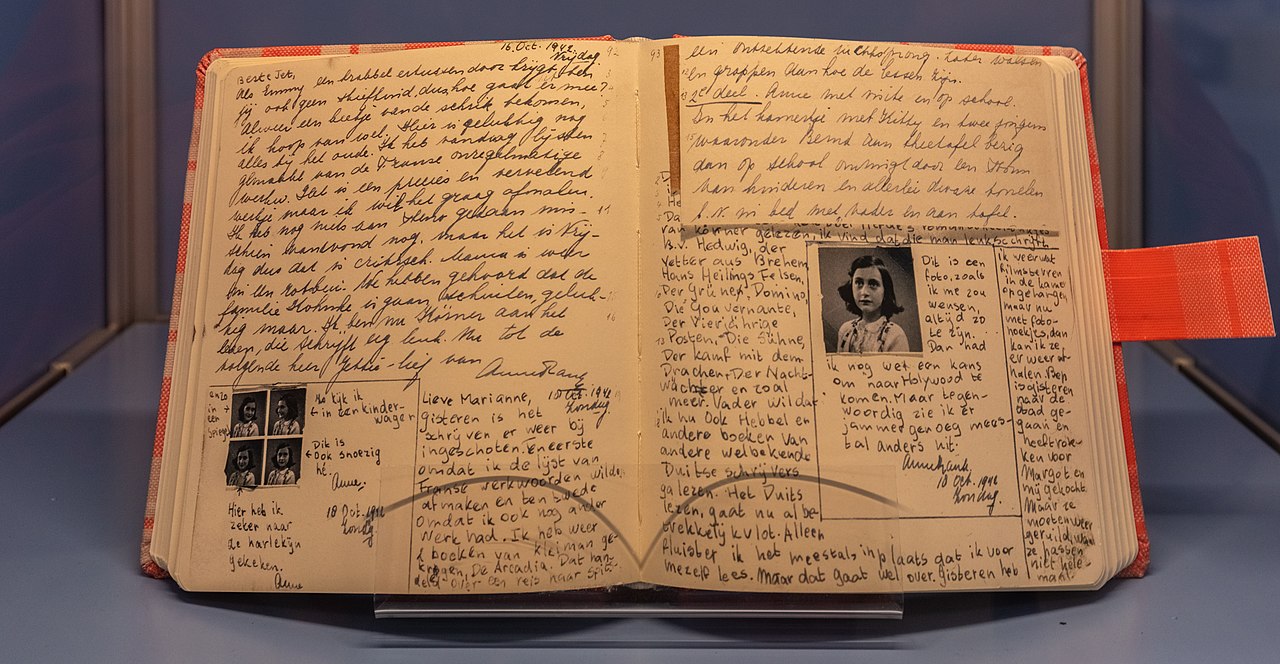
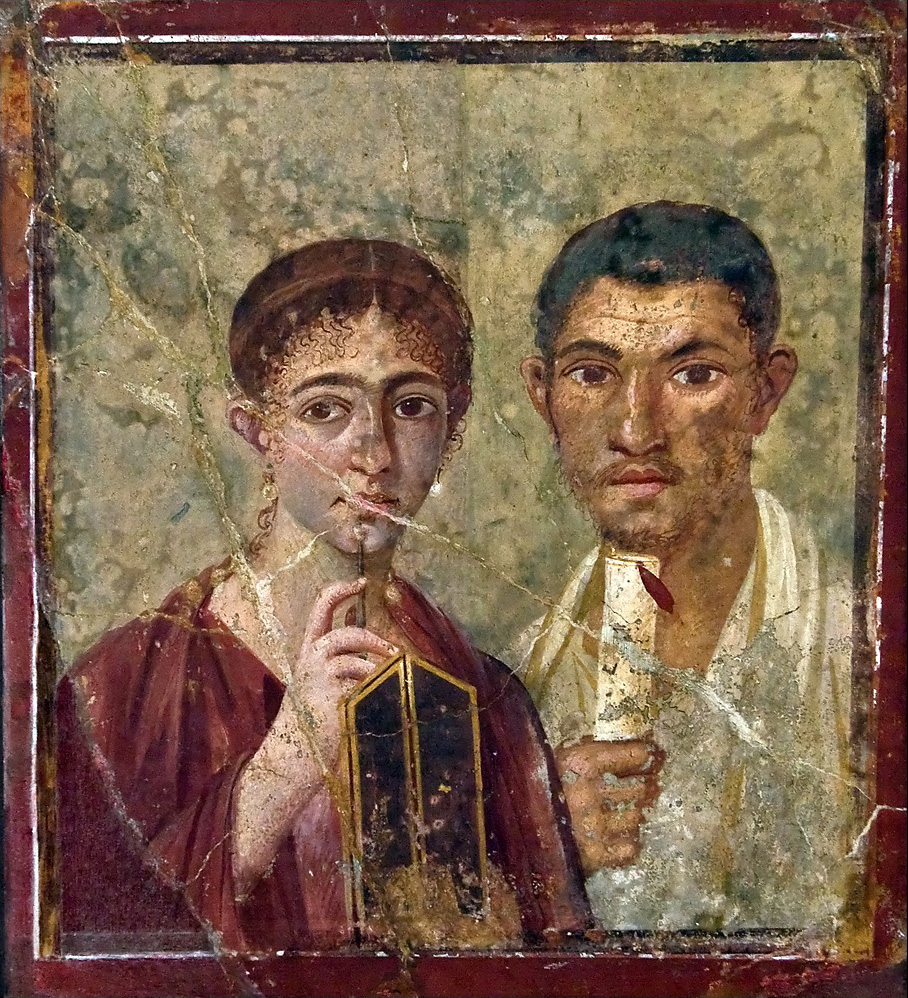

Key characteristics
Primary sources share several common properties that make them useful for evidence-based inquiry:
- Contemporaneity: created at or near the time of the event described, reducing the distance between experience and record.
- First-hand perspective: produced by an actor, witness, or direct observer rather than by someone summarizing others' accounts.
- Unfiltered content: usually presented without analysis, though it can contain opinion or bias.
- Documentary value: provides unique data about practices, language, technology, or beliefs of a period.
Because of these features, a memoir written by a participant is typically treated as a primary source, while a later scholarly history that synthesizes several memoirs would be a secondary source.
Types and examples
Primary sources take many forms depending on discipline and medium. Common categories include:
- Written records: letters, diaries, official documents, meeting minutes, legal records.
- Printed contemporary material: newspapers, pamphlets, posters, programs.
- Visual and audio: photographs, film, oral histories, radio broadcasts.
- Physical objects and artifacts: tools, clothing, works of art, archaeological remains.
- Digital-born materials: emails, websites, databases created at the time of an event.
Some items occupy a gray area—an autobiography written long after the facts may combine memory and later reflection, so researchers judge such material by criteria like proximity and intent. For how particular fields treat firsthand accounts, consult guidelines such as those used for personal narratives and memoirs.
History and archival practice
The systematic use of primary sources grew with the rise of modern historical scholarship and archival institutions that collected, preserved, and catalogued documents. Historians learned to weigh provenance, authenticity, and context when interpreting records. Archival principles help establish chains of custody and describe materials so that others can verify interpretations. Practical guidance from journalism and oral history practices also shapes how researchers gather and validate firsthand testimony; see techniques used in journalism.
Uses, evaluation, and limitations
Researchers consult primary sources to reconstruct events, test hypotheses, and uncover previously overlooked perspectives. Effective use requires critical evaluation: consider the creator's purpose, audience, possible bias, date, and preservation history. Corroboration across multiple independent sources strengthens claims. In some fields, such as legal or scientific history, the original experimental notebooks or legal filings are indispensable. For practical advice on distinguishing source types and assessing reliability, refer to methodological guides and resources like subject-specific archives and style manuals.
Digitization and online access have broadened availability but also raise new issues about authenticity, versioning, and digital preservation. Contemporary practice emphasizes transparent citation of primary materials and careful documentation of how they were obtained and interpreted. For interviews and human sources, follow ethical standards and verification practices recommended by professional organizations and journalistic codes of conduct.
In sum, primary sources are foundational to scholarly and investigative work because they offer direct connection to the past. Their value depends on careful handling, contextual knowledge, and judicious interpretation rather than on uncritical acceptance.
Related articles
Author
AlegsaOnline.com Primary source Leandro Alegsa
URL: https://en.alegsaonline.com/art/79028
Sources
- links.jstor.org : online at JSTOR
- memory.loc.gov : online 2007