
Leo J. Dulacki: U.S. Marine Corps Lieutenant General and Cold War Intelligence Officer
Biography of Lt. Gen. Leo J. Dulacki (1918–2019), his Marine Corps service across WWII, Korea and Vietnam, intelligence postings in Moscow and Helsinki, and leadership as Director of Personnel.

Leo John Dulacki (December 29, 1918 – January 4, 2019) was a senior officer of the United States Marine Corps who served for more than three decades. Born in Omaha, Nebraska, he rose to the rank of lieutenant general and took part in major American conflicts of the mid-20th century, including World War II, the Korean War and the Vietnam War. Dulacki retired after 32 years of active duty and later died at his home in Sun City West, Arizona, six days after his 100th birthday.
Image gallery
6 Images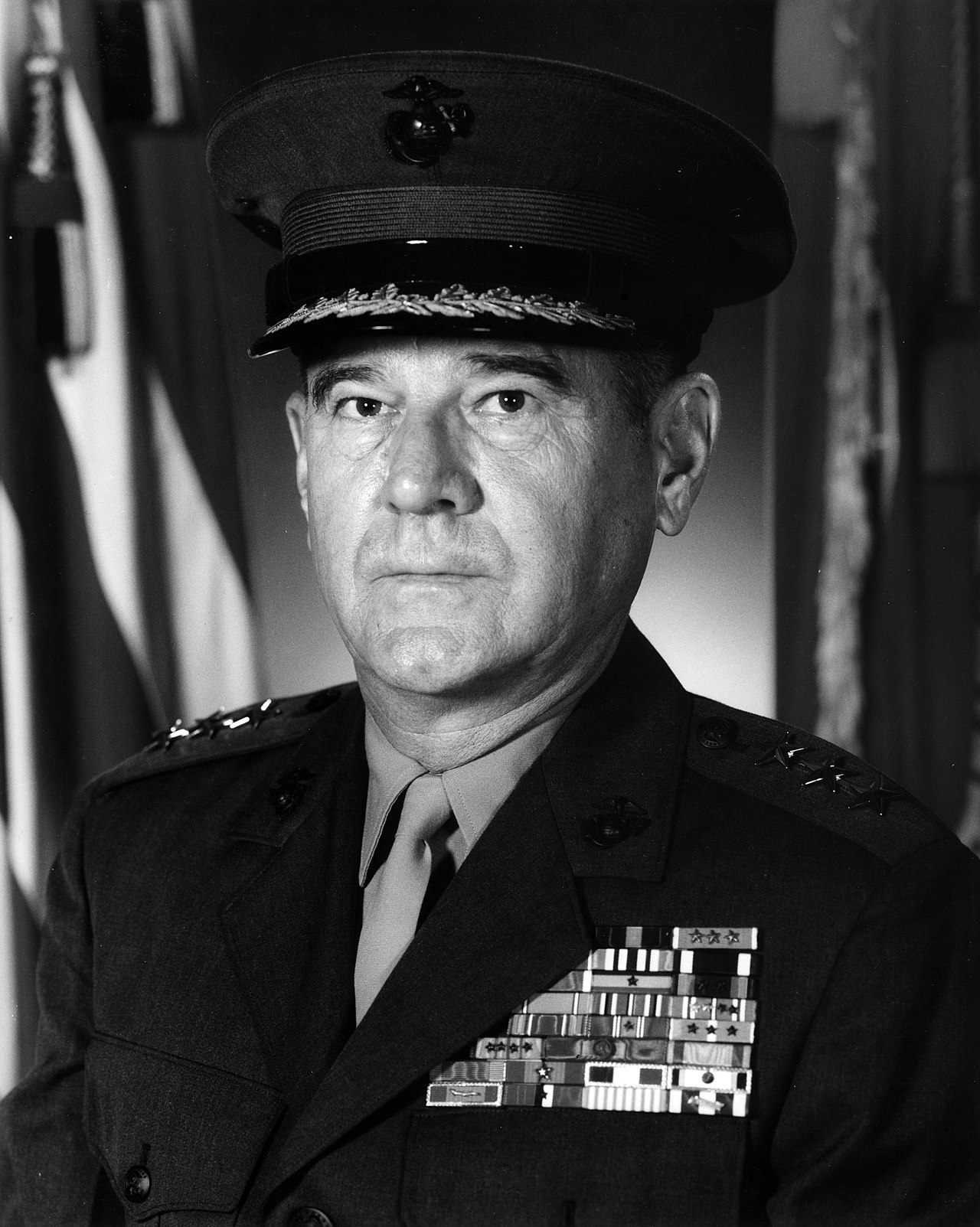


Career overview
Dulacki's career combined operational service with intelligence and personnel responsibilities. He held important intelligence assignments overseas, including postings in Moscow and Helsinki, locations that were strategically significant during the Cold War era. These assignments typically required liaison work, language and regional expertise, and coordination with other U.S. and allied agencies.
Responsibilities and leadership
In the final phase of his career he served as Director of Personnel and Deputy Chief of Staff for Manpower at Headquarters Marine Corps. That senior staff role oversees recruitment, assignment, retention and the policies that shape the Corps' human resources—matters that affect training, readiness and the long-term composition of the force. Officers in such positions translate operational needs into personnel programs, manage promotion flow, and help craft benefits and career paths for enlisted Marines and officers.
Service across three wars
Serving in World War II, Korea and Vietnam meant Dulacki witnessed substantial changes in warfare, technology and military organization. Officers whose careers span multiple conflicts often play a part in adapting doctrine and mentoring later generations, bridging combat experience with new strategic challenges.
Legacy
Dulacki's longevity and the breadth of his assignments reflect a career shaped by mid‑century global tensions and institutional leadership. As a centenarian and a three‑war veteran, his life illustrates both the individual sacrifices of long‑service military leaders and the administrative work—intelligence, manpower and personnel—that sustains a modern military service.
- Born: December 29, 1918 — Omaha, Nebraska
- Wars served: World War II, Korean War, Vietnam War
- Notable postings: intelligence assignments in Moscow and Helsinki
- Final role: Director of Personnel/Deputy Chief of Staff for Manpower, Headquarters Marine Corps
- Died: January 4, 2019 — Sun City West, Arizona
For further reference on the institutions and conflicts that framed his career, see material on the Marine Corps, Cold War intelligence activities in Moscow and allied northern posts such as Helsinki, and historical overviews of World War II, the Korean War and the Vietnam War.
Related articles
Author
AlegsaOnline.com Leo J. Dulacki: U.S. Marine Corps Lieutenant General and Cold War Intelligence Officer Leandro Alegsa
URL: https://en.alegsaonline.com/art/57186