
Leif Erikson (Norse explorer)
Leif Erikson, active around the year 1000, is credited in Norse sources with leading the first known European voyage to North America and with establishing a short-lived settlement in Vinland.
Overview
Leif Erikson (also spelled Eriksson, Erickson, or Ericksson; c. 970 – c. 1020) is remembered as a leading figure of Norse trans-Atlantic voyages. Medieval sources credit him as one of the first Europeans to reach the Americas, making landfall in what later became known to Europeans as North America. He was the son of the settler Erik the Red, and his life is usually placed within the period of Norse settlement and exploration of the North Atlantic, which included communities in Greenland and connections back to Iceland.
Image gallery
10 Images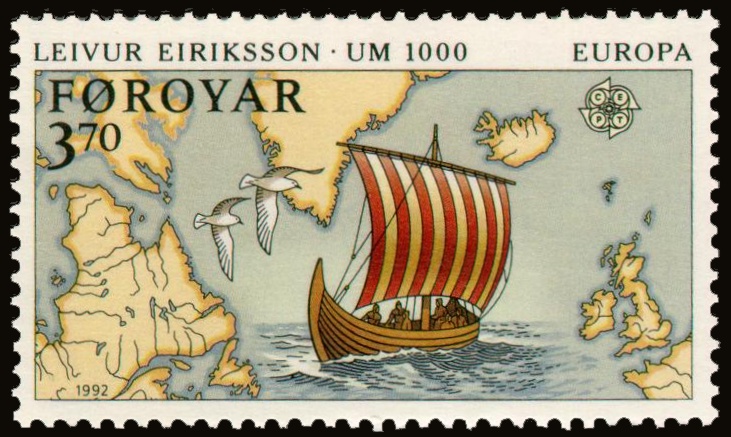
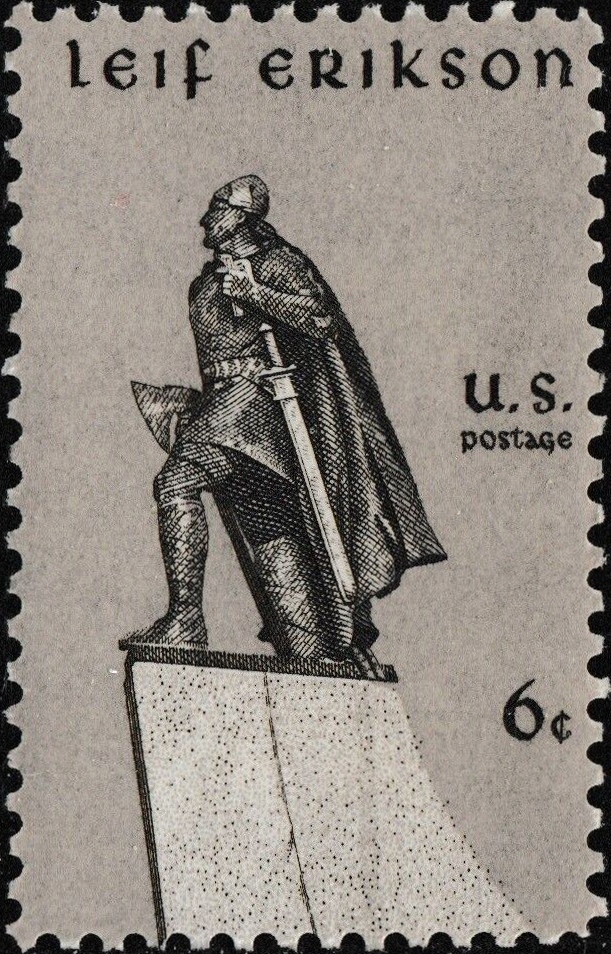


Names, dates and identity
Different spellings of Leif's name appear in later medieval texts. Chronologies are approximate: surviving accounts place his voyages around the turn of the first millennium. He is popularly known by the byname Leif the Lucky, a label that the saga tradition explains by an episode in which he rescued a member of his crew during a return voyage.
Early life and context
According to the saga accounts, Leif was probably born in Iceland and grew up in the Norse colonies established in Greenland. Those Greenlandic settlements were founded by his father and other immigrants seeking new farmland and trade opportunities; saga narratives refer to these as colonies that maintained seasonal and maritime links across the North Atlantic. Life in those communities combined farming, seafaring and contacts with other Norse networks.
Voyage to Vinland
The principal narrative sources, the Icelandic sagas, describe voyages west from Greenland to a coastal area rich in resources which the Norse called Vinland. The sagas portray Vinland as a place with timber, pasture and wild grapes; scholars debate some details of those descriptions, including precise place-names and environmental references. Archaeological fieldwork has identified a Norse site consistent with short-term occupation at L'Anse aux Meadows on the northern tip of Newfoundland in Canada, lending material support to the basic claim that Norse seafarers reached parts of the North American Atlantic coast around the medieval period.
Sources and archaeological evidence
Our understanding of Leif derives from two complementary kinds of evidence: literary material and archaeology. The saga literature records names, routes and tales of voyages but is the product of oral tradition and later medieval composition, so historians treat it with care. Independent archaeological discoveries at places such as L'Anse aux Meadows provide physical confirmation of Norse presence in the region described by the sagas, and archaeological study continues to test how closely the material remains match the saga narratives.
Religion, later life and reputation
The sagas also present Leif as involved in wider Norse affairs: they say he traveled to Norway, encountered Christian kings, and played a role in bringing the new faith back to parts of the North Atlantic. Although precise details and chronology remain debated, these themes link his voyages to broader social and religious changes in medieval Scandinavia.
Legacy and modern interest
Leif Erikson occupies a distinctive place in both scholarly history and popular memory. He is widely cited as evidence of pre-Columbian trans-Atlantic contact by Europeans and is commemorated in cultural works, local histories and observances such as Leif Erikson Day. Modern research combines critical reading of saga literature with archaeological, environmental and nautical studies to refine questions about where Norse voyagers landed, how long they stayed, and how those encounters fit into the wider pattern of medieval exploration.
Discussion and historical significance
Historians emphasize that the story of Leif Erikson illustrates the strengths and limits of combining literary sources with field research: sagas preserve names and narrative frameworks, while archaeology offers datable and tangible traces of activity. Debates continue over the scale and duration of Norse presence in the regions called Vinland, and whether sites beyond L'Anse aux Meadows represent seasonal camps, trading stops or longer occupation. For readers seeking introductory summaries, reference works on medieval Scandinavia and archaeological reports synthesize the saga accounts with material evidence and offer further reading about Norse expansion, seafaring technology and contacts across the North Atlantic.
- The claim that Leif was the first European to reach parts of the western Atlantic rests on saga testimony supported by archaeological interpretation; it does not imply continuous colonization.
- Key textual sources include the Icelandic sagas that recount voyages, place-names and personal histories.
- Primary geographic terms associated with Leif are Vinland and the Greenlandic settlements founded by Erik the Red; the best-known archaeological candidate for a Norse landing is L'Anse aux Meadows in Newfoundland, Canada.
Related articles
Author
AlegsaOnline.com Leif Erikson (Norse explorer) Leandro Alegsa
URL: https://en.alegsaonline.com/art/57039
Sources
- britannica.com : "Leif Eriksson the Lucky"