
Lee County, Iowa
County in southeastern Iowa along the Mississippi River; founded 1838, two county seats (Fort Madison and Keokuk), area about 539 sq mi and population about 36,000 in 2010.
Overview
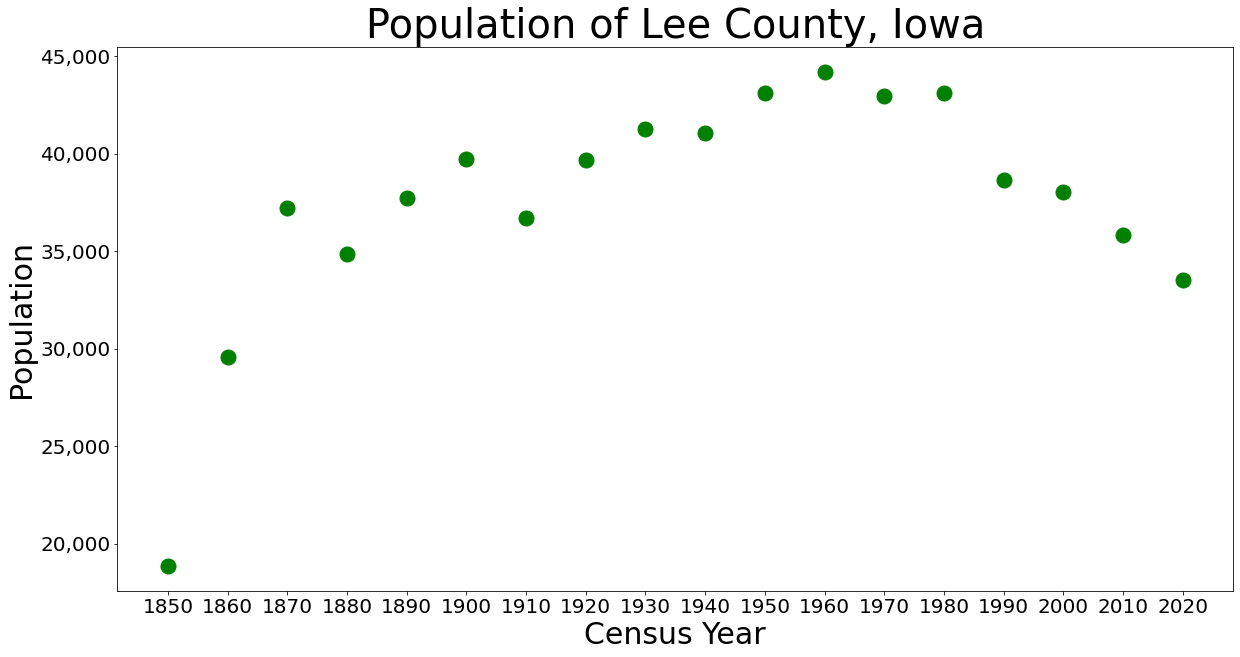
Lee County is a county in the U.S. state of Iowa. It was established in 1838 and lies on the state's southeastern edge along the Mississippi River. According to the 2010 census, the county had 35,862 residents. The land area of the county is about 539 square miles (roughly 1,400 km2), giving it a largely rural character with concentrations of people in a few river towns.
Image gallery
5 Images


Geography and administration
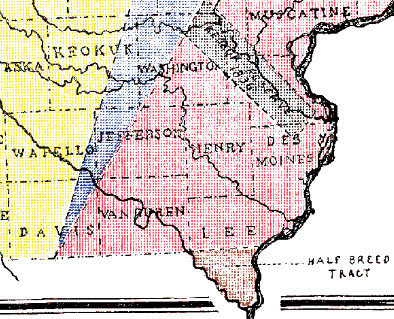
Lee County's eastern border follows the Mississippi, and the river has shaped its economy, transportation, and settlements. Unusually, the county maintains two administrative centers: its county seats are Fort Madison and Keokuk. Those river towns serve as local hubs for government, commerce, and services while smaller towns and farmland make up much of the interior.
History
The county developed in the 19th century as river traffic, military presence, and frontier settlement drove growth. Fort Madison began as an early U.S. Army outpost and later grew into a civic center; Keokuk grew where the river provided navigation and industry. Over time the river ports, rail lines, and agriculture shaped community life and the built environment.
Economy, culture and recreation
Today the county's economy combines agriculture, manufacturing, and services tied to transportation and regional markets. Recreational opportunities on the Mississippi — boating, fishing, and scenic drives — and historic sites in the towns contribute to local tourism. Community events, local museums, and riverfront parks reflect the county's ties to its riverine setting.
Communities and notable facts
- Principal towns: Fort Madison, Keokuk, Montrose, West Point, Donnellson.
- One of the relatively few U.S. counties that still maintain two county seats, a legacy of 19th-century travel and settlement patterns.
- Transportation and river access remain important to the county's identity and economy.
For more on local government, demographic trends, or visitor information, consult county resources and regional guides hosted by state and local agencies.
Related articles
Author
AlegsaOnline.com Lee County, Iowa Leandro Alegsa
URL: https://en.alegsaonline.com/art/56889