
Lend-Lease (United States wartime aid program)
US program (1941–1945) that supplied Allied nations with military material and support on credit or loan terms; it reshaped wartime logistics and had long-term political and financial effects.
Overview
The Lend-Lease program was a United States government initiative enacted in 1941 to provide military aid and other materials to countries deemed essential to U.S. defense. Adopted as Europe and Asia were engulfed by conflict, it allowed the U.S. to support allies without immediately entering combat. The law reversed earlier neutrality policies and became a cornerstone of U.S. support for the Allies during World War II World War II.
Image gallery
10 Images




Scope and typical supplies
The program covered a wide range of goods and services. Equipment flowed from American factories to foreign armed forces and civilian needs: weapons, aircraft, tanks, ships, trucks, foodstuffs, petroleum, raw materials, and industrial equipment. Recipients included major Allied powers and other partners. Goods were transferred on terms that allowed return, replacement, or compensation after the war.
- Military hardware: aircraft, tanks, artillery, small arms.
- Transport and logistics: trucks, locomotives, fuel.
- Civilian and industrial: food, medical supplies, machine tools.
Origins and development
Lend-Lease grew out of debates in the United States over how best to assist countries fighting aggression while remaining officially neutral. Earlier measures such as "cash-and-carry" trade and the 1940 destroyers-for-bases agreement set precedents. In March 1941, Congress authorized transfers at the president's discretion to nations whose defense was considered vital to the United States. Britain was an early recipient, and aid expanded after Germany invaded the Soviet Union and hostilities intensified in the Pacific.
Impact and legacy
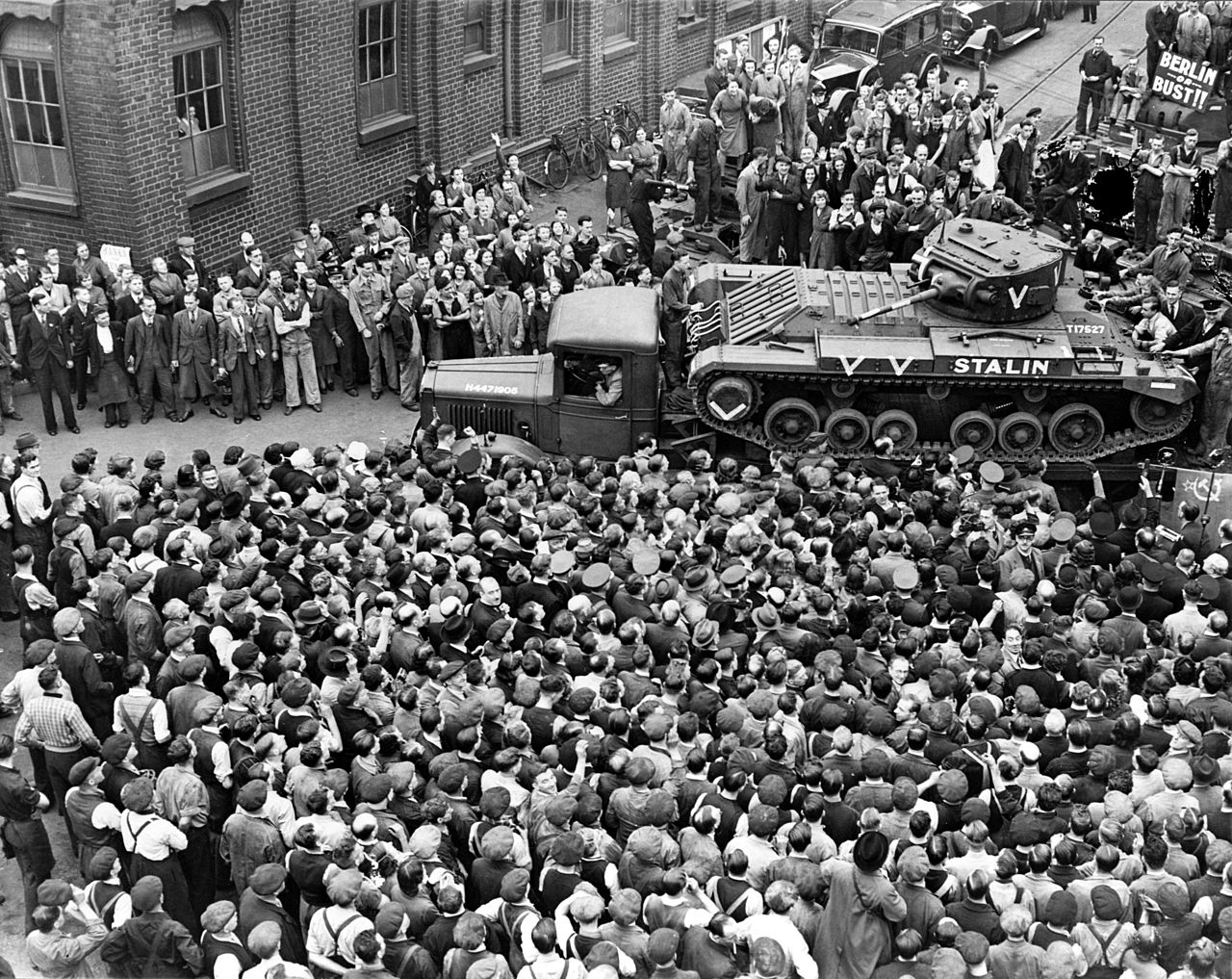
Material supplied under Lend-Lease substantially bolstered Allied capacity in 1941–1945. British survival during blockade and air campaigns, Soviet resilience on the Eastern Front, and broader Allied logistics were aided by American industrial output. Beyond wartime effects, the program accelerated U.S. industrial mobilization and strengthened political ties with recipient nations. Debates about costs, repayments, and influence persisted after the war.
Controversies, accounting and postwar settlements
The program was politically contentious at the time, provoking isolationist opposition and questions about long-term obligations. Legally, transfers were generally to be returned, replaced, or compensated if not expended in combat. Financial and property settlements continued for decades; some payments and agreements were only finalized well after 1945, with long-term arrangements settling remaining claims with former recipients such as Great Britain, France, and the Soviet Union. Lend-Lease remains a major example of large-scale, government-directed foreign aid tied closely to strategic objectives.
For concise archival summaries and primary documents, see government and historical collections that outline the legislation, transfers, and postwar accounting processes.
Related articles
Author
AlegsaOnline.com Lend-Lease (United States wartime aid program) Leandro Alegsa
URL: https://en.alegsaonline.com/art/57128