
Licchavi: ancient Iron Age republic and later Nepalese dynasty
Licchavi refers to an Iron Age clan-based republic centered on Vaishali (in present-day Bihar, India) and a later medieval dynasty that ruled the Kathmandu Valley in Nepal.
Overview
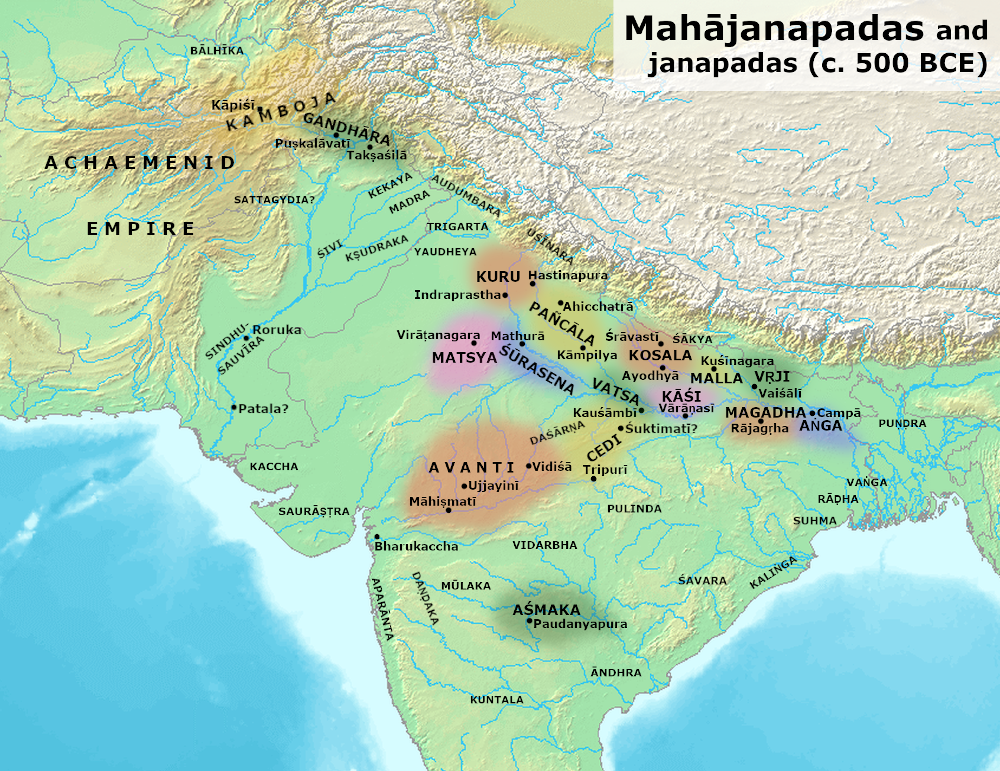
The name Licchavi (also Lichchhavi, Lichavi) denotes two related but distinct historical realities. In early first millennium BCE it identified a powerful clan and a republican polity based at Vaishali in what is now Bihar, India. This Licchavi community played a prominent part in the political landscape of northern India before and around the lifetime of Mahavira. Centuries later, from roughly the 4th to the 8th century CE, a dynasty using the same name ruled parts of the Nepal Kathmandu Valley.
Image gallery
7 Images


Political organization and society
The early Licchavis were typically described in ancient sources as a republic or clan-based confederation rather than a hereditary monarchy. Their governance relied on councils and assemblies of leading families and household heads, operating within the wider Vajji or Vrijji confederation of allied communities. Such institutions combined aristocratic leadership with collective decision-making and managed urban, religious and economic life in and around Vaishali.
History and development
Archaeological and textual evidence places the Licchavi polity in the context of Iron Age urbanization in the Ganges plains. Vaishali was an important center for trade, pilgrimage and learning; it appears repeatedly in Buddhist and Jain traditions as a site visited by spiritual teachers. Centuries after the republican period, the Licchavi name reappears in inscriptions and chronicles attached to a ruling house in the Kathmandu Valley, which helped shape early medieval Nepali culture and state formation.
Legacy and significance
- Example of early non-monarchical governance in South Asia: often cited in discussions of ancient "gana" or clan republics.
- Religious and cultural patronage: Vaishali's links to both Buddhism and Jainism make the Licchavis important in the histories of those traditions.
- Archaeological heritage: ruins, relics and inscriptions around Vaishali and Kathmandu connect later scholarship to the Licchavi name.
Distinctions and notable facts
It is important to distinguish the Iron Age Licchavis of Vaishali from the later Licchavi dynasty of Nepal. Though they share a name and may claim ancestral or cultural continuity in some traditions, the two refer to different political formations separated by many centuries and distinct regional contexts. Modern study relies on a mix of literary sources, inscriptions and excavations, and specific dates and institutional details are often cautiously reconstructed rather than precisely recorded.
For further reading and primary references see sources connected to the republic tradition, the Vajji confederacy and Nepalese epigraphy via linked materials: republic, Vajji, Bihar, India, Mahavira, Vaishali, Nepal, Kathmandu.
Questions and answers
Q: Where was the ancient republic of Licchavi located?
A: The ancient republic of Licchavi was located in the present-day Bihar state of India.
Q: What was the capital of Licchavi?
A: The capital of Licchavi was Vaishali.
Q: When did the Licchavi republic exist?
A: The Licchavi republic existed before the birth of Mahavira, who was born in 599 BC.
Q: Was there a kingdom in Nepal with the same name?
A: Yes, from about 400 to 750, there was a kingdom in Nepal in the Kathmandu Valley with the same name, Licchavi.
Q: Was the kingdom of Nepal also called Licchavi?
A: Yes, the kingdom in Nepal in the Kathmandu Valley was also called Licchavi.
Q: When did the kingdom of Nepal with the same name exist?
A: The kingdom in Nepal with the same name existed from about 400 to 750.
Q: What was the name of the present-day state in which the ancient Licchavi republic was located?
A: The present-day state in which the ancient Licchavi republic was located is Bihar state of India.
Related articles
Author
AlegsaOnline.com Licchavi: ancient Iron Age republic and later Nepalese dynasty Leandro Alegsa
URL: https://en.alegsaonline.com/art/57788
Sources
- p2.www.britannica.com : "Licchavi", Encyclopedia Britannica Online
- p2.www.britannica.com : "Vaisali", Encyclopedia Britannica Online