
Lebucquière
Lebucquière is a small rural commune in the Pas-de-Calais department of northern France, formerly part of the Nord-Pas-de-Calais region and now within Hauts-de-France.
Lebucquière is a commune in northern France; the local administrative status is that of a commune, the lowest level of territorial organization in the French Republic. It lies in the Pas-de-Calais department, historically associated with the Nord-Pas-de-Calais area and often described in regional sources as part of Nord-Pas-de-Calais prior to the creation of the larger Hauts-de-France region in 2016. The village is set within the broad agricultural landscape of northern France and is representative of small rural settlements in the region.
Image gallery
2 Images
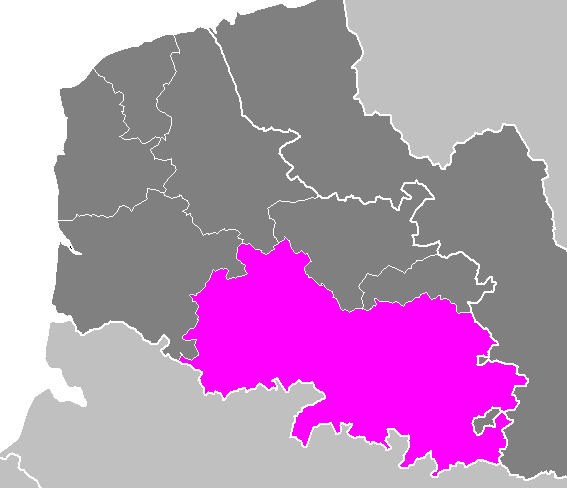
Characteristics
As with many small communes, Lebucquière typically comprises a clustered village center with a mairie (town hall), local church, and surrounding farmland. Economic activity is predominantly agricultural, with fields, hedgerows and small farms shaping the local scenery. Local governance is exercised by a mayor and municipal council under the structures of the French departmental system, linking the village to the wider Pas-de-Calais department and to departmental services for residents.
History and context
The Pas-de-Calais area has a long history of settlement, trade and conflict because of its position facing the English Channel and near major routes across northern Europe. Many communities in this part of France were affected by industrial change and by the military events of the 20th century; in particular, the surrounding countryside experienced heavy fighting in World War I and subsequent rebuilding. Lebucquière’s heritage reflects these regional historical currents, local traditions and rural lifestyles.
Importance and local life
Although small in scale, communes like Lebucquière play a central role in French local democracy and community life. They maintain local schools, communal facilities and organize civic commemorations and fêtes. The village is part of a network of settlements that connect to larger urban centers in northern France, allowing residents to access broader services while preserving a rural character.
- Administrative role: basic local government unit (commune).
- Location: in the Pas-de-Calais department (Pas-de-Calais), historically in Nord-Pas-de-Calais (regional context).
- Character: rural, agricultural landscape and village community.
For readers seeking detailed administrative or demographic data, departmental and regional resources provide official records and maps; local municipal notices and departmental websites offer the most current practical information for residents and visitors alike.
Related articles
Author
AlegsaOnline.com Lebucquière Leandro Alegsa
URL: https://en.alegsaonline.com/art/56846