
Armando (1929–2018) — Dutch painter, sculptor and writer
Armando (Herman Dirk van Dodeweerd) was a leading Dutch postwar artist whose gestural paintings, sculptures and writings explored memory, violence and the material traces of history.
Overview
Armando, born Herman Dirk van Dodeweerd on 18 September 1929 in Amsterdam, was a prominent Dutch artist and writer active from the 1950s through the early 21st century. He worked across painting, sculpture and the written word, producing expressive, often sombre works that probed history, memory and personal experience. He was one of the founders of the Nederlandse Informele Groep (Informelen) in 1958 and his career combined exhibitions, public commissions and a steady literary output.
Image gallery
2 Images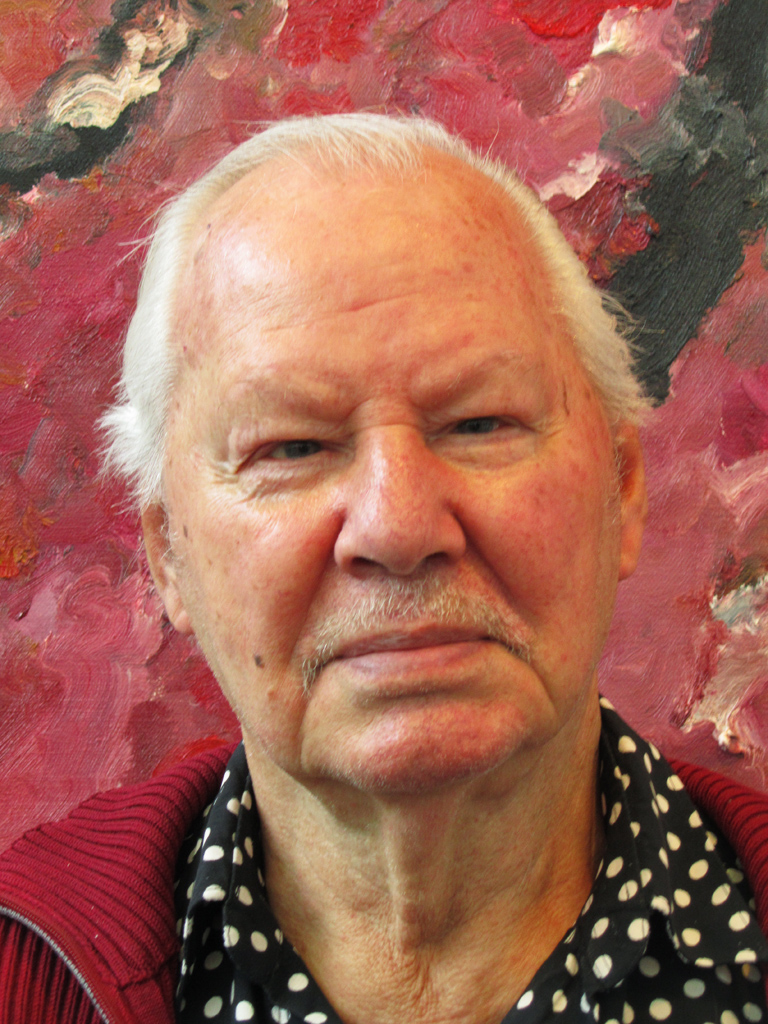

Early career and influences
Armando held his first solo exhibition at Galerie Le Canard in Amsterdam in 1954. Around the same time he began to publish poetry and prose, establishing a dual practice as visual artist and writer. The informal, gestural tendencies of postwar European movements influenced him; the experimental CoBrA circle and informalism encouraged a raw, material approach to surface and mark-making that he adapted to his own subjects.
Style, materials and recurring themes
Armando's visual work is marked by strong gestural brushwork, dense textures and an emphasis on material presence. He used thick paint, scratch marks, traces of objects and occasional assemblage to suggest ruin, violence and the residue of events. Themes of wartime experience, trauma, absence and the persistence of memory reappear across media: paintings might read as scorched fields or abstracted landscapes, while sculptural pieces often invoked ruins, thresholds and barriers.
Writings and interdisciplinary practice
Alongside his visual output Armando wrote poetry, essays and prose that reflected similar concerns—memory, moral responsibility and the individual within history. His texts were not simply illustrations of his images but part of a sustained interdisciplinary inquiry; exhibitions frequently included written fragments, titles or installations that linked verbal and visual registers. He began publishing poetry in the mid-1950s and maintained that parallel practice throughout his life (writing).
Later life, museum fire and retirement
Armando continued to exhibit widely into the 2000s. In 2007 a devastating fire at a museum destroyed much of his stored work; the loss affected the artist deeply and he announced his retirement afterwards. This event shaped how collectors and institutions remember his oeuvre, since a significant portion of earlier output no longer survives.
Legacy and death
Armando is remembered as a central figure in Dutch postwar art: a practitioner who blurred boundaries between disciplines and used material means to confront difficult historical themes. He died in Berlin on 1 July 2018 at the age of 88 (Berlin). His surviving paintings, sculptures and writings remain subjects of study for their emotional intensity and commitment to memory.
Key characteristics
- Informal, gestural painting and textured surfaces
- Interplay of visual and literary practice
- Themes of war, memory and material traces
- Use of assemblage and found-object elements in sculpture
Related articles
Author
AlegsaOnline.com Armando (1929–2018) — Dutch painter, sculptor and writer Leandro Alegsa
URL: https://en.alegsaonline.com/art/5668
Sources
- nu.nl : "Armandomuseum verliest 63 schilderijen | nu.nl/algemeen | Het laatste nieuws het eerst op"
- nos.nl : Grenzeloos veelzijdige kunstenaar Armando (88) overleden