
Armenian illuminated manuscripts: history, style, and notable works
Survey of Armenian illuminated manuscripts from the early medieval period: their materials, iconography, historical development, functions, and key examples like the Echmiadzin and Mugni Gospels.
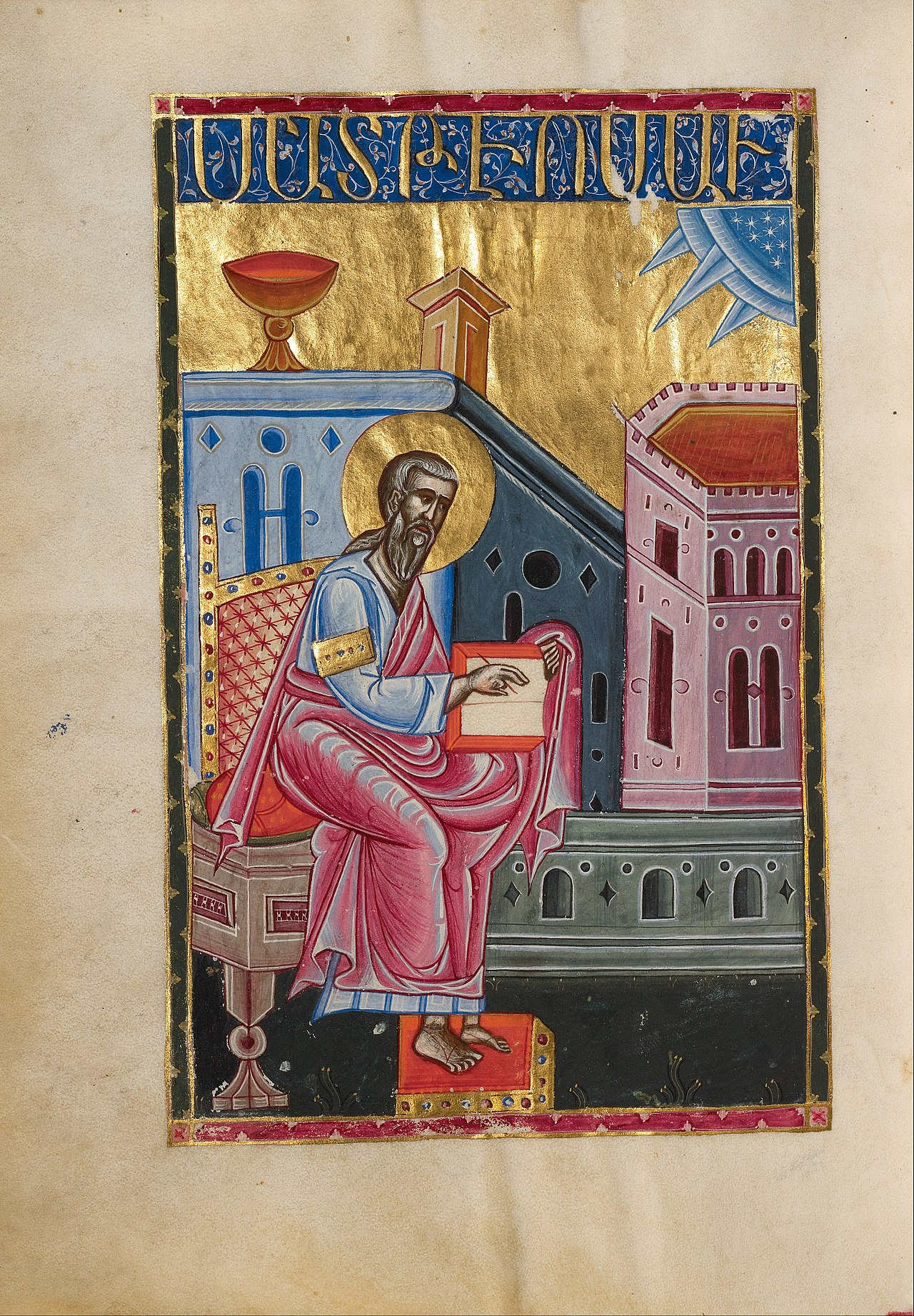
Armenian illuminated manuscripts are richly decorated books produced by Armenian scribes and artists from the early medieval period into the later Middle Ages. Created primarily for liturgical use, teaching and private devotion, these manuscripts combine painted miniatures, decorated initials, ornamental borders and carefully written text in the Armenian alphabet. Their production reflects a mix of local traditions and wider influences from Byzantine, Syriac and Caucasian art.
Image gallery
10 Images




Characteristics
Typical features include parchment or vellum pages, tempera pigments often highlighted with gold leaf, and miniatures framed within architectural or geometric borders. Illustrations tend to emphasize clear linear drawing, vivid color fields and schematic, symbolic representation of figures rather than strict naturalism. Colophons—notes by scribes—frequently provide dates, donor names and locations, making many Armenian manuscripts valuable historical documents as well as works of art.
History and development
The Armenian script, developed in the early 5th century by Mesrop Mashtots, enabled a flourishing book culture. Monastic scriptoria attached to important religious centers produced Gospel books, lectionaries, psalters and prayer rolls between roughly the 5th and 13th centuries. Over time regional schools developed distinct styles: the classical medieval centers in Greater Armenia and the later artistic activity of Cilician Armenia show stylistic evolution and new iconographic themes.
Uses and importance
Manuscripts served liturgical functions, illustrated biblical narratives for clergy and lay readers, and acted as prestigious gifts or relics. Many functioned as repositories of local history because their colophons record political events, patronage and the names of artisans. The visual programs of these books also transmit theological teachings and devotional practices.
Notable examples and legacy
- Echmiadzin Gospels — an early and celebrated Gospel book often cited for its miniature cycles and historical annotations.
- Mugni Gospels — known for elaborate illumination and ornate canon tables.
- Prayer rolls and lectionaries that preserve unique iconography and marginalia.
Surviving manuscripts are preserved in collections such as the Matenadaran and other libraries and museums worldwide. For further reading on catalogs and scholarship, see specialist resources.
Related articles
Author
AlegsaOnline.com Armenian illuminated manuscripts: history, style, and notable works Leandro Alegsa
URL: https://en.alegsaonline.com/art/5710