
Latifur Rahman — Bangladeshi jurist and head of the 2001 caretaker government
Latifur Rahman (1936–2017) was a Bangladeshi lawyer and jurist who served as the 10th Chief Justice and led the non‑partisan caretaker administration that supervised the 2001 national election.
Latifur Rahman (1 March 1936 – 6 June 2017) was a Bangladeshi lawyer and public official who occupied senior judicial office and briefly led a non‑partisan interim government. Widely remembered for his role in overseeing a transition to national elections, he combined a long legal career with a constitutional appointment to head the caretaker administration. He is sometimes described in media accounts as both a politician and a jurist because of that public service.
Image gallery
1 Image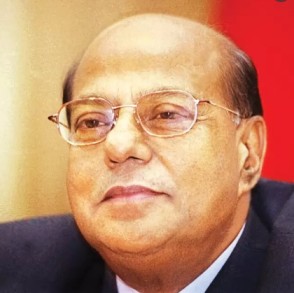
Judicial career and chief justiceship
Rahman rose through the Bangladeshi legal system and was appointed the 10th Chief Justice of Bangladesh, serving from January 2000 until February 2001. As chief justice he presided over the Supreme Court at a time when the judiciary played an active role in interpreting constitutional provisions related to governance and caretaker arrangements. His tenure as head of the judiciary placed him among the senior legal figures of his generation.
Caretaker government, 2001
Following his retirement from the bench, Rahman was called in mid‑2001 to lead a neutral, interim administration that would prepare the country for a parliamentary election. He served from 15 July 2001 to 10 October 2001 as the head of the caretaker government—officially the chief adviser in Bangladesh’s constitutional practice—tasked with administering state affairs until a new elected government took office. His administration oversaw the arrangements for the 2001 national election.
Key positions and dates
- Born: 1 March 1936.
- Chief Justice of Bangladesh: January 2000 – February 2001.
- Head of caretaker government (Chief Adviser / acting head): 15 July 2001 – 10 October 2001.
- Died: 6 June 2017, in Dhaka, aged 81.
Significance and legacy
Rahman’s public role is principally associated with the constitutional mechanism of caretaker governments in Bangladesh, intended to provide a neutral interim executive to organize free and fair elections. Commentators and historians note that such appointments draw on senior, non‑partisan figures—often former chief justices or statesmen—because of the need for perceived impartiality. Rahman’s short tenure as interim head is frequently cited in discussions of that period’s electoral politics and the role of the judiciary in public life.
Notable facts and distinctions
Beyond the dates of office, Rahman is remembered for the rarity of jurists moving from the bench to temporary executive leadership under the caretaker model. His career illustrates how constitutional arrangements can place senior legal figures in charge of an interim government to ensure continuity and neutrality. He maintained a public reputation as a legal professional until his death in 2017.
For further reading on the judicial and caretaker systems in Bangladesh, see sources linked here: overview of caretaker governance and judicial histories at other reference sites. Additional details on his life and rulings are available through archival legal records and contemporary news reporting.
Related articles
Author
AlegsaOnline.com Latifur Rahman — Bangladeshi jurist and head of the 2001 caretaker government Leandro Alegsa
URL: https://en.alegsaonline.com/art/56204
Sources
- bdnews24.com : "Former chief adviser Justice Latifur Rahman dies at 81"
- thedailystar.net : "Justice Latifur passes away"