
Chief Justice of Bangladesh
The Chief Justice of Bangladesh is the head of the country's Supreme Court, leading the judiciary, presiding over important benches, and performing constitutional and administrative duties under the constitution.
Overview
The Chief Justice of Bangladesh is the highest judicial officer in the country and the principal head of the Supreme Court. As the leading member of the judiciary, the Chief Justice performs both judicial and administrative functions, shaping the court's work, ensuring the rule of law, and representing the justice system in official capacities. The office is established and regulated by the national constitution and laws governing the judiciary.
Image gallery
10 Images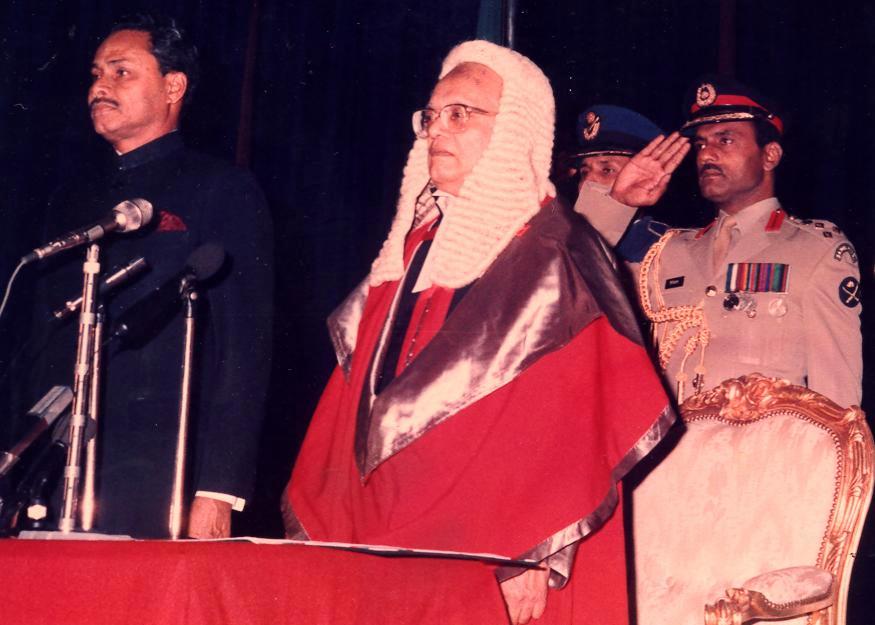


Role and responsibilities
The Chief Justice's duties combine courtroom leadership with institutional management. Typical responsibilities include:
- Presiding over benches: Leading full or constitutional benches in cases of wide public importance and sitting on panels that decide appeals and constitutional questions.
- Case allocation: Assigning cases to other judges and organizing benches to manage the court's docket efficiently.
- Administrative leadership: Overseeing court administration, judicial policy, and the internal functioning of the Supreme Court.
- Constitutional duties: Performing formal roles such as administering oaths for senior officials and participating in matters arising under the constitution.
- Representation: Acting as the public face of the judiciary domestically and in international judicial forums.
Appointment, tenure and removal
The Chief Justice is appointed by the President of Bangladesh (presidential appointment) in accordance with constitutional provisions. The person chosen is typically a senior member of the Supreme Court bench, though formal power of appointment rests with the President. Tenure is governed by constitutional terms, including a prescribed retirement rule and protections intended to uphold judicial independence. Removal from office follows a constitutional process that can involve legislative or judicial procedures when allegations of misconduct or incapacity arise.
History and context
The office reflects Bangladesh's common law heritage and the structure of higher courts that evolved during British colonial rule and continued after independence in 1971. Over time, successive Chief Justices have steered jurisprudence on constitutional interpretation, human rights, administrative law and public accountability. The position is central in maintaining the separation of powers among the branches of government.
Significance and notable features
As chief judicial officer, the Chief Justice influences legal doctrine and institutional culture. The holder of the office often guides how the judiciary responds to political, social and economic challenges, and may play a key role in landmark rulings. For general information about the court and its judges, see material on judges of the Supreme Court.
Related articles
Author
AlegsaOnline.com Chief Justice of Bangladesh Leandro Alegsa
URL: https://en.alegsaonline.com/art/19592
Sources
- banglapedia.org : Chief Justice