
Lau Nai-keung — Hong Kong academic, businessman and political adviser (1947–2018)
Profile of Lau Nai-keung, a Hong Kong academic, businessman and political adviser who served on the Basic Law Consultative Committee and the Chinese People's Political Consultative Conference.

Lau Nai-keung (劉迺強, 1947–21 November 2018) was a Hong Kong (Hong Kong) academic, businessman and political adviser. Over several decades he combined roles in the private sector, academic research and public affairs. He is best known for his participation in bodies that shaped Hong Kong’s post‑1997 constitutional arrangements and for his commentary on relations between Hong Kong and the mainland.
Image gallery
2 Images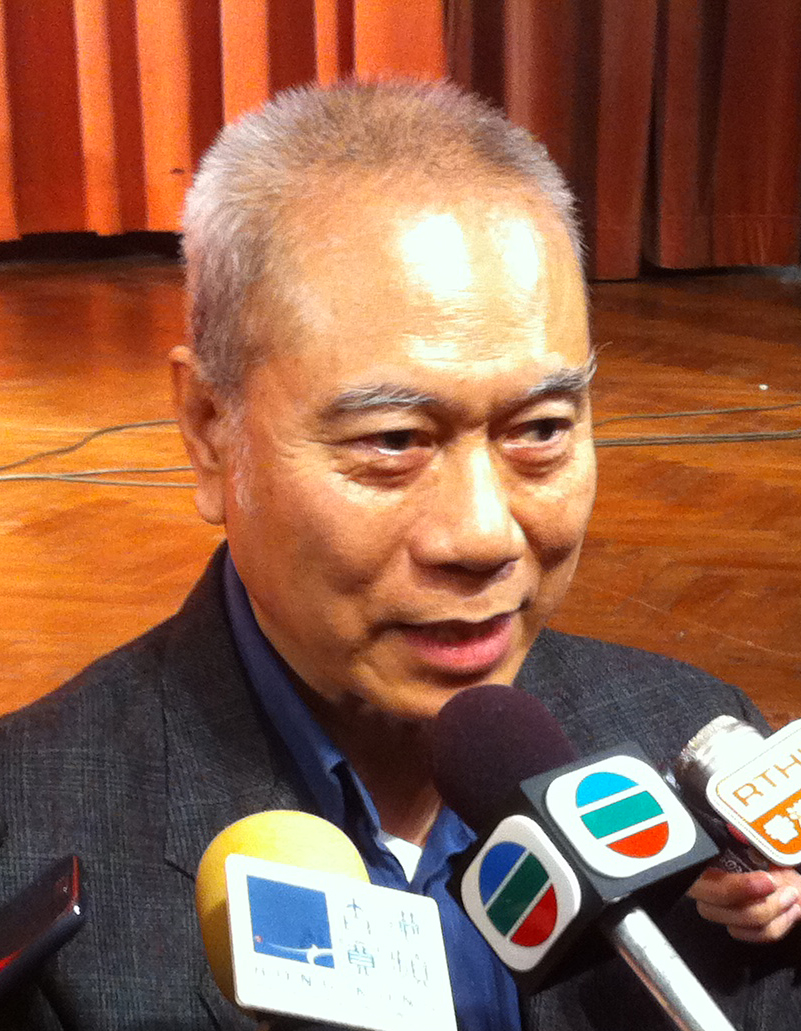

Career and roles
Lau held a mix of corporate and public appointments. He was chairman of Long View Cultural Services Limited and served as a research fellow at the Hong Kong Polytechnic University (PolyU). In the public sphere he was named to advisory and consultative bodies that advised both Hong Kong and mainland authorities. His memberships included:
- Basic Law Consultative Committee — contributing to discussions around Hong Kong’s mini‑constitution
- Commission on Strategic Development — a policy advisory group in Hong Kong
- Chinese People’s Political Consultative Conference (CPPCC) — national advisory body, where he served from 1987 to 2007
He was also a recipient of the Silver Bauhinia Star (SBS), a Hong Kong honour awarded for distinguished public service. Lau combined institutional roles with public commentary and research, acting as a conduit between different sectors of Hong Kong society and mainland policy makers.
Context and significance
Active during the years surrounding the handover of Hong Kong to China in 1997, Lau participated in debates and consultations that influenced the territory’s Basic Law and post‑handover governance arrangements. His work exemplified a category of Hong Kong figures who engaged both with business interests and with political advisory structures in Beijing. Observers often described him as a pro‑Beijing intellectual and adviser; his long CPPCC membership underlined sustained links with mainland institutions.
Beyond formal posts, Lau contributed to public discussion through writing and lectures and took on roles in cultural and research organisations. His combination of business leadership and policy advising reflected a wider pattern in Hong Kong where civic, commercial and political networks overlap.
Lau died on 21 November 2018 in Happy Valley, Hong Kong (Happy Valley) from colorectal cancer (colorectal cancer), aged 71. His death was noted in Hong Kong public life, reflecting his long involvement in both local affairs and mainland‑Hong Kong relations.
Notable facts: he served twenty years in the CPPCC (1987–2007), participated in the Basic Law consultations that framed Hong Kong’s constitutional transition, and combined scholarly work at PolyU with private sector leadership. His career illustrates the intersections of scholarship, business and political advising in Hong Kong’s modern history.
Related articles
Author
AlegsaOnline.com Lau Nai-keung — Hong Kong academic, businessman and political adviser (1947–2018) Leandro Alegsa
URL: https://en.alegsaonline.com/art/56243
Sources
- protocol.gov.hk : "HKSAR PRECEDENCE LIST"
- english.people.com.cn : english.people.com.cn/200703/01/eng20070301_353252.html
- scmp.com : Veteran Hong Kong politician Lau Nai-keung dies, aged 71, after decade-long battle with cancer