
Larry Tesler (1945–2020): Pioneer of modeless computing and copy‑and‑paste
Computer scientist Larry Tesler helped shape modern graphical user interfaces, co‑developed early GUI word processing and popularized copy/cut/paste and modeless interaction at Xerox PARC, Apple and beyond.
Overview
Lawrence Gordon Tesler (April 24, 1945 – February 16, 2020) was an American computer scientist whose work focused on human–computer interaction. He contributed to several foundational projects that helped transform personal computing from command‑line systems into the graphical, direct‑manipulation interfaces in widespread use today. Tesler worked at research and product organizations including Apple, Xerox PARC, Yahoo! and Amazon during a career that spanned decades.
Image gallery
3 Images

Key contributions and characteristics
Tesler is widely associated with two practical ideas that influenced user interface design worldwide. First, he was integral to bringing the notion of cut, copy and paste into mainstream graphical environments, which made editing and reorganizing text, files and objects simpler and more intuitive. Second, he championed the concept of modeless software — designing interfaces that avoid forcing users into different modes where identical actions produce different effects. Modelessness reduces errors and cognitive load by making software behavior more predictable.
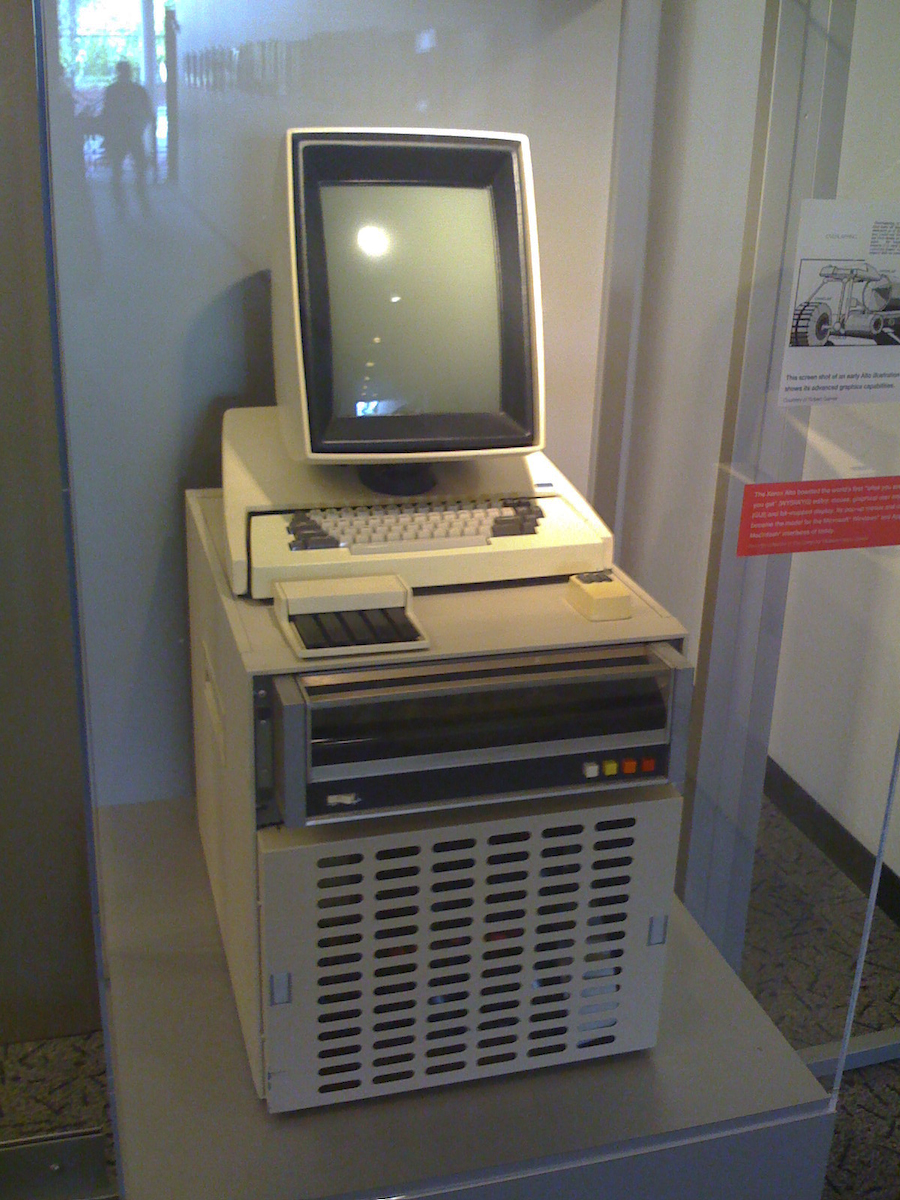
At Xerox PARC he worked on projects that demonstrated how graphical user interfaces could support everyday tasks. His work included contributions to Smalltalk, an early and influential dynamic object‑oriented programming environment, and to Gypsy, an early word processor with a graphical interface for the Alto. Gypsy showed how direct manipulation and clipboard operations could improve text editing workflows and inspired later commercial products.
Career highlights and examples
- Research at Xerox PARC: part of a community that developed windows, mice, the Ethernet and GUI concepts used by later personal computers.
- Work at Apple: helped translate research ideas into consumer products, influencing the Lisa and Macintosh-era interfaces and promoting usable, modeless interaction patterns.
- Later roles: continued to influence web and cloud companies, bringing user‑centered thinking to engineering teams at places like Yahoo! and Amazon.
History and context
Tesler’s career must be seen in the context of a broader movement in computing during the 1970s and 1980s toward graphical user interfaces and direct manipulation. Xerox PARC was a crucible for many ideas that later appeared in commercial systems; Tesler and his colleagues experimented with how users could interact with objects on screen using a mouse, windows and clipboards. These experiments fed into commercial efforts that sought to make computing accessible to non‑specialists.
Legacy and notable facts
Beyond specific features such as copy and paste or Gypsy’s editing model, Tesler is remembered for promoting the principle that software should be designed around human tasks and expectations. His advocacy for avoiding unnecessary modes remains a guiding rule for user interface designers today. Born in the Bronx, New York, Tesler died in Portola Valley, California, on February 16, 2020, after complications from a bicycle accident. His work continues to appear implicitly in everyday actions — selecting, copying and pasting — that many users now take for granted.
For further reading on the technologies and environments that shaped Tesler’s work see materials on Smalltalk, Gypsy and the history of graphical user interfaces, and explore primary sources and retrospectives that document PARC, early Apple interface design and post‑PARC developments. Additional context and histories are available through archival and technical summaries produced by researchers and institutions studying the early personal computing era. Smalltalk and Gypsy remain commonly referenced examples in user‑interface education and practice.
References and organizational records from Tesler’s employers and collaborators are useful for those who want more detailed accounts of specific projects and timelines; many accounts highlight how incremental design decisions, such as making text operations modeless and discoverable, had outsized effects on usability and adoption. See also discussions of software design principles and on‑device interaction patterns in HCI literature.
Additional resources and biographies can be found in retrospective interviews and obituaries that document his influence on modern computing and the practical benefits his ideas delivered to users and developers alike. Biography summaries and oral histories provide personal perspective, while technical analyses examine the prototypes and systems he helped shape.
Related articles
Author
AlegsaOnline.com Larry Tesler (1945–2020): Pioneer of modeless computing and copy‑and‑paste Leandro Alegsa
URL: https://en.alegsaonline.com/art/56084