
Lightning rod: design, function, history, and uses
A lightning rod is a conductive metal rod used to protect structures by attracting lightning and safely directing its current to ground. This article explains design, history, operation, and key considerations.
Overview
A lightning rod, also called a lightning conductor, is a pointed or rounded conductive element installed at elevated parts of buildings and structures to intercept lightning strikes and provide a controlled path for the discharge to reach ground. A lightning protection system consists of one or more rods, conductors that carry current to earth, and grounding electrodes that dissipate energy into the soil. The main goal is to reduce the risk of fire, structural damage, and injury by preventing uncontrolled arcing or side flashes.
Image gallery
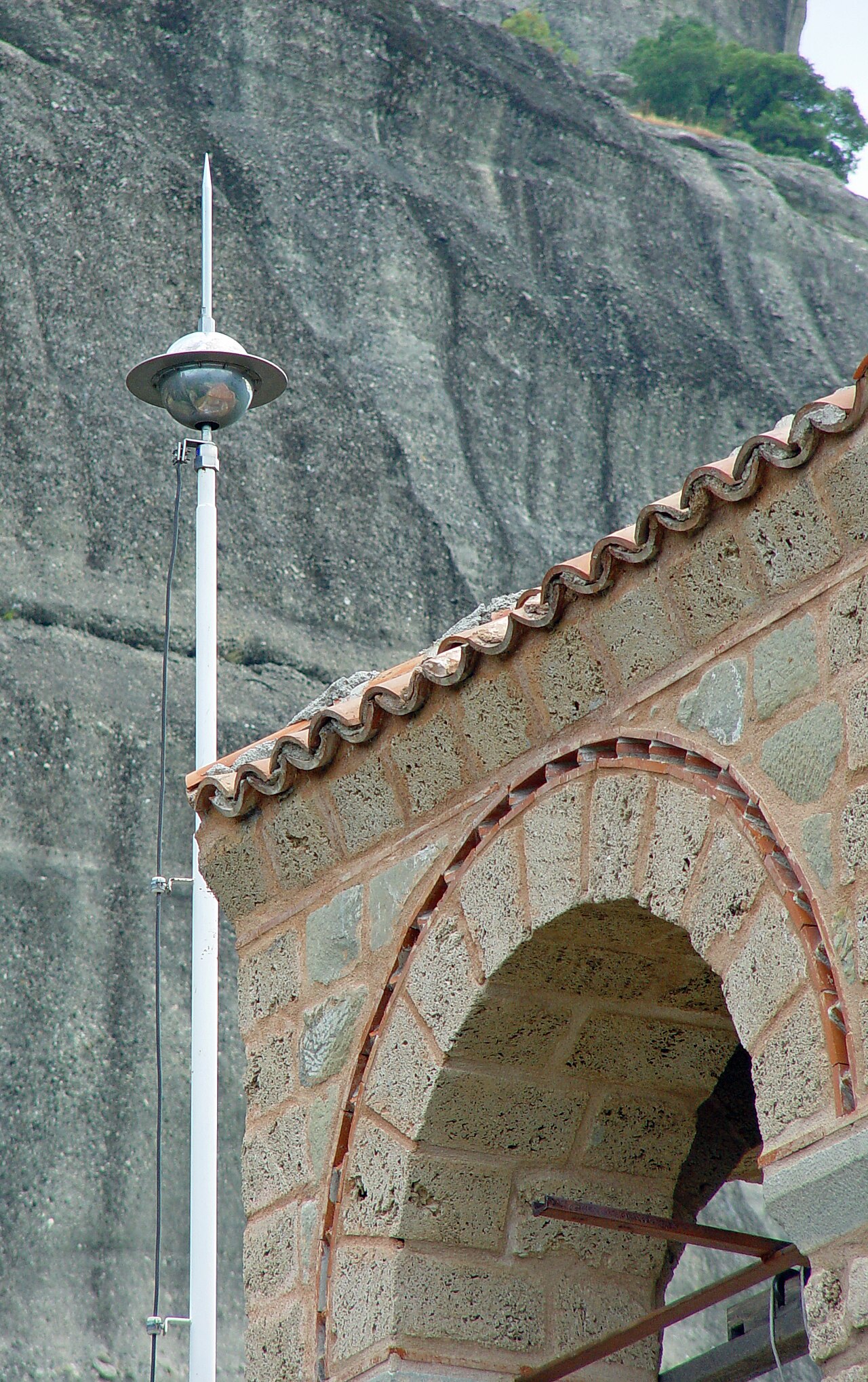
8 Images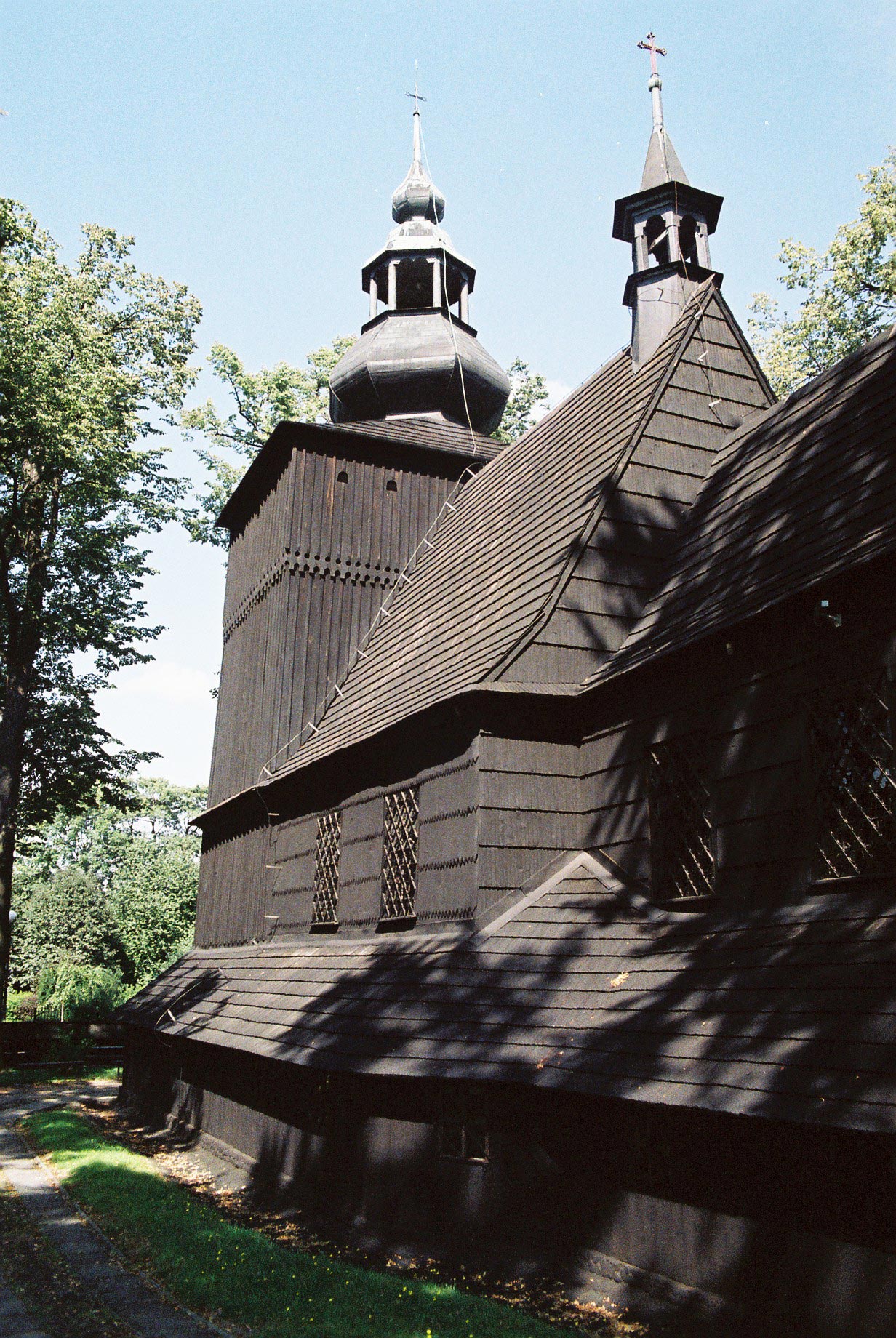



Design and components
Typical systems use robust materials such as copper or aluminum for corrosion resistance and conductivity. Key components include:
- Air terminal: the exposed element mounted at high points (often called a metal rod).
- Down conductor: heavy cable or strip that conducts lightning current from the air terminal toward the ground; sometimes the roof structure or building steel is used.
- Grounding system: electrodes or plates buried or driven into the soil to dissipate current safely (ground connection).
- Bonding: connections that equalize potential between metallic services (pipes, ducts, antennas) to prevent dangerous side flashes.
History and development
The concept of protecting structures by providing a preferred strike point dates to the 18th century. Experimental work by scientists, most famously Benjamin Franklin, showed that a well‑connected conductor could intercept discharges from storm clouds and route them safely to earth. Early designs evolved into modern standards for spacing, conductor sizing, and grounding practice that are used around the world.
How it works and typical uses
When a thundercloud induces a strong electric field, the air terminal concentrates electric field lines and can encourage the formation of an upward leader that meets a downward leader from the cloud. If the rod is struck, the current follows the down conductor to the grounding electrodes, where the energy is dissipated. Lightning rods protect houses, churches, industrial plants, towers, and other exposed installations. They are widely used on historical buildings, communication masts, and fuel storage facilities where the consequences of a strike would be severe.
Installation considerations and notable facts
Proper installation requires planning for conductor routing, secure mechanical attachment, and low-resistance grounding. Bonding nearby metallic parts reduces the risk of hazardous side flashes. Different standards specify minimum conductor sizes, separation from combustible materials, and inspection intervals. Modern approaches may include early streamer emission devices or surge protection devices to protect electrical systems, though these technologies and their effectiveness are discussed separately by standards bodies.
Further reading
For technical guidance consult authoritative codes and manufacturers. To learn more about components such as the air terminal and the role of conductors see materials on lightning protection and grounding. Example topics: installation best practices, maintenance, and comparison of system types including conventional rods and alternative early‑streamer devices (more on protection). For grounding specifics see ground connection sources and grounding standards.
Questions and answers
Q: What is a lightning rod?
A: A lightning rod is an iron rod used to make lightning strike it, rather than strike something else.
Q: What is the purpose of a lightning rod?
A: The purpose of a lightning rod is to protect buildings and structures by providing a path for lightning to strike safely away from them.
Q: What is a lightning protection system?
A: A lightning protection system is a system made of many lightning rods placed at high points of buildings and structures, with paths that the electricity can take from the rooftop to the ground.
Q: Why are lightning rods usually placed at high points of buildings and structures?
A: Lightning rods are usually placed at high points of buildings and structures because lightning tends to strike the highest point in the area.
Q: When was the lightning rod invented?
A: The lightning rod was invented in the year 1749.
Q: When was the lightning rod later improved?
A: The lightning rod was later improved in the year 1752.
Q: What is the benefit of having a lightning protection system in place?
A: The benefit of having a lightning protection system in place is that it helps prevent damage to buildings and structures from lightning strikes, which can be dangerous and destructive.
Related articles
Author
AlegsaOnline.com Lightning rod: design, function, history, and uses Leandro Alegsa
URL: https://en.alegsaonline.com/art/57956
Sources
- evolvefish.com : Franklin's Unholy Lightning Rod
- antiquebottles.com : Antique Lightning Rod Ball Hall of Fame