
LaMoure County, North Dakota
LaMoure County is a rural county in southeastern North Dakota with county seat LaMoure. It had 4,139 residents at the 2010 census; agriculture and small communities shape its economy and character.
Overview
LaMoure County lies in the central-southern part of the state of North Dakota. The county seat is LaMoure, a small town that serves as the administrative and service center for the surrounding rural area. According to the 2010 census, the county had 4,139 residents, reflecting its character as a low-density, agriculturally focused region within the state.
Image gallery
2 Images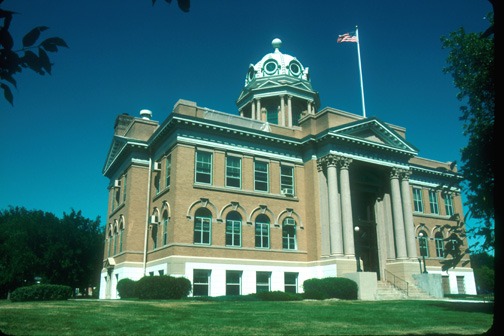

Geography and landscape
The county sits within the Great Plains and is dominated by rolling farmland, grasslands and patches of wetlands. Soils and climate support dryland and irrigated agriculture typical of the region. Transportation is provided by a network of state highways and local roads that connect farmsteads and small towns to regional markets.
History and name
LaMoure County was settled during the late 19th century as European-American farmers and ranchers moved westward into the Dakota Territory. The county is named for Judson LaMoure, a prominent territorial legislator who was influential in early regional politics. Rail lines and agricultural development shaped the county's early growth and the pattern of small towns that remain today.
Economy, communities and land use
Agriculture is the dominant economic activity. Typical enterprises include grain farming and livestock production, supported by local agribusiness services and co-ops. The county contains a handful of incorporated towns and numerous unincorporated communities and townships; the county seat provides government services, schools and health care for the area.
- Major land uses: grain crops, oilseed and forage production, pasture and livestock.
- Local services: municipal government, K–12 schools, small businesses and agricultural suppliers.
Government, demographics and recreation
Like other North Dakota counties, LaMoure County is governed by an elected board of commissioners and maintains county facilities such as a courthouse and public records. Demographic patterns reflect an aging and dispersed rural population common to the region, with periodic efforts to diversify the local economy and sustain community institutions. Outdoor recreation—hunting, fishing, and seasonal festivals—also contributes to local life and attracts visitors from surrounding areas.
For more information on administrative details, population updates and local services, consult county resources and state data portals linked by the county and state agencies.
Related articles
Author
AlegsaOnline.com LaMoure County, North Dakota Leandro Alegsa
URL: https://en.alegsaonline.com/art/55720