
Lampang province, Northern Thailand
Lampang is a northern Thai province known for Lanna temples, teak and ceramic heritage, horse-drawn carriages, and the Thai Elephant Conservation Center near the Wang River.
Overview
Lampang (Thai: ลำปาง) is a province in northern Thailand (Thailand). Centered on the city of Lampang, the province lies in a river valley framed by forested hills. It combines agricultural plains with mountainous countryside and long-standing cultural ties to the historic Lanna region.
Image gallery
10 Images





Characteristics and landscape
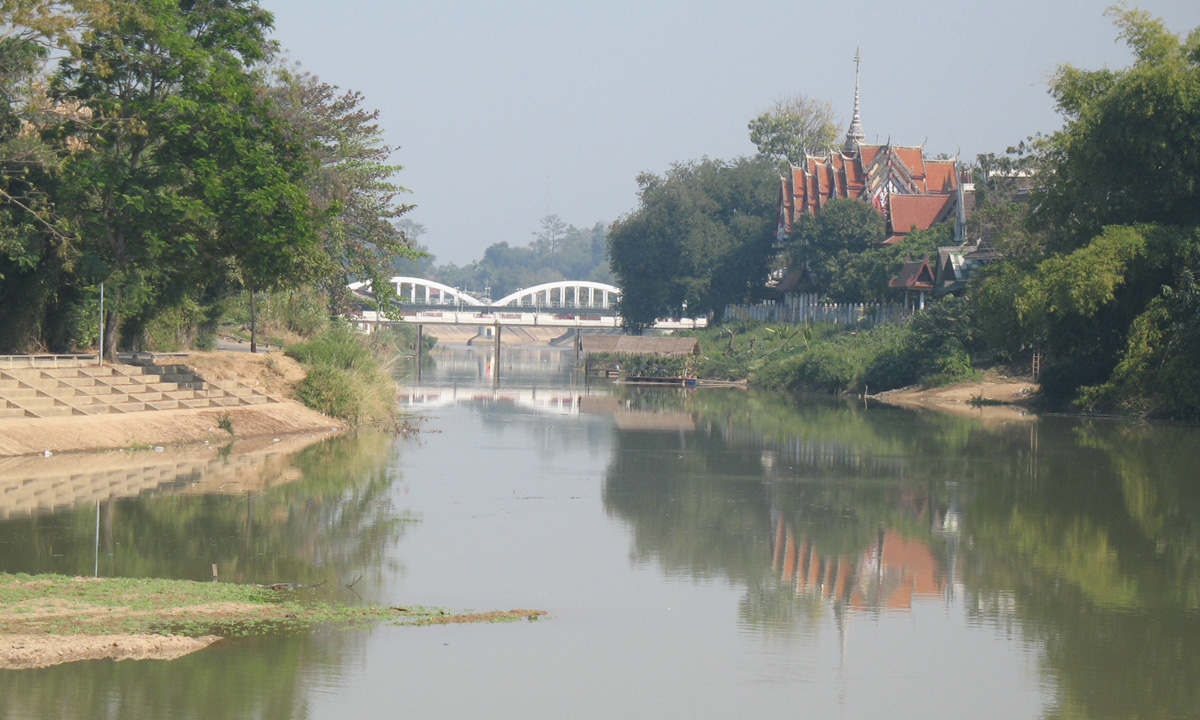
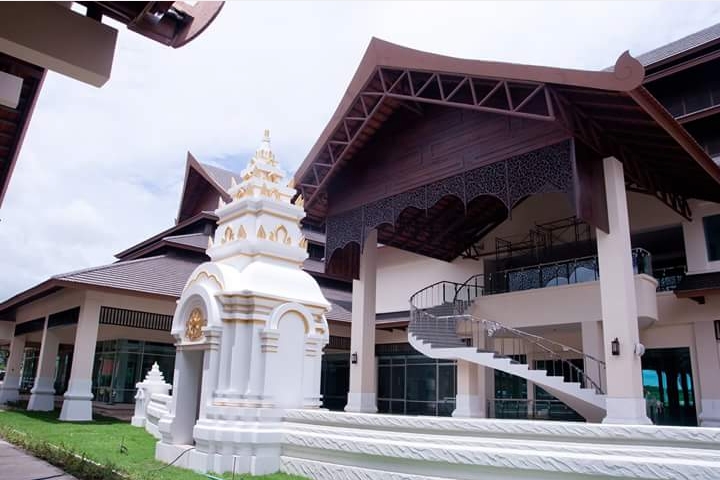
The province is drained by the Wang River and features mixed terrain: low alluvial plains used for rice and other crops, and upland areas with teak and mixed forest. Towns and villages display traditional northern Thai (Lanna) architecture, with many Buddhist temples as prominent landmarks.
History and cultural heritage
Lampang's history is linked to the broader developments of northern Thailand, with archaeological and architectural evidence of early settlement and later integration into regional kingdoms. The area preserves notable Lanna-era temples and historic wooden structures that illustrate local religious and civic life over many centuries.
Economy, crafts and attractions
Historically important for teak logging, Lampang diversified into agriculture, ceramics, and light industry. The province is well known for traditional pottery and ceramic production, and for its preserved railway depot where historic steam locomotives are displayed. The Thai Elephant Conservation Center, located nearby, is a major conservation and tourism site.
Notable features and tourism
- Wat Phra That Lampang Luang and other Lanna temples, notable for architecture and murals.
- Traditional horse-drawn carriages, a distinctive and still-visible form of local transport.
- Ceramic workshops and museums that showcase regional craft traditions.
- Conservation and elephant care programs attracting researchers and visitors.
Lampang offers a quieter alternative to larger northern cities, valued for its cultural authenticity, temple architecture, artisanal crafts, and natural surroundings. Practical access is provided by the northern rail line and regional roads, making it a manageable destination for travelers interested in Lanna culture and rural northern Thailand.
Questions and answers
Q: Where is Lampang province located?
A: Lampang province is located in the northern region of Thailand.
Q: What is the pronunciation of Lampang in Thai language?
A: Lampang is pronounced as [lām.pāːŋ] in Thai language.
Q: What is Lampang known as in Thai language?
A: Lampang is known as ลำปาง in Thai language.
Q: What kind of a province is Lampang?
A: Lampang is one of the provinces (changwat) in Thailand.
Q: Which region of Thailand does Lampang belong to?
A: Lampang province belongs to the northern region of Thailand.
Q: What is the significance of Lampang province?
A: Lampang province is known for its cultural heritage, temples, and nature reserves, making it a popular tourist destination.
Q: What language is predominantly spoken in Lampang province?
A: The predominant language spoken in Lampang province is Thai, although some people may also speak other local dialects.
Related articles
Author
AlegsaOnline.com Lampang province, Northern Thailand Leandro Alegsa
URL: https://en.alegsaonline.com/art/55722
Sources
- unesco.org : UNESCO - MAB Biosphere Reserves Directory - Huai Tak Teak Biosphere Reserve
- bangkokpost.com : "Sustaining environmental activism"
- thapra.lib.su.ac.th : Burmese-influenced Architecture in lampang