
Lānaʻi: The Pineapple Isle of Hawaiʻi
Lānaʻi, the sixth-largest Hawaiian island, is a mostly circular island known as the Pineapple Isle. It has a small population, distinct landscapes, a plantation past, and a modern focus on conservation and tourism.
Overview
Lanai (Lānaʻi) is the sixth-largest of the Hawaiian Islands and lies in the central Pacific Ocean off the coast of Maui. It is part of the United States and is often nicknamed the "Pineapple Island" because of its 20th-century history as a single-crop plantation. The island is nearly circular in outline, measuring roughly 18 miles across at its widest point, and has a land area of about 140 square miles (367 km²).
Image gallery
9 Images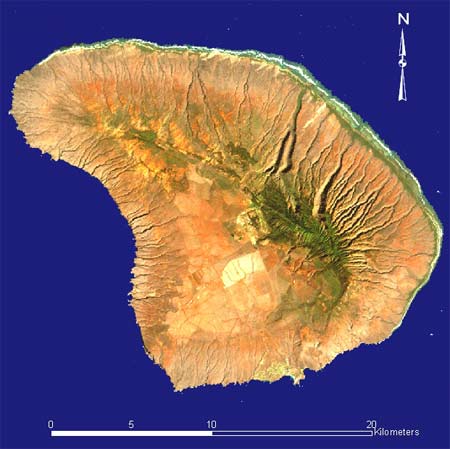



Geography and environment
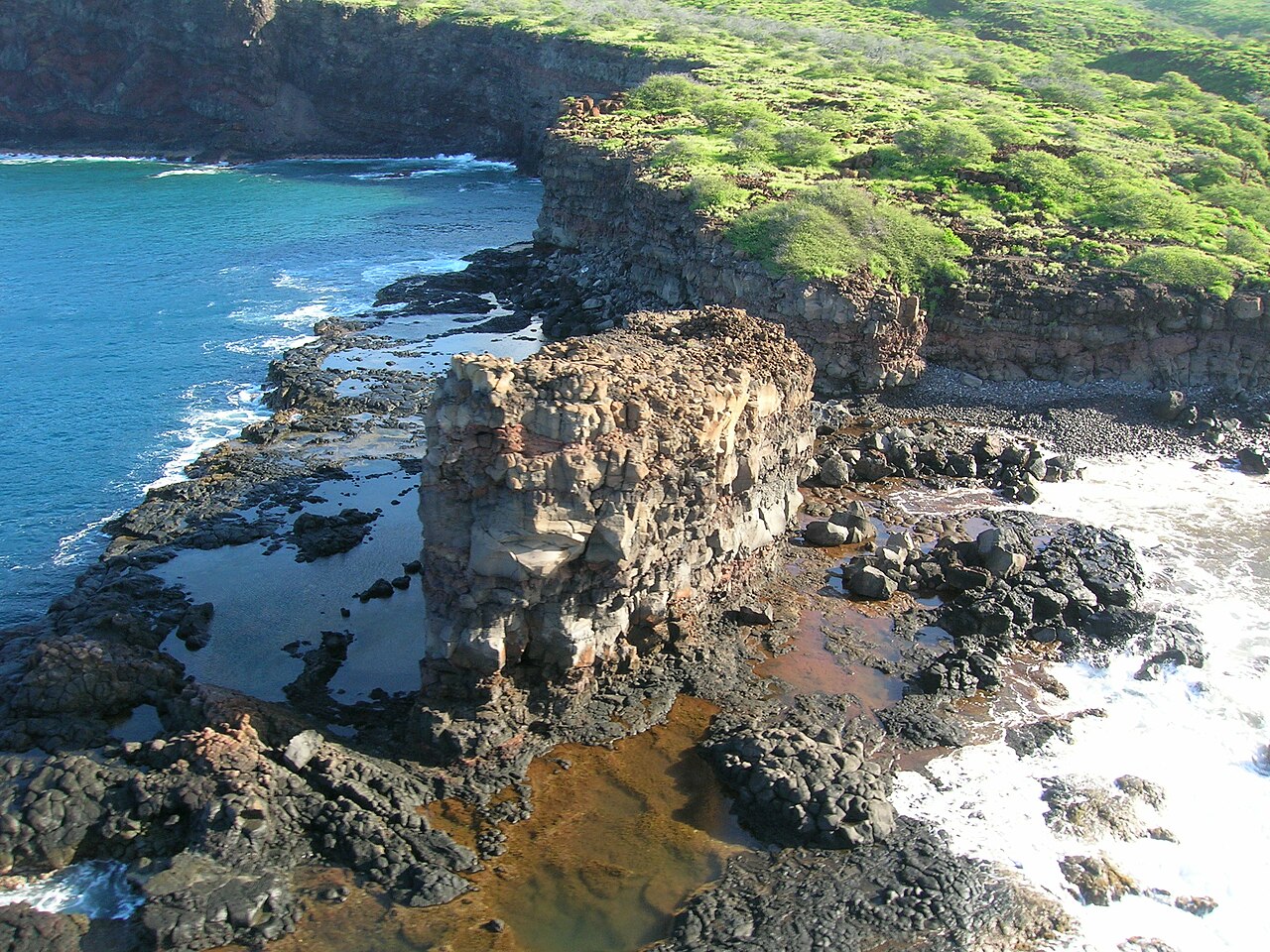
Lānaʻi is the eroded remnant of a single shield volcano. Its interior rises to higher, cooler uplands and then slopes down to dry, rocky coasts and sheltered bays. The island’s highest summit, Lanaihale, rises to just above 3,000 feet (roughly 1,000 m) and supports pockets of woodland and native plants not found on the lower leeward slopes. Sea and coastal habitats around the island include coral reefs and small bays that support diverse marine life.
History and development
Polynesian voyagers settled the Hawaiian Islands centuries ago and used Lānaʻi for fishing, cultivation, and seasonal camps. After European contact the island underwent changes in land use that culminated in large-scale pineapple cultivation during the 20th century, when much of the arable land was converted to plantation fields. In more recent decades the island’s economy shifted away from large-scale agriculture toward tourism, services, and conservation, and a substantial portion of the island is under private ownership.
Economy, tourism and services
Today Lānaʻi’s economy blends small-town services, luxury accommodations, outdoor recreation, and conservation initiatives. The community hub is Lanai City, with shops, restaurants and basic services. Visitors are drawn by quiet beaches, snorkeling and diving in protected bays, rugged backcountry roads ideal for off-road tours, hiking on upland trails, and opportunities to encounter native plants and seabirds. A small public airport and a short ferry connection to Maui make Lānaʻi accessible while preserving its comparatively low level of development.
Notable features and visitor highlights
- Hulopoʻe Bay and other sheltered coastal areas for snorkeling, swimming and marine observation.
- Scenic drives and guided 4x4 excursions across volcanic landscapes and to remote lookouts.
- Lanai City’s plantation-era architecture and local markets that reflect the island’s heritage.
- Conservation projects focused on native plants, seabirds and reef protection.
Practical information and distinctions
Lānaʻi stands out in the Hawaiian chain for its small, close-knit community, large areas of privately held land, and a quieter visitor experience compared with larger islands. Travelers should plan ahead: accommodations and services are limited, so booking in advance and bringing essentials is wise. Respect for private property, cultural sites and fragile natural areas helps maintain the island’s character and ecological health.
Visiting tips
- Access: short ferry crossings from Maui and small inter-island flights are the usual routes.
- Transport: rental vehicles and guided tours make exploring the island’s interior and coastline practical.
- Etiquette: observe local guidance, stay on designated trails, and avoid disturbing wildlife or cultural sites.
Questions and answers
Q: What is Lanai?
A: Lanai is the sixth largest of the Hawaiian Islands.
Q: What is Lanai also known as?
A: Lanai is also known as the "Pineapple Island".
Q: How wide is Lanai?
A: Lanai is 18 miles wide in the longest direction.
Q: What is the land area of Lanai?
A: The land area of Lanai is 140 sq. miles (367 km2).
Q: What separates Lanai from the island of Moloka'i?
A: Lanai is separated from the island of Moloka'i by the Kalohi Channel to the north.
Q: What country is Lanai located in?
A: Lanai is located in the United States.
Q: What is the shape of Lanai?
A: The island of Lanai is almost a circle in shape.
Related articles
Author
AlegsaOnline.com Lānaʻi: The Pineapple Isle of Hawaiʻi Leandro Alegsa
URL: https://en.alegsaonline.com/art/55731