
Lamb of God — American groove metal band from Richmond, Virginia
Overview of Lamb of God: musical style, members, history, notable releases, influence on modern metal, and major events in the band's career.
Lamb of God is an American heavy metal band known for its aggressive, groove-oriented sound and prominent role in 21st-century metal. Formed in Richmond, Virginia, in the mid-1990s, the group evolved from an early local project into one of the leading acts associated with modern groove and American heavy metal. Their music blends chugging, syncopated guitar riffs, punchy rhythm sections and harsh, shouted vocals, drawing on thrash, death metal and hardcore punk influences.
Image gallery
7 Images


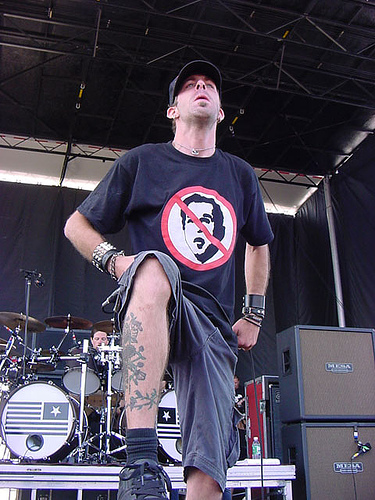
Musical style and characteristics
The band's core style is often described as groove metal with death metal influences. Characteristic elements include palm-muted, staccato guitar riffs, syncopated rhythms that emphasize the pocket groove, rapid double-bass drumming and a vocal delivery that ranges from guttural growls to forceful screams. Production tends to be dense and polished, with an emphasis on tight, rhythmic interplay between guitars and drums. Critics and fans frequently compare Lamb of God to other groove metal stalwarts while noting their distinct songwriting approach.
History and lineup
The band began under a different name and gradually refined its sound while playing the Richmond underground. The best-known lineup features Randy Blythe (vocals), Mark Morton (guitar), Willie Adler (guitar), John Campbell (bass) and the drummer who long anchored their sound, Chris Adler. Lineup changes have occurred over time, including a later replacement on drums for live work and recording. Through steady touring and a series of acclaimed albums, the group built an international fanbase and became a fixture at metal festivals and arena shows.
Notable releases and reception
Lamb of God released several albums that helped define their modern reputation. Early records established their sound in underground metal; subsequent releases reached wider audiences and received substantial critical and commercial attention. Their work has earned multiple industry nominations and brought metal to broader radio and festival stages. Key albums frequently cited by listeners and reviewers include both early underground efforts and later studio records that expanded their reach.
Impact, controversies and legacy
The band is credited with revitalizing aspects of American groove and bringing a distinctly modern, riff-driven approach to heavy music. They have influenced numerous newer bands across metal subgenres and remained a consistent live draw for two decades. The group's history also includes high-profile events that attracted legal and public attention; such episodes prompted debates about performer liability, concert safety and the relationship between bands and audiences. Despite controversies, their influence on contemporary heavy metal remains widely acknowledged.
Further information and resources
- Official band page
- Record label profile
- Band biography and timeline
- Richmond music scene context
- Early project / origins
- Genre overview: groove metal
- Death metal influences
- Thrash metal connections
- Rhythmic style and analysis
- Comparisons with peer bands
- Guitarists and gear
- Bass and rhythm section
For an introduction to the band's sound, listeners often start with selections from their breakthrough albums and then explore earlier and later releases to trace how their songwriting and production evolved. Live performances remain a central part of their identity, emphasizing tight musicianship and energetic interaction with audiences.
Author
AlegsaOnline.com Lamb of God — American groove metal band from Richmond, Virginia Leandro Alegsa
URL: https://en.alegsaonline.com/art/55663