
Arisaka rifle
Bolt-action service rifles developed in Japan around 1900; reliable, strong actions used in several calibres and variants from the late 19th century through World War II.
The Arisaka family is a series of Japanese bolt-action service rifles developed around the turn of the 20th century and used as the principal infantry arms through World War II. Designed under Colonel Arisaka Nariakira, these rifles served the Imperial Japanese armed forces and produced a number of enduring models and variants including standard rifles, carbines, and sniper conversions. For general reference see sources on service rifles.
Image gallery
10 Images







Characteristics and common features
Arisaka designs are noted for a sturdy Mauser-influenced bolt action, layered safety features and robust construction. Major characteristics include a turned-down bolt handle on many versions, a stacked-stripper clip or internal magazine feed, and wooden stocks shaped for bayonet and sling fittings. Two main calibre groups became prominent: the lighter 6.5mm round used in earlier models and a larger 7.7mm cartridge adopted later for increased power.
History and development
Development began in the late 19th century as Japan modernized its armed forces. Early Arisaka types replaced older single-shot and foreign-pattern rifles and were gradually refined in size, chambering and accessories. Over decades the line evolved to meet range, power and production demands, producing both long rifles for infantry and shorter carbines for cavalry, artillery and support troops. Military use continued until the end of Japan's wartime mobilization in 1945. For background on historical context see military history references.
Uses, variants and legacy
Arisaka rifles served in nearly every major conflict involving Japan in the first half of the 20th century. They were issued as standard infantry rifles, adapted as sniper platforms with optics, and shortened into carbines for specialized troops. After the war many Arisakas remained in circulation worldwide, entering collector markets and appearing in civilian hands. Their reputation for a strong action and straightforward design influences later bolt-action thinking.
- Notable distinctions: early models favored lighter recoil 6.5mm ammunition; later wartime types moved to a larger 7.7mm calibre for improved terminal performance.
- Variants: full-length rifles, short rifles, cavalry and artillery carbines, and sniper-converted examples.
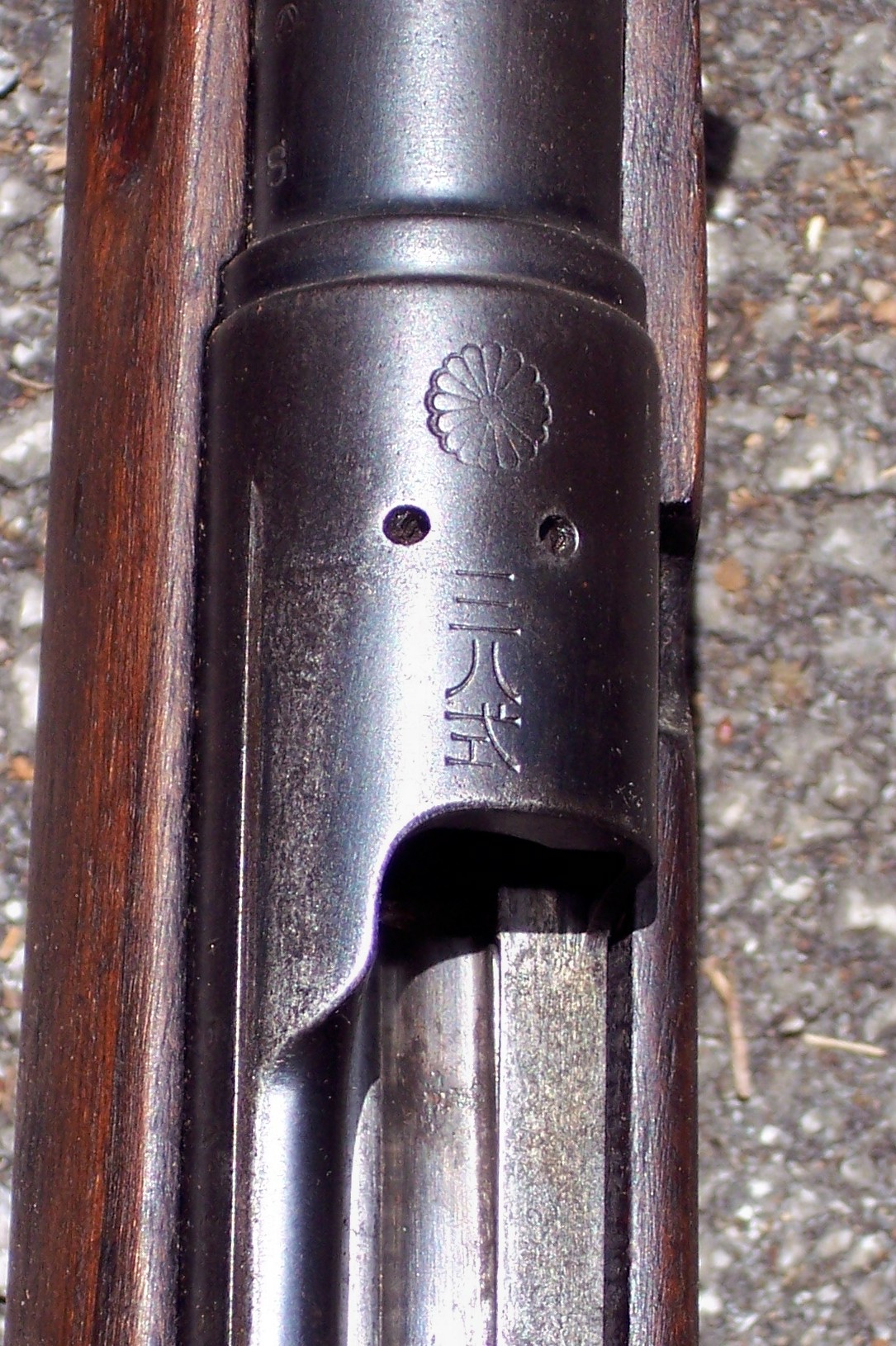
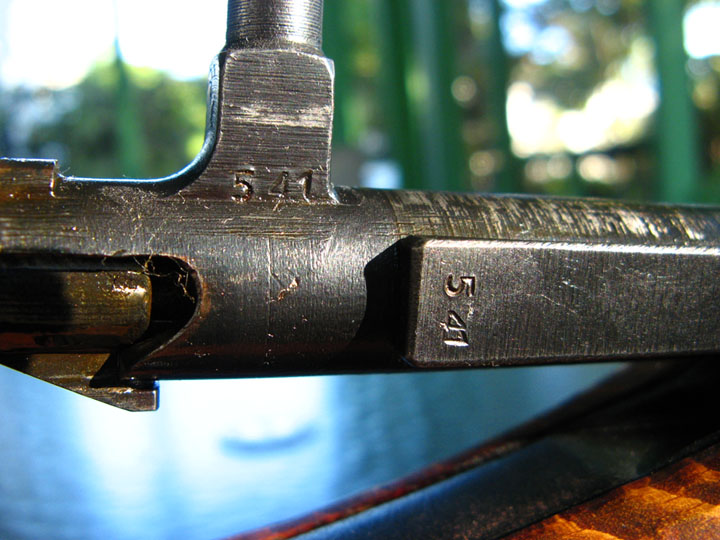
- Collector interest: condition, matching parts and wartime markings affect value and historical interest.
Arisaka rifles remain a subject of study for collectors, historians and shooters interested in early 20th-century military small arms. For further technical data and model comparisons consult specialized references or online repositories of military small-arms information at technical collections.
Related articles
Author
AlegsaOnline.com Arisaka rifle Leandro Alegsa
URL: https://en.alegsaonline.com/art/5554