
1910 in Music
A concise overview of musical life in 1910: major premieres, stylistic trends, the recording industry, popular and theatrical music, and notable figures born or active that year.
1910 was a year of vivid contrast in music: large-scale symphonic and operatic projects debuted alongside thriving sheet-music culture and an expanding recorded-music business. Composers were experimenting with color and new orchestral forces while popular songwriters and performers reached wider audiences through phonograph records and Tin Pan Alley publication.
Image gallery
3 Images

Major classical premieres and works
The international concert scene saw several landmark events. Igor Stravinsky’s Firebird ballet (written for the Ballets Russes) established him as an important new voice in orchestral and stage music. Gustav Mahler’s Eighth Symphony, a vast choral-symphonic work nicknamed the “Symphony of a Thousand,” received its first performance, confirming the appetite for monumental, late-Romantic projects. In Britain, composers were renewing interest in earlier musical forms and modal writing; Ralph Vaughan Williams and others pursued a distinct national voice.
Opera, ballet and theatre
Operatic life remained central in major houses. Giacomo Puccini’s new stage works continued to attract attention when they premiered in leading opera houses. Ballet and choreography collaborations—most famously those involving Sergei Diaghilev’s Ballets Russes—helped fuse modern orchestration with innovative stagecraft, setting the stage for further developments in the years that followed.
Popular music, recording industry and early jazz roots
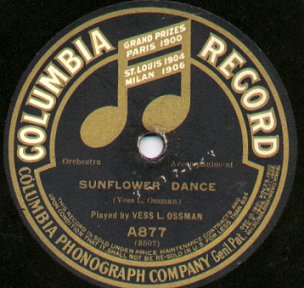
Sheet music sales and live vaudeville performances still dominated popular culture, but the phonograph record industry was growing rapidly, with companies such as Victor and Columbia distributing recordings of operatic stars, popular singers and instrumentalists. Ragtime remained fashionable, and in New Orleans and other American cities the musical practices that would become jazz were taking shape in bands, dance halls and brothels—although wide commercial jazz recording did not appear until later in the decade.
Notable figures and legacy
- Notable birth: Samuel Barber, who would become a leading American composer, was born in 1910.
- Recording stars such as Enrico Caruso continued to show the commercial power of recorded performance.
Overall, 1910 stands as a transitional year: an intersection of late-Romantic grandeur, nascent modernism, commercial popular song, and the technological changes—especially records—that would reshape listening habits in the twentieth century.
Related articles
Author
AlegsaOnline.com 1910 in Music Leandro Alegsa
URL: https://en.alegsaonline.com/art/111904