
Argolis
Argolis is a coastal region in the eastern Peloponnese of Greece, known for Mycenaean ruins, classical sites, Nafplio’s historic harbor, olive cultivation, and seaside tourism.
Overview
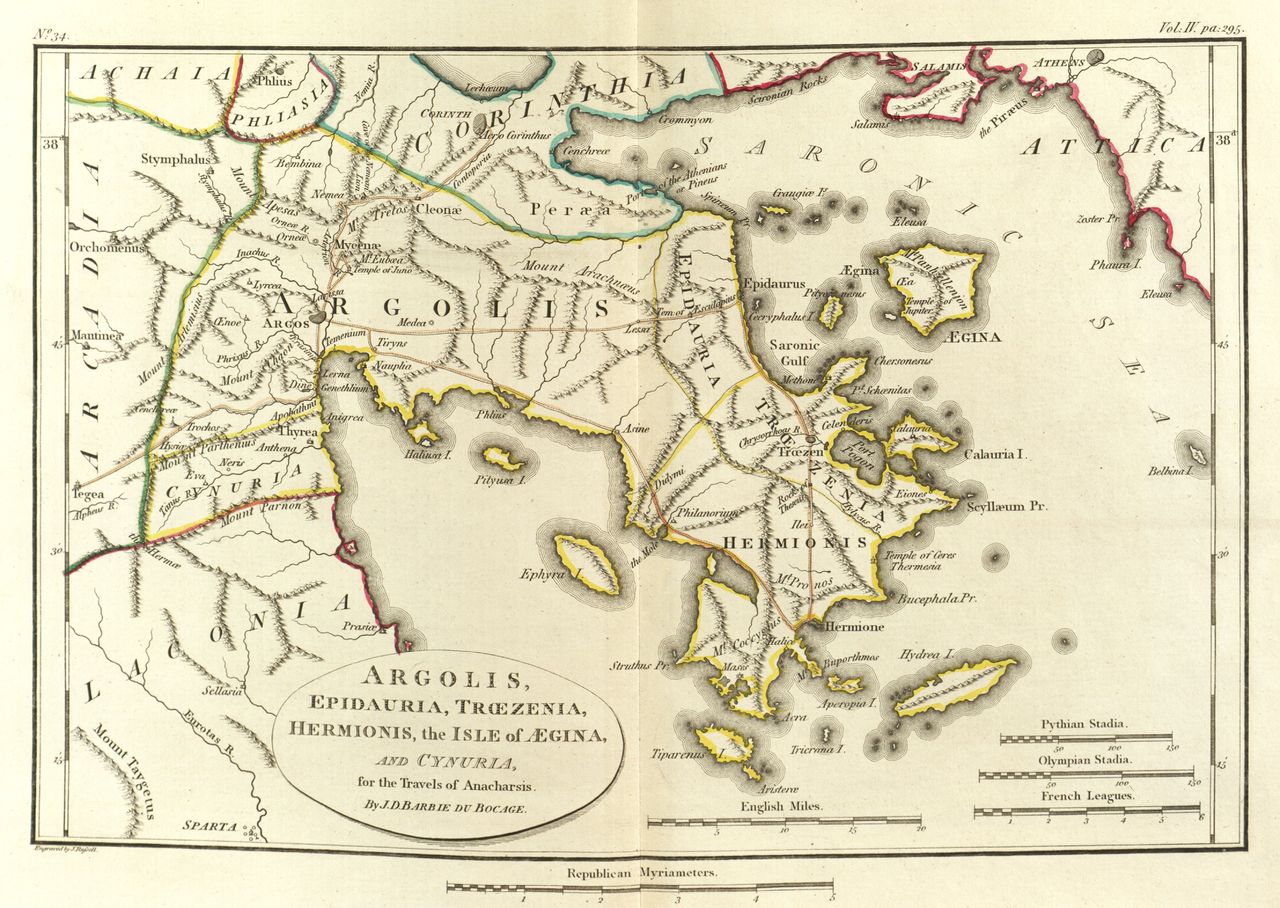
Argolis is a historic territory in the eastern Peloponnese that was long administered as a prefecture and today functions as a regional unit within modern Greece. It occupies the inner shores of the Argolic Gulf and combines fertile lowlands with coastal towns and nearby mountains. The city of Nafplio serves as its most famous port and cultural center.
Image gallery
10 Images




History
The area of Argolis has been inhabited since prehistoric times and was a core of Mycenaean civilization in the late Bronze Age; archaeological sites from that era are among the most important in the Mediterranean. In later antiquity the powerful city-state of Argos dominated regional politics. Over centuries the territory passed through Roman, Byzantine, Frankish, Venetian and Ottoman rule before becoming part of the modern Greek state; Nafplio was briefly the first capital of independent Greece in the 19th century.
Geography and economy
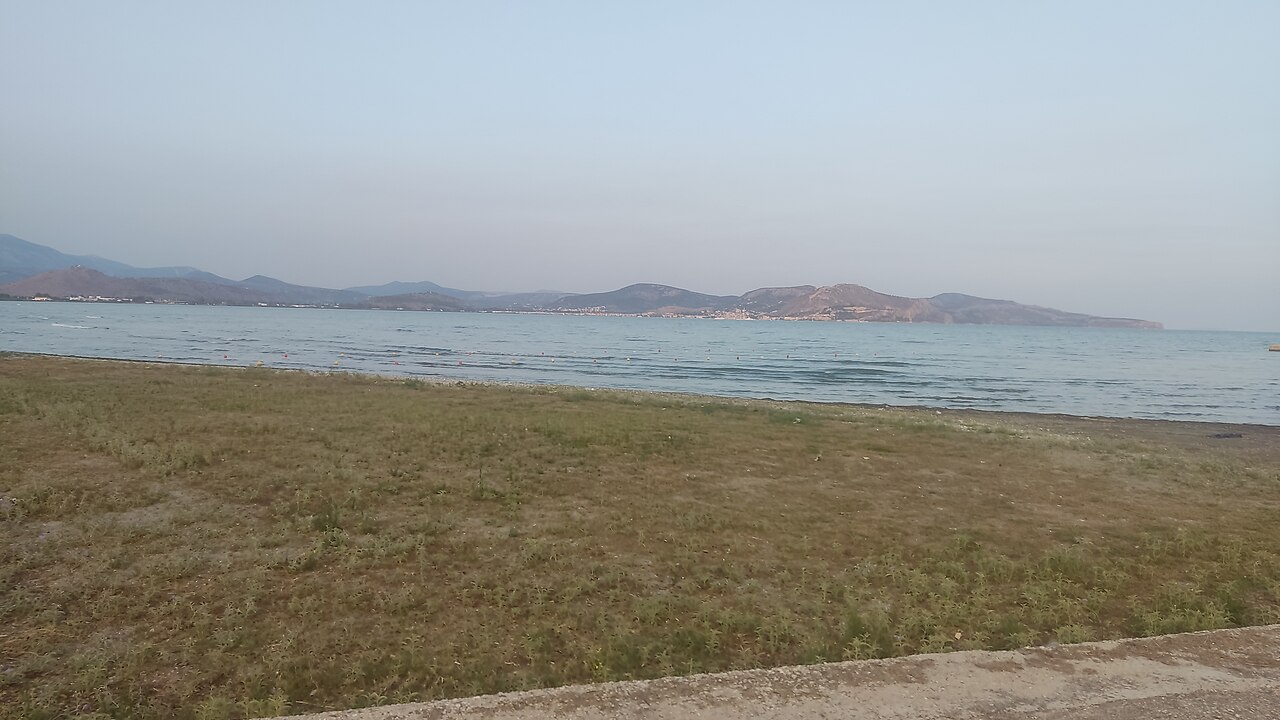
Argolis combines coastal plains around the Argolic Gulf with hilly and mountainous zones to the south and east. The climate is typically Mediterranean, supporting olives, grapes and citrus as principal crops. Agriculture, fishing and increasingly tourism form the economic backbone, with small manufacturing and services concentrated in larger towns.
Main sites
- Mycenae – fortress ruins and the famous Lion Gate, part of a UNESCO World Heritage ensemble.
- Tiryns – cyclopean walls of a Bronze Age citadel.
- Epidaurus – ancient sanctuary and remarkably preserved theater, also UNESCO-listed.
- Nafplio – Venetian and Ottoman-era fortifications such as Palamidi and the islet castle of Bourtzi; museums and a picturesque old town.
Administration and transport
Historically referred to as a prefecture, Argolis is organized into municipalities that include Argos-Mykines, Nafplio, Epidaurus and Ermionida. Road links connect the region to Athens and other Peloponnesian centers; ferries provide access to nearby islands and coastal destinations.
Cultural importance
Argolis remains a focal point for archaeology, classical studies and cultural tourism. Annual festivals, theatrical performances at Epidaurus and local gastronomic traditions highlight the region’s ongoing role as a meeting point of ancient heritage and contemporary Greek life. Visitors and scholars alike are drawn by the density of historic sites concentrated within a compact landscape on the Peloponnese.
Related articles
Author
AlegsaOnline.com Argolis Leandro Alegsa
URL: https://en.alegsaonline.com/art/5491