
Las Meninas: Velázquez’s Complex Court Portrait
Las Meninas is a celebrated 1656 oil painting by Diego Velázquez, famed for its complex composition, play of perspective and light, and enduring influence on Western art.
Las Meninas is an oil painting completed in 1656 by the Spanish court artist Diego Velázquez and is now held in the Museo del Prado in Madrid, Spain. The title refers to the young ladies of the court: a menina is a lady‑in‑waiting. Because of its intricate spatial arrangement, ambiguous points of view and richness of detail, the picture has been the subject of intense study and debate in art history for centuries. Many writers also link the work to other investigations of seeing and representation.
Image gallery
10 Images


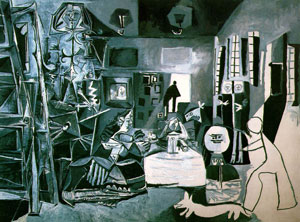

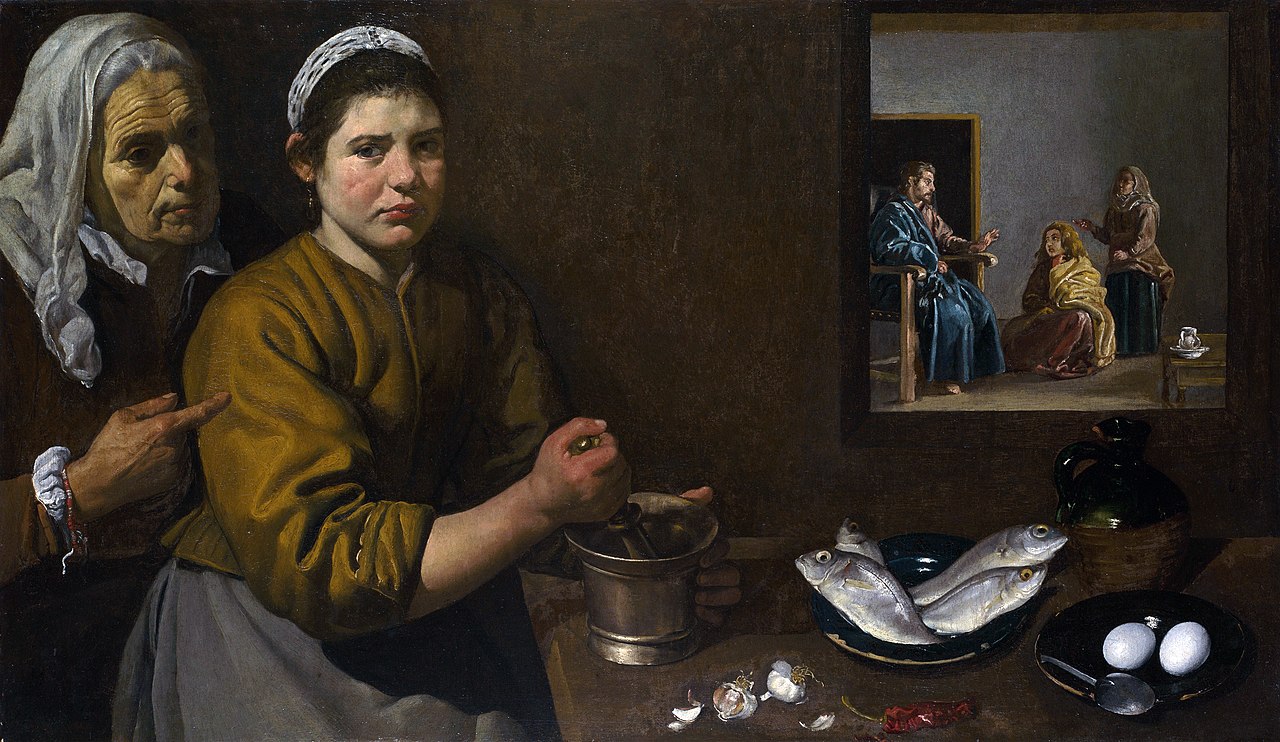

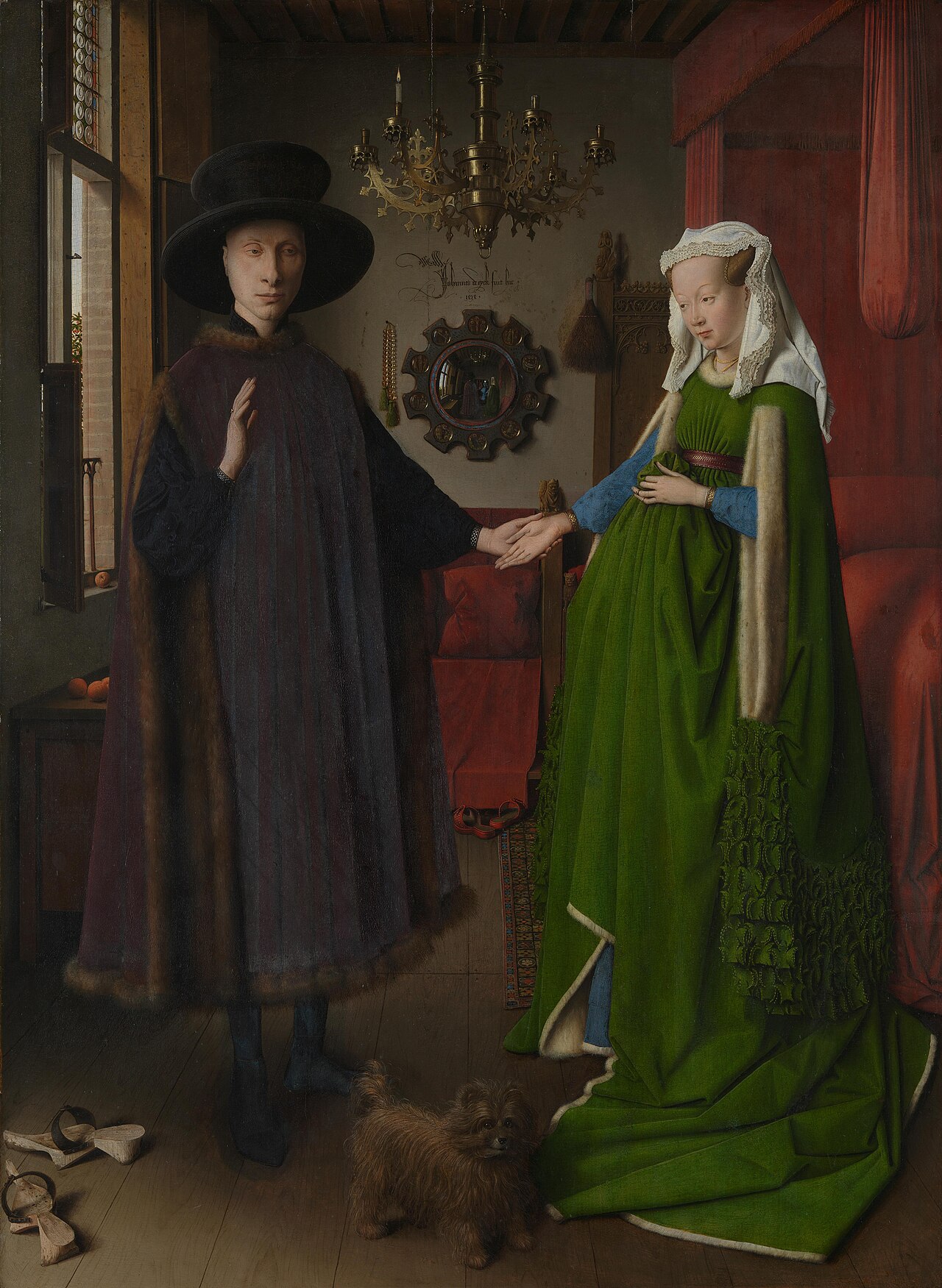

Subject and composition
The scene centers on the Infanta Margaret Theresa surrounded by attendants, maids of honour, a chaperone and a dog. Velázquez includes himself at the left, working at a large canvas, while, in the background, a doorway opens on a man standing in shadow. A mirror at the rear reflects the faces of the king and queen, suggesting that they occupy the viewer’s position. Light is carefully modulated across figures and space, creating layers that both reveal and conceal details.
Principal figures
- Infanta Margaret Theresa — the child at the composition’s center.
- Two meninas (maids of honour) and other attendants — engaged in courtly duties.
- Diego Velázquez — portrayed painting, asserting the artist’s social role.
- A mirror showing the monarchs and a figure in the doorway — devices that complicate perspective.
Context and technique
Velázquez painted the work during his mature period as the leading painter at the Spanish court. His handling of paint is economical yet subtle, using tonal contrasts and brushwork to model forms and suggest textures. The painting’s grand scale and the inclusion of the royal household underline its function as both portrait and statement about status and visibility in the Baroque court.
Interpretations and legacy
Scholars debate many aspects of the work: whose gaze defines the scene, whether the mirror shows reflected reality or a painted image, and how the composition stages the relationship between artist, sitter and sovereign. Its self‑referential qualities — a painting that shows a painter making a painting — have made it a touchstone for discussions of representation. Over time it has inspired generations of artists and thinkers and remains one of the most analyzed canvases in Western art.
For more on Velázquez and the painting’s scholarly history see biographical summaries of the artist, museum resources at the Prado, exhibition histories in Madrid, and general timelines of 17th‑century art (1656). Additional commentary and critical essays can be consulted via major art history overviews and catalogues raisonnés (Spain collections and archives).
Questions and answers
Q: Who painted Las Meninas?
A: Las Meninas was painted by the Spanish painter Diego Velázquez.
Q: Where can you find the painting Las Meninas?
A: Las Meninas hangs in the Museo del Prado in Madrid, the capital of Spain.
Q: What year was Las Meninas painted?
A: Las Meninas was painted in 1656.
Q: What does the word "Menina" mean?
A: The word "Menina" means "lady-in-waiting" or "Maid of Honour", i.e. a girl who serves in a royal court.
Q: Why has more been written about Las Meninas than almost any other Western painting?
A: More has been written about Las Meninas than almost any other Western painting because it is quite complicated, and people do not always agree about who is looking at whom and why they are standing there.
Q: What is the subject of the painting Las Meninas?
A: The subject of the painting Las Meninas is a group of people at the Spanish court, including the queen and her daughter, a group of ladies-in-waiting, and the painter himself.
Q: What style of painting is Las Meninas?
A: Las Meninas is an oil painting.
Related articles
Author
AlegsaOnline.com Las Meninas: Velázquez’s Complex Court Portrait Leandro Alegsa
URL: https://en.alegsaonline.com/art/56108