
Kyrgyz people: history, language, culture and modern identity
Ethnic Turkic people of Central Asia whose historical homeland is Kyrgyzstan; known for nomadic traditions, the epic Manas, horse culture and a majority Sunni Muslim faith.
The Kyrgyz are a Turkic-speaking ethnic group whose historical homeland is the mountains and valleys of what is today Kyrgyzstan. They are one of the peoples of Central Asia and also live in neighbouring countries and in parts of China. The Kyrgyz speak a language of the Turkic family (Turkic) and are commonly described as an ethnic community (ethnic group) with strong ties to pastoral nomadism and highland culture. The majority adhere to Sunni Islam (Sunni), although religious practice and belief vary widely.
Image gallery
10 Images

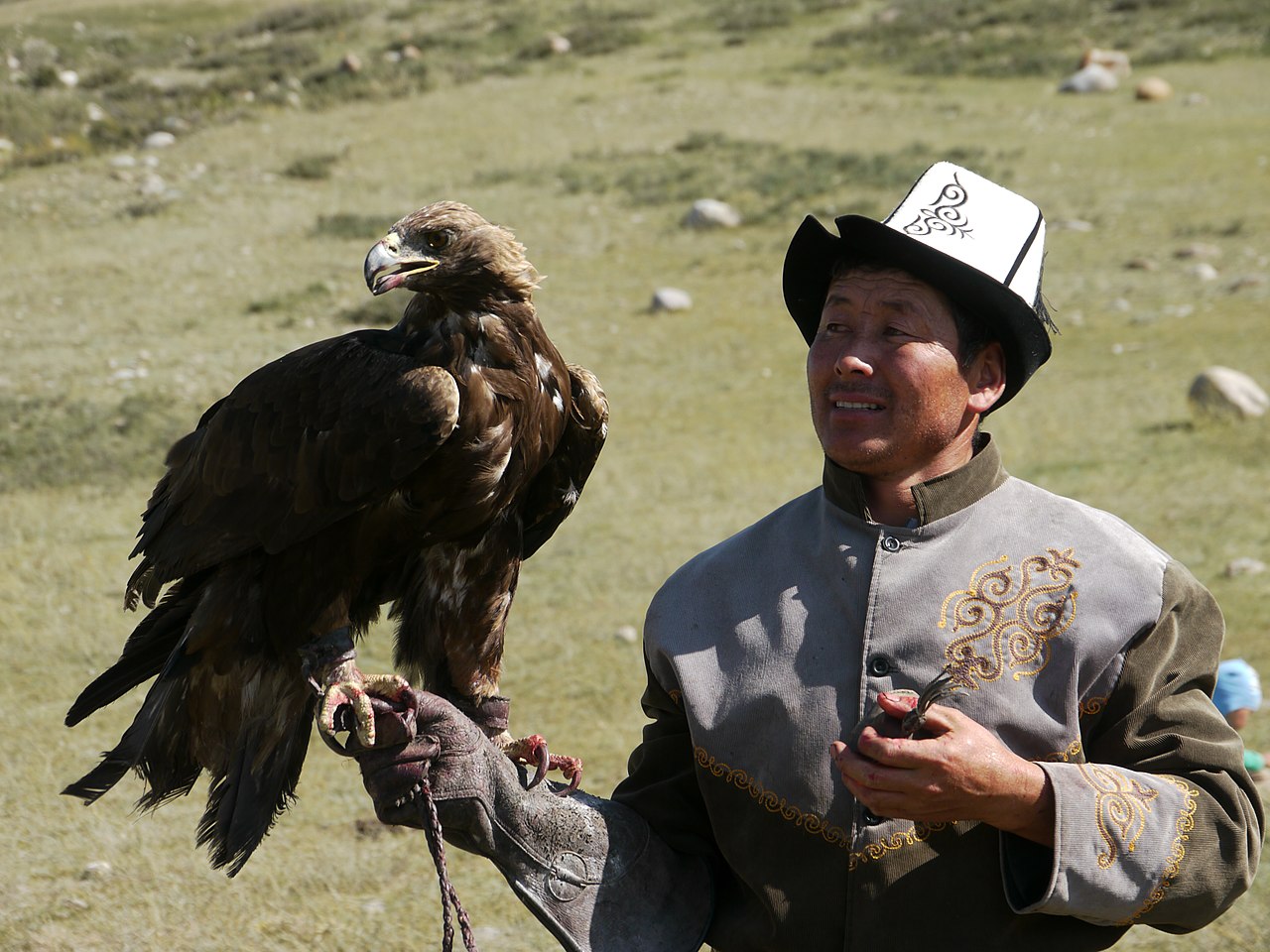


Origins and historical development
Scholars trace Kyrgyz origins through a long history of migration, state formation and cultural exchange across the Eurasian steppe. Early Kyrgyz polities appear in historical sources centuries ago; later they experienced periods of independence, incorporation into imperial structures, and deep changes under Russian imperial and Soviet rule. The Soviet era reshaped settlement patterns, economy, education and administration; after the Soviet Union dissolved, the Kyrgyz declared independence and the modern republic developed amid political and social transitions.
Language, social structure and identity
The Kyrgyz language is a member of the Kipchak branch of Turkic languages and serves as a central marker of national identity. Traditional social organization emphasized clan and kinship networks, seasonal movement with livestock, and customary law in local life. Urbanization, schooling and migration have diversified lifestyles, while many Kyrgyz communities retain strong memories of nomadic customs.
Culture, arts and daily life
- Nomadic heritage: felt-making, yurt construction and seasonal herding.
- Epic literature: the Manas epic is a foundational cultural work performed by oral storytellers.
- Music and crafts: stringed instruments, weaving and filigree metalwork are important arts.
- Traditional sports: horseback games such as kok-boru remain popular.
Kyrgyz cuisine, festivals and attire reflect mountain life and regional trade connections. Folk music and oral poetry continue to be celebrated in national and local events.
Today Kyrgyz communities balance modern state institutions and global ties with preservation of language, customary practices and cultural heritage. Diaspora populations maintain connections with the homeland, and Kyrgyzstan remains a focal point for the group's political and cultural life.
For further background see general resources on Turkic peoples and Central Asian history via Turkic studies, regional overviews at Central Asia portals, and country information for Kyrgyzstan. Ethnographic and religious context can be explored through links on ethnic studies and Sunni Islam, while minority and cross-border issues are discussed in sources about China and neighbouring states.
Related articles
Author
AlegsaOnline.com Kyrgyz people: history, language, culture and modern identity Leandro Alegsa
URL: https://en.alegsaonline.com/art/54785
Sources
- worldpopulationreview.com : worldpopulationreview.com/countries/kyrgyzstan-population/
- 24.kg : 2009 Census preliminary results
- stat.kg : "Ethnic composition of the population in Kyrgyzstan 1999–2014"
- xjtj.gov.cn : 新疆维吾尔自治区统计局
- perepis2002.ru : perepis2002.ru/content.html?id%3D11%26docid%3D10715289081463
- 92.46.60.130 : 92.46.60.130/open.php?exten=pdf&nn=760179
- ozturkler.com : "ÖZ TÜRKLER / TÜRK - TURAN TARİHİ" · web.archive.org
- postconflict.unep.ch : "Wak.p65"
- ukrcensus.gov.ua : Ukrainian population census 2001
- rferl.org : Kyrgyz Religious Hatred Trial Throws Spotlight On Ancient Creed
- moe.edu.cn : 中国各民族名称的罗马字母拼写法和代码