
Abu Musab al-Zarqawi (1966–2006)
Jordanian militant leader who founded a violent insurgent network and led al-Qaeda in Iraq; known for brutal tactics, sectarian attacks, and his death in a 2006 U.S. airstrike.
Overview
Abu Musab al‑Zarqawi (Arabic: أبو مصعب الزرقاوي; born October 30, 1966 – died June 7, 2006) was a Jordanian-born militant who became the most prominent leader of an armed group that later evolved into the Iraq branch of al‑Qaeda. He gained international notoriety during the insurgency that followed the 2003 invasion of Iraq, mounting attacks that intensified sectarian violence in the Middle East.
Image gallery
8 Images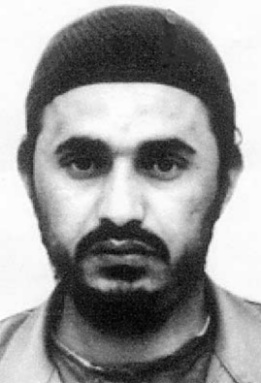




Early life and development
Al‑Zarqawi was born and raised in Zarqa, Jordan. His early years included time in Jordanian prisons and exposure to Islamist militant circles. During the 1990s and early 2000s he moved between Afghanistan, where foreign Islamist networks operated, and the Gulf region, accumulating contacts and combat experience that later helped him organize fighters in Iraq.
Militant network and ideology
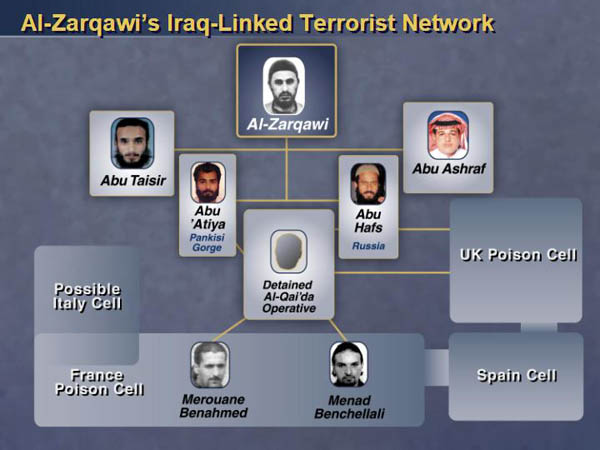
He founded an organization sometimes called Tawhid wal‑Jihad and rejected the authority of existing regimes and traditional institutions. His network used extremist Salafi‑Jihadist rhetoric and prioritized violent, high‑profile attacks aimed at both coalition forces and Iraqi civilians, especially Shia communities, to provoke sectarian backlash and destabilize the country.
Tactics, organization, and impact
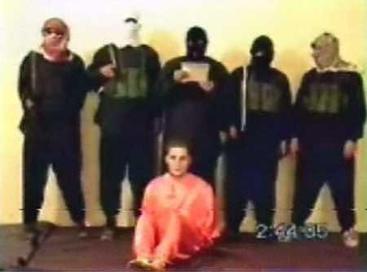
Under his leadership the group carried out bombings, hostage takings, and publicized executions that drew widespread condemnation. His methods were designed to attract recruits and media attention while undermining efforts to form an inclusive Iraqi polity. Analysts credit him with transforming a localized insurgency into a more organized transnational threat.
Death and aftermath
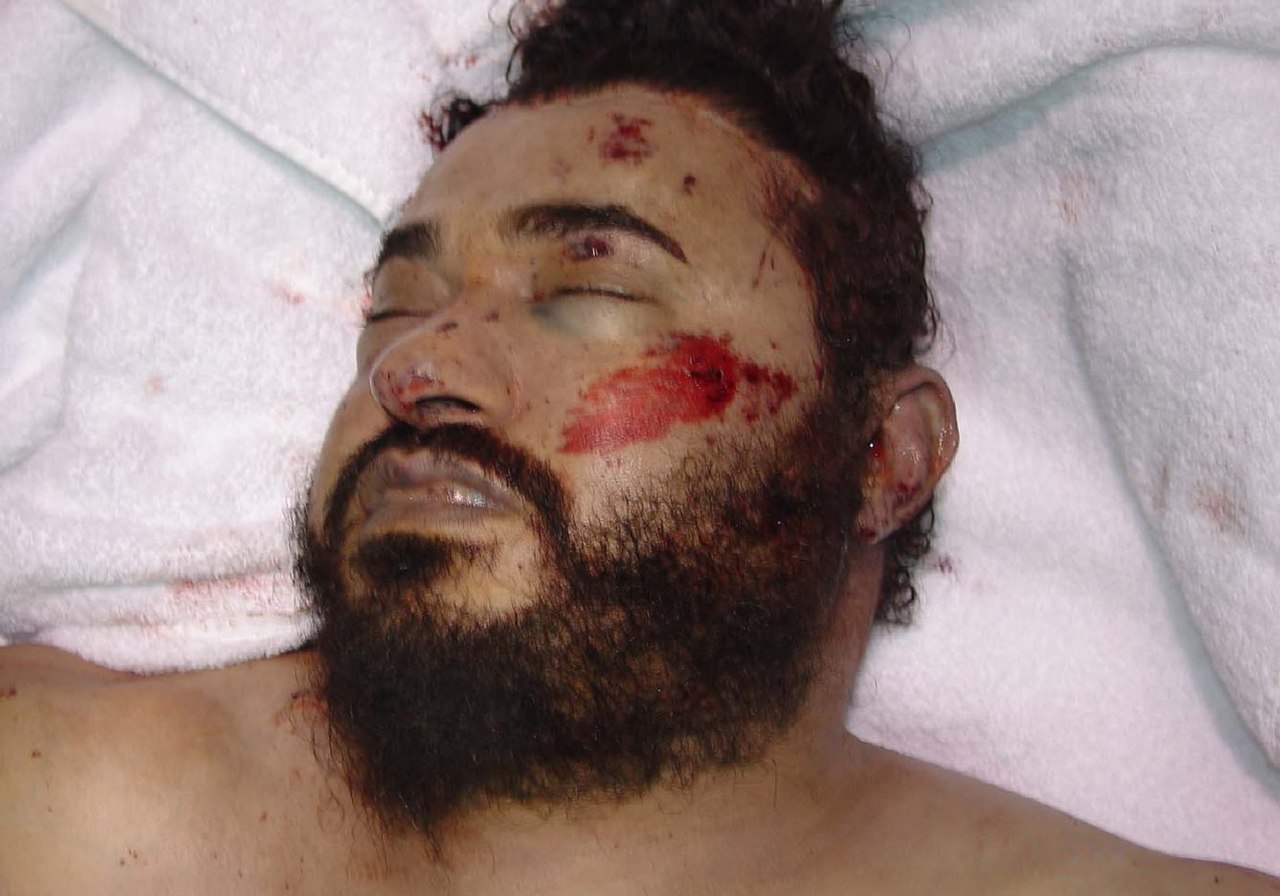
On June 7, 2006, al‑Zarqawi was killed in a targeted strike—an operation attributed to the U.S. military—on a safe house in Hibhib, Iraq. The strike has been widely reported as a significant blow to his network, though affiliated groups adapted and later rebranded, influencing subsequent militant formations.
Legacy and assessments
Scholars and security officials debate his exact links with central al‑Qaeda leadership; by 2004 he had declared allegiance to Osama bin Laden and his organization became commonly referred to as al‑Qaeda in Iraq. His legacy is chiefly associated with the intensification of sectarian warfare in Iraq and the evolution of violent extremist tactics in the region.
Further reading and primary references: U.S. reports on the strike, background on al‑Qaeda, and regional context summaries on Middle Eastern militancy and the Iraqi insurgency. Historical details about his origins are available from sources discussing Zarqa and Jordan.
- Also see: organizational evolution in Iraq and analyses of sectarian strategy.
- Contemporary reporting and government statements provide timelines and investigations into his network.
Related articles
Author
AlegsaOnline.com Abu Musab al-Zarqawi (1966–2006) Leandro Alegsa
URL: https://en.alegsaonline.com/art/543
Sources
- outsidethebeltway.com : Zarqawi beheading victims