
Königslutter am Elm: history, geography, economy and landmarks
Comprehensive overview of Königslutter am Elm: location, municipal composition, the 12th‑century monastery church (Dom), local economy, tourism on the Half‑Timbered House Road, institutions and cultural life.
Overview
Königslutter am Elm is a town in northern Germany situated beside the small Lutter stream at the edge of the Elm hills. It belongs to the district of Helmstedt in the state of Lower Saxony and the country of Germany. Historically a settlement that grew around a royal monastery, Königslutter combines rural surroundings with local services, a modest industrial base and a role in regional tourism. Around the start of the 21st century the municipality had a population in the order of the tens of thousands, reflecting its status as a small regional centre.
Image gallery
7 Images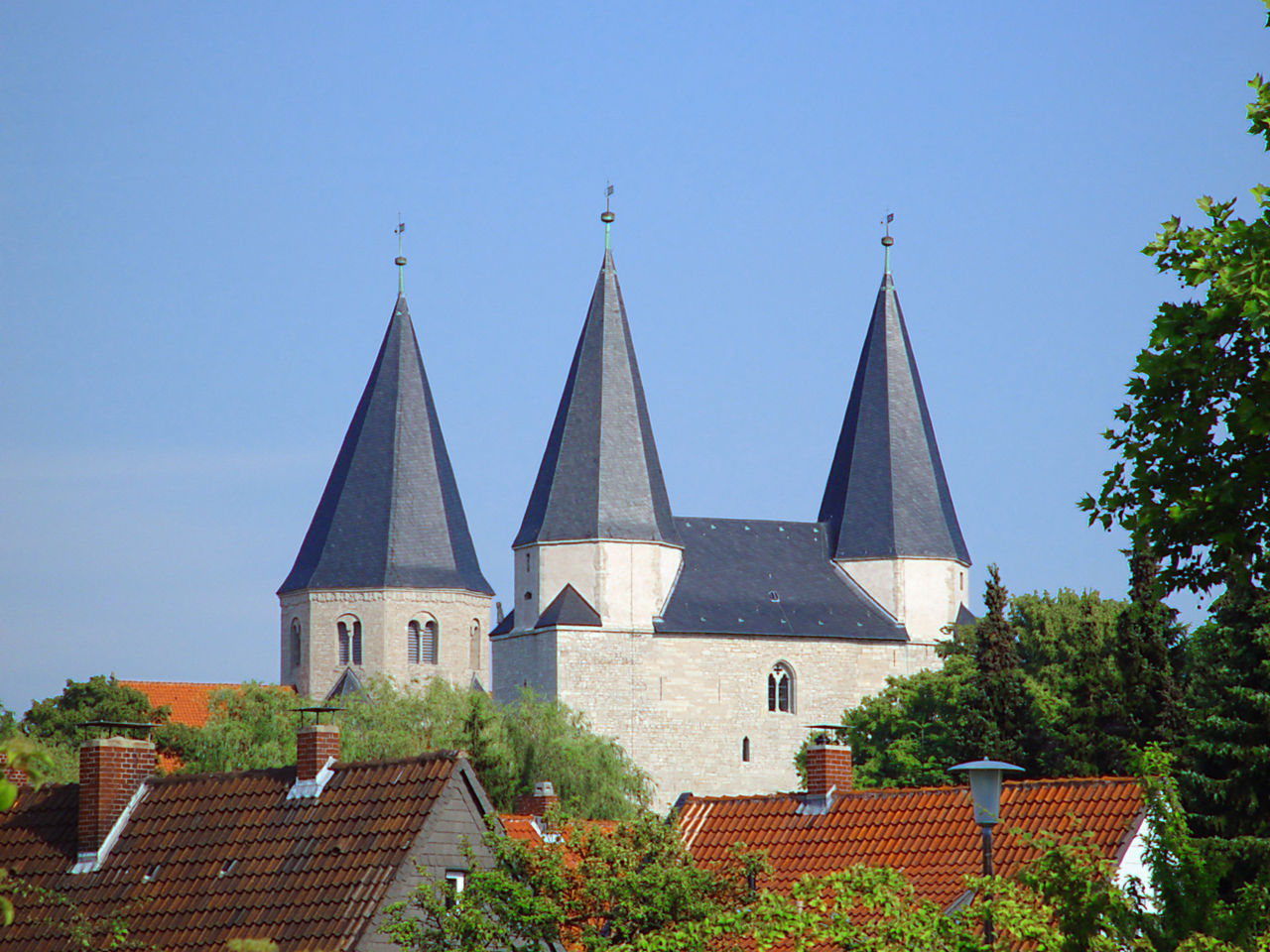


Geography and natural setting
The town lies at the northwestern margin of the Elm, a low but extensive ridge of beech forest and open farmland valued for walking and outdoor recreation. The Lutter stream, which gives the settlement its name, flows through the central area. The Elm environment supports nature trails and attracts visitors who combine cultural visits with short hikes. The town's landscape is typical of the Helmstedt region, with a mix of woodlands, agricultural fields and small villages.
Municipal structure
In its present administrative form Königslutter was created in the 1970s through consolidation of a number of smaller municipalities. The modern municipality comprises the central town and the following formerly independent localities:
- Beienrode
- Boimstorf
- Bornum am Elm
- Glentorf
- Groß Steinum
- Klein Steimke
- Königslutter (central town)
- Lauingen
- Lelm
- Ochsendorf
- Rhode
- Rieseberg
- Rotenkamp
- Rottorf
- Scheppau
- Schickelsheim
- Sunstedt
- Uhry
History and the monastery church
The settlement developed from an early village called Lutter that is first documented in the high Middle Ages. A major turning point came with the foundation of a Benedictine monastery near Lutter in 1135 by Emperor Lothair II (Lothair of Supplinburg). The monastery church, often called the Dom, is the town's most prominent medieval monument. Built in Romanesque and later Gothic styles, the church is noted for its sculptural decoration and the imperial tomb that marks the founder's resting place. The presence of the monastery stimulated market activity and craft production and helped the place gain recognition as a market town in the later Middle Ages and later municipal privileges consistent with becoming a city.
Architecture and cultural heritage
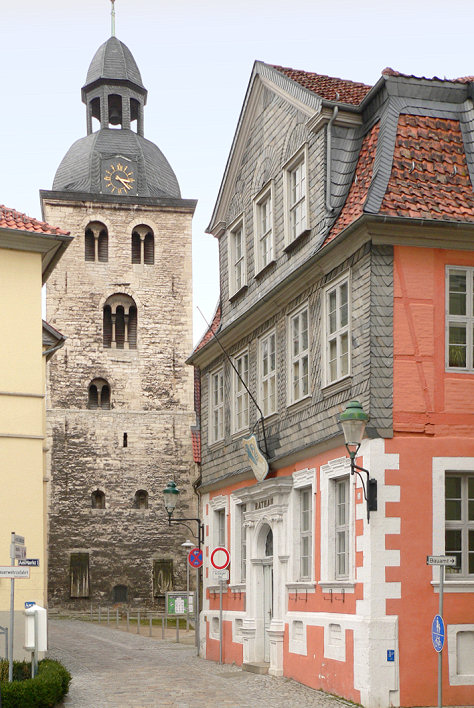
The Dom combines monumental masonry with architectural elements typical of imperial foundations of the 12th century. Its interior and sculptural programme reflect medieval devotional and commemorative practices. Beyond the monastery complex, Königslutter preserves examples of traditional half‑timbered houses and local stonework derived from the nearby Elm quarries. The town's built heritage and its surroundings are interpreted for visitors by local guides and occasional exhibitions.
Economy and traditional crafts
Historically, the local economy mixed agriculture with crafts and small industries. Brewing of beer was a long‑established craft in the region, while quarrying and the working of Elm limestone provided material for church and civil construction across the area. Over time these activities declined in relative importance, while services, public institutions and tourism have grown. Small enterprises and local shops support the town's everyday economy.
Health care and public services
Königslutter is the site of a substantial psychiatric hospital run by a social welfare organisation; the facility offers inpatient, outpatient and day‑care services and is an important local employer. In addition to health care, the town provides municipal services, schools and sports facilities that serve the surrounding villages and rural population.
Tourism and events
The town lies on the German Half‑Timbered House Road, attracting visitors interested in traditional architecture, regional history and walking in the Elm. The Dom and the historic centre are focal points for guided tours, concerts and cultural events. Local festivals and markets draw residents and visitors from the wider Helmstedt district, often combining artisan stalls, regional food and music.
Transport and connections
Königslutter is connected to neighbouring towns and the wider region by local roads and public transport links typical of rural Lower Saxony. Its position makes it a practical base for excursions into the Elm, for visits to nearby urban centres and for cultural tourism that pairs the town's medieval heritage with landscape recreation.
International links and community life
The town maintains a twinning relationship with Taunton in Somerset, in the southwest of England, which supports cultural exchanges, school links and municipal cooperation. Local associations, clubs and voluntary organisations contribute to community life and help maintain traditions connected to the town's monastic and rural past. The Benedictine origins of the monastery continue to be a point of historical reference in local identity and occasional religious observance (Benedictine heritage).
Today Königslutter balances preservation of its historic core with provision of modern services, making it a regional centre for culture, health care and rural tourism while retaining the character of a town shaped by centuries of monastic influence and local craftsmanship.
Related articles
Author
AlegsaOnline.com Königslutter am Elm: history, geography, economy and landmarks Leandro Alegsa
URL: https://en.alegsaonline.com/art/54203
Sources
- destatis.de : "Alle politisch selbständigen Gemeinden mit ausgewählten Merkmalen am 31.12.2018 (4. Quartal)" · web.archive.org
- www1.nls.niedersachsen.de : Landesbetrieb für Statistik und Kommunikationstechnologie Niedersachsen, 102 Bevölkerung - Basis Zensus 2011, Stand 31. Dezember 2015 (Tabelle K1020014)