
Abu Ghraib prison (Iraq)
Abu Ghraib is a prison complex west of Baghdad known for human rights abuses under Saddam Hussein and a later 2003–2006 detainee abuse scandal involving U.S. personnel; it remains a symbol of detainee mistreatment.
Overview
Abu Ghraib is a prison complex near the city of Abu Ghraib, approximately 32 km west of Baghdad. It served for decades as one of Iraq's principal detention centers. The facility has held a mix of criminal prisoners, political detainees and suspected insurgents at different times in its history. Its name has become widely associated with documented human rights abuses that occurred under different authorities.

Image gallery
5 Images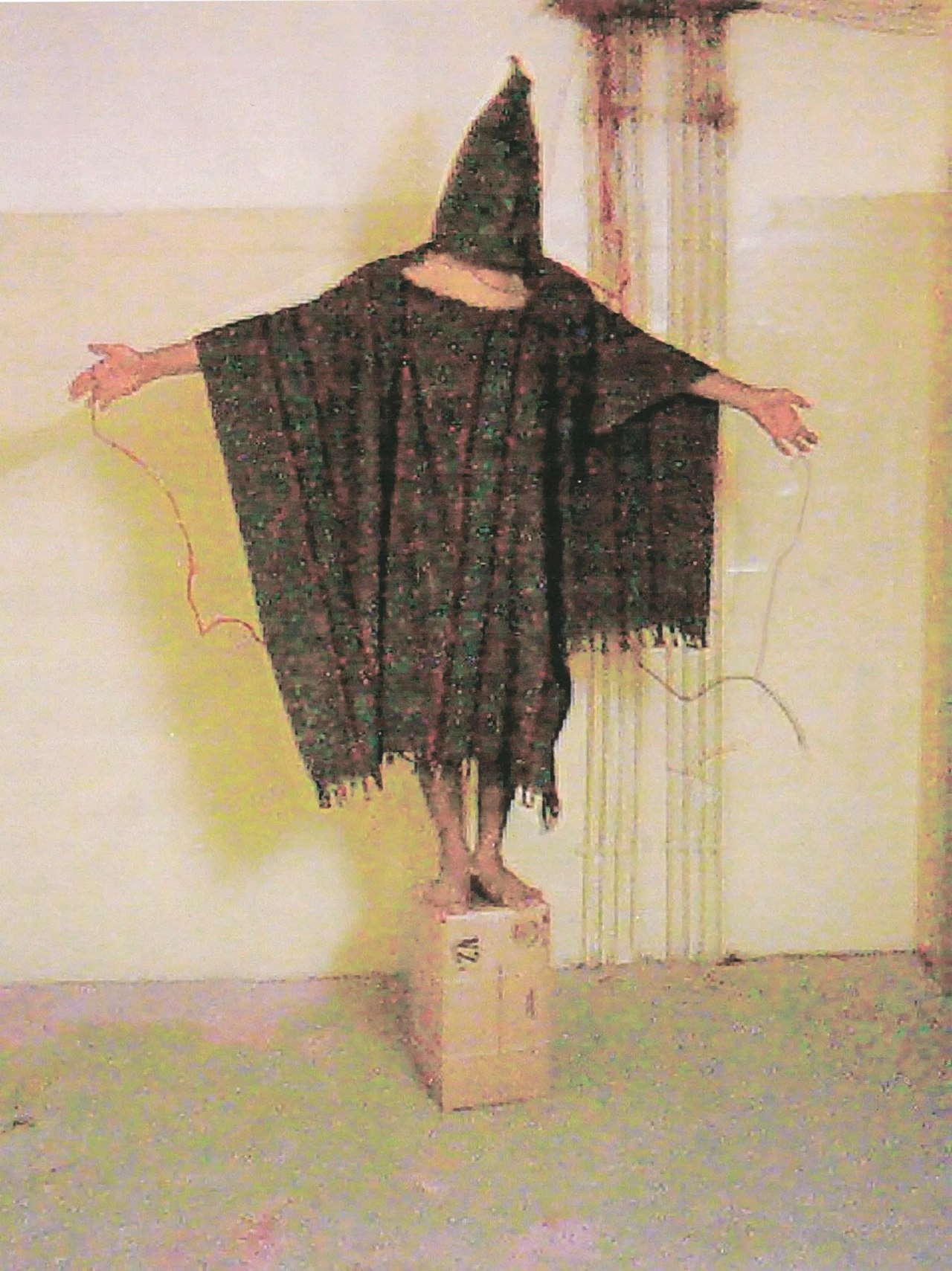


History and role
The site was used as a state prison under the government of Saddam Hussein where political opponents and others were detained, interrogated and in many cases sentenced to harsh punishments. After the 2003 invasion of Iraq, control of Abu Ghraib passed to coalition forces, and the complex continued to be used for detention during the subsequent insurgency and stabilization operations.
2003–2006 abuse revelations
In 2004 international media and human rights organizations published photographs and reports documenting abusive treatment of detainees by personnel associated with the U.S. military and contracted guards. The evidence included images of humiliation, stress positions, and other degrading practices. These revelations prompted criminal investigations, military courts-martial, internal reviews and broad public debate about interrogation methods, command responsibility and policy.
Characteristics and facility layout
Abu Ghraib is not a single building but a compound with multiple cellblocks, administrative buildings, and exterior areas used for processing and temporary holding. Over time the complex housed both long-term inmates and short-term detainees. Conditions, oversight and management changed depending on which authority operated the site, contributing to inconsistent treatment and accountability.
Consequences and significance
The events associated with Abu Ghraib had legal, political and ethical consequences: there were prosecutions of some service members and contractors, official inquiries and changes in detention and interrogation policies. The case influenced international discussions about the laws of armed conflict, detainee rights and the responsibilities of occupying powers. For many observers, Abu Ghraib remains a symbol of the risks of unchecked detention practices.
Notable points
- The facility predates the 2003 invasion and was used under several Iraqi governments.
- Photographic evidence played a central role in informing public opinion and legal responses.
- Investigations addressed both individual misconduct and systemic failures in oversight.
Further reading and resources
- Location and general information
- City context: Abu Ghraib
- Proximity to Baghdad and geographic notes
- Iraq: history and governance
- Saddam Hussein era background
- Human rights and torture issues
- Political repression under past regimes
- U.S. involvement in post-2003 Iraq
- Reports on the 2004 revelations
- Investigations and legal proceedings
- Policy debates and subsequent reforms
Related articles
Author
AlegsaOnline.com Abu Ghraib prison (Iraq) Leandro Alegsa
URL: https://en.alegsaonline.com/art/540