
Klezmer: Jewish Musical Tradition of Eastern Europe
Klezmer is the instrumental folk music of Ashkenazi Jews from Eastern Europe, known for expressive, vocal-like melodies, dance forms, modal scales drawn from synagogue chant, and a modern revival blending folk and popular styles.
Overview
Klezmer is the secular instrumental music historically associated with Ashkenazi Jewish communities of eastern Europe. The name derives from the Hebrew phrase klei zemer, literally "vessels of song," used to describe musicians or musical instruments. Traditionally klezmer provided music for life-cycle events, communal celebrations and social dancing, ranging from upbeat dance tunes to slow, expressive laments that imitate the human voice.
Image gallery
10 Images





Characteristics and styles
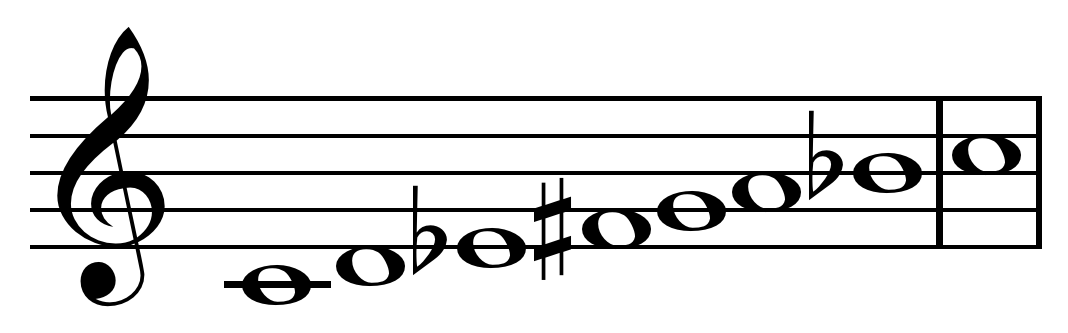
Characteristic klezmer playing is highly ornamented and vocal in quality, with distinctive bends, slides, trills and rhythmic lilt. Repertoire includes improvisatory laments such as the doina, and many dance forms like the freylekh, bulgar, hora and processional tunes. Melodies often use modes related to synagogue chant, including scales commonly called Freygish or Ahava Rabbah, which lend klezmer its plaintive, sometimes plaintive-sounding colors. The music absorbs and adapts regional tunes and dance rhythms while maintaining a repertory used for particular moments in a celebration.
Instruments and ensemble
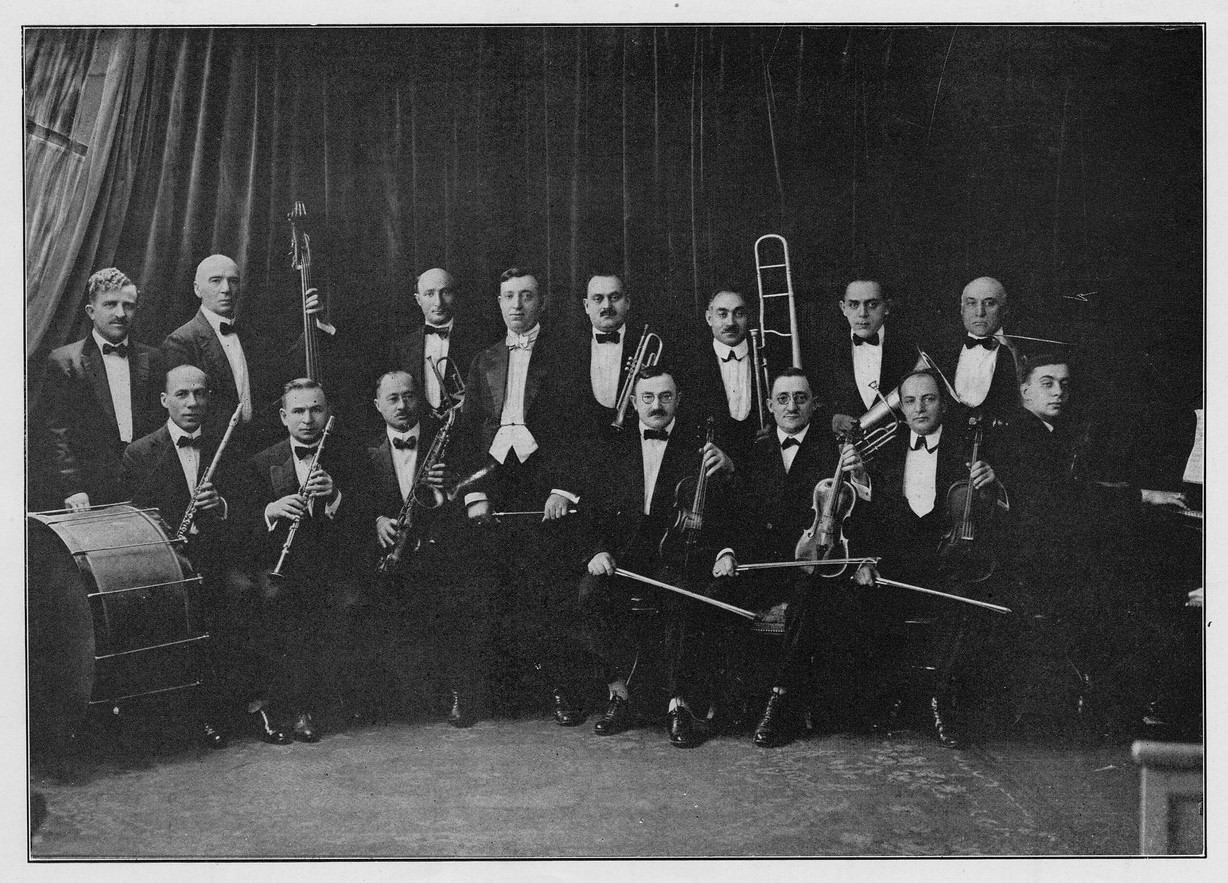
Ensembles varied by period and place, but the tradition centers on lead melody instruments that can imitate vocal inflections. The clarinet and the violin are among the most recognizable solo voices. Other common instruments include the hammered dulcimer or tsimbl, accordion or piano for harmony and rhythm, and bass or percussion for support. Larger bands sometimes added brass or winds. For a concise list and descriptions, see general resources on klezmer instruments.
Origins and historical development
Klezmer developed among Jews in areas that are today parts of Poland, Ukraine, Lithuania and neighboring regions. Its melodies borrowed freely from surrounding musical cultures — including Russian, Greek and Romanian folk traditions — while remaining shaped by Jewish liturgical modes and Yiddish song. From the late 19th century many klezmorim emigrated to the United States, where recordings and contact with popular music and jazz influenced new styles and arrangements.
Migration, recordings and revival
Early commercial recordings helped spread klezmer repertoire beyond local communities. In the mid-20th century the tradition declined in daily use, but a revival beginning in the 1970s and 1980s saw musicians, scholars and collectors reintroduce and reinterpret older repertoire. This revival includes historically informed ensembles, experimental crossover projects that blend klezmer with jazz and world music, and educational programs that teach style and ornamentation to new generations.
Uses, cultural importance and distinctions
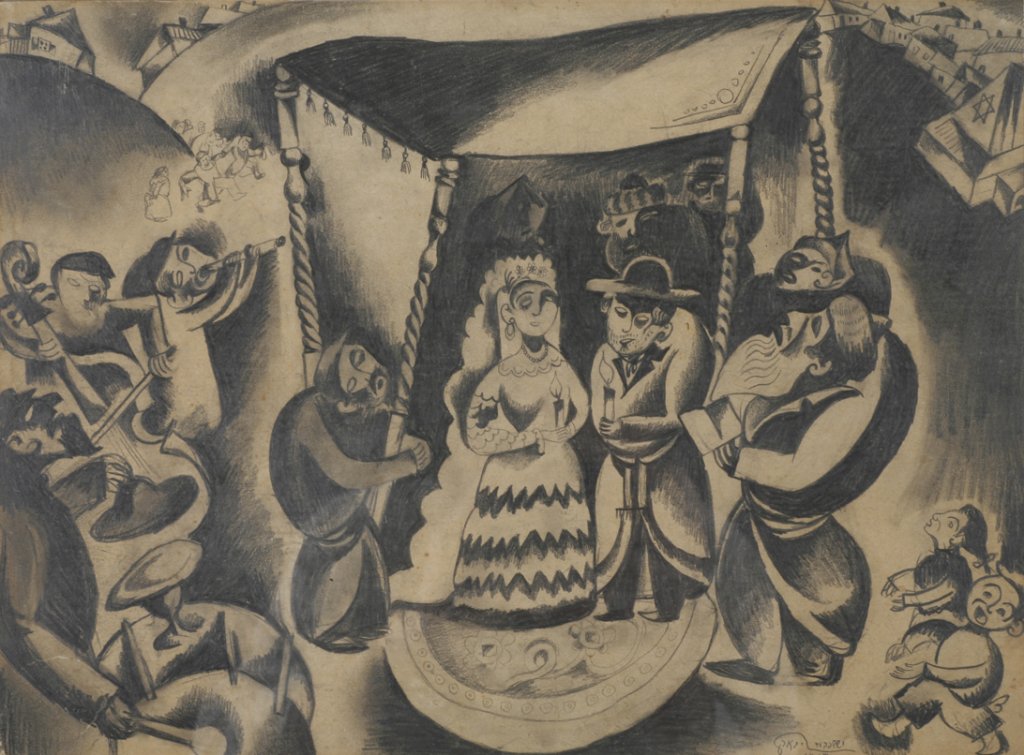
Klezmer is principally secular and social in purpose, set apart from strictly liturgical music even though it shares melodic language rooted in synagogue chant and Jewish prayer. It remains an important marker of Ashkenazi cultural identity and is performed at weddings (weddings), community celebrations and festivals. Scholarly and folk-music surveys place klezmer within broader European folk music interactions while noting its distinct role within Jewish communal life.
Contemporary practice
Today klezmer is both a living folk tradition and a subject of academic study. Ensembles range from small duet or trio formats to larger bands; some groups recreate historic styles, others fuse klezmer vocabulary with contemporary genres. Festivals, workshops and conservatory courses contribute to the music's transmission and adaptation, ensuring that klezmer remains a dynamic field of performance and research.
Related articles
Author
AlegsaOnline.com Klezmer: Jewish Musical Tradition of Eastern Europe Leandro Alegsa
URL: https://en.alegsaonline.com/art/53940