
Klaus Schmidt (archaeologist) — director of Göbekli Tepe excavations
German archaeologist Klaus Schmidt (1953–2014) directed excavations at Göbekli Tepe and reshaped understanding of early Neolithic ritual architecture built before full-scale farming.
Overview
Klaus Schmidt (11 December 1953 – 20 July 2014) was a German archaeologist and university researcher best known for directing excavations at Göbekli Tepe, a monumental Neolithic site in southeastern Turkey. His fieldwork and interpretations played a central role in debates about the social and ritual life of hunter-gatherer groups at the end of the Ice Age. For a brief professional profile see biographical summary.
Image gallery
2 Images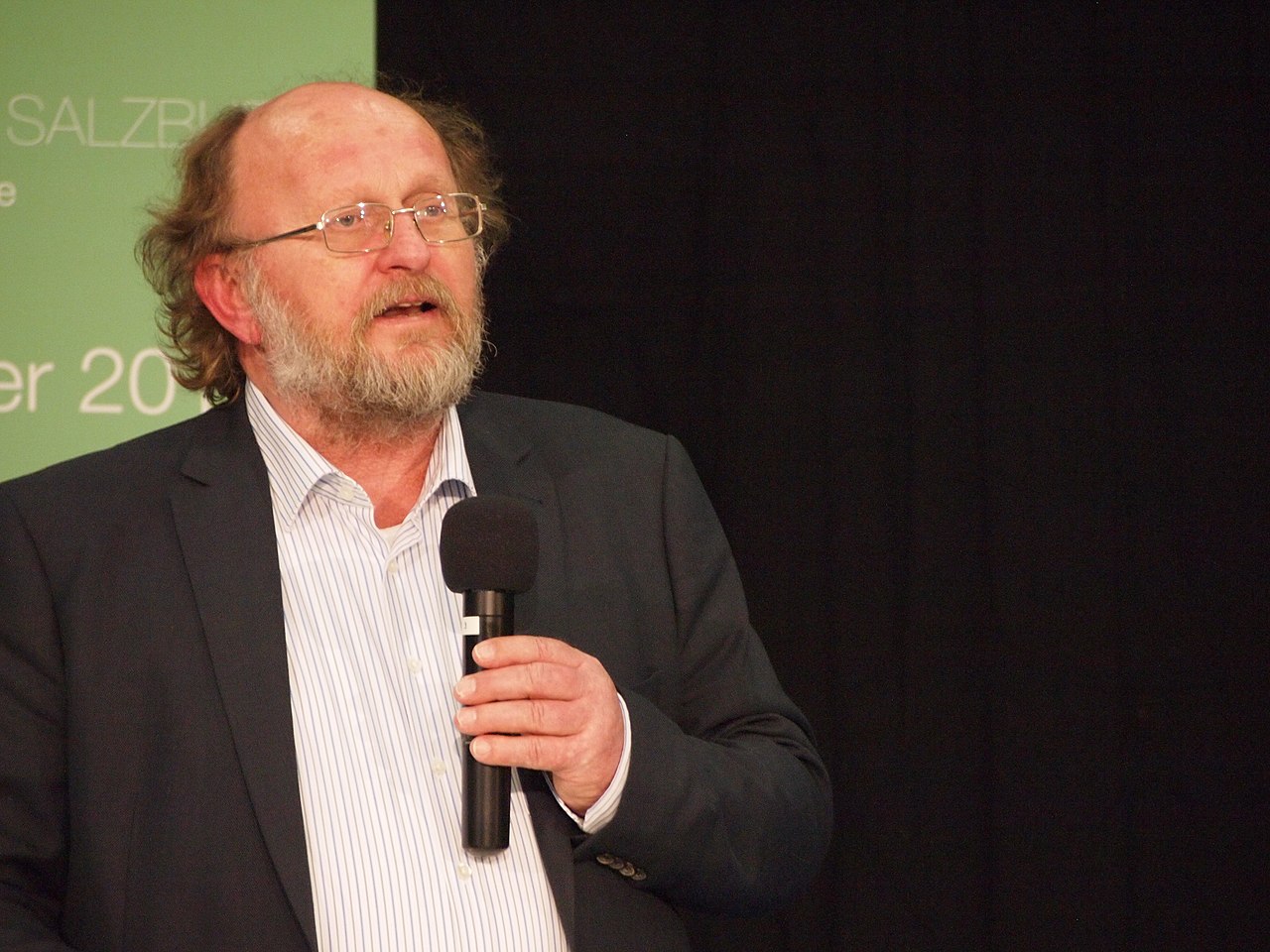

Early life and education
Schmidt was born in Feuchtwangen in Bavaria and maintained ties to the region throughout his life. He pursued formal studies in Prehistory and Early History together with Classical Archaeology and Geology at the Universities of Heidelberg and Erlangen. His multidisciplinary training in archaeology and earth sciences informed his approach to excavation, site formation processes, and interpretation of architectural remains. His birthplace is recorded as Feuchtwangen.
Göbekli Tepe: excavation and interpretation
From the mid-1990s until his death in 2014, Schmidt led systematic work at Göbekli Tepe, uncovering large T-shaped limestone pillars carved with animal motifs and arranged in circular enclosures. Radiocarbon results and stratigraphic contexts place the earliest phases of the site in the Pre-Pottery Neolithic, centuries before widespread plant cultivation. Schmidt argued that the complex functioned primarily as a ritual or ceremonial centre created by mobile or semi-sedentary groups, challenging the assumption that monumental architecture required settled agricultural communities.
Methods, findings and scholarly impact
Schmidt combined careful excavation, stratigraphic analysis and iconographic study to document multiple building phases and elaborate carved reliefs. He emphasized the absence of clear domestic debris in some sectors and the prominence of communal construction and animal imagery. His work encouraged rethinking the sequence of social change during the Neolithic transition and stimulated further research across the Near East. Key outcomes included renewed attention to ritual landscapes, specialised craftsmanship, and the role of communal gatherings before large-scale farming emerged.
Legacy and death
Schmidt published numerous reports and contributed to exhibitions that brought Göbekli Tepe to wide public attention. He supervised students and collaborated with international teams; the excavations and research continued under new direction after his passing. Klaus Schmidt died of a heart attack on 20 July 2014 in Ueckeritz, leaving a lasting influence on studies of early complex societies and monumental architecture.
- Born: 11 December 1953, Feuchtwangen
- Fields: Prehistory, Classical Archaeology, Geology
- Major project: Göbekli Tepe (director, 1996–2014) — see further details
Related articles
Author
AlegsaOnline.com Klaus Schmidt (archaeologist) — director of Göbekli Tepe excavations Leandro Alegsa
URL: https://en.alegsaonline.com/art/53919
Sources
- dainst.org : "Klaus Schmidt (1953-2014)"