
Klaus Rifbjerg (1931–2015) — Danish novelist, poet and cultural figure
Overview of Klaus Rifbjerg, a prolific Danish writer and cultural influencer known for novels, poetry, essays and film work; life, themes, major works and legacy.
Klaus Rifbjerg (15 December 1931 – 4 April 2015) was a central figure in Danish literature after World War II. Over a long career he produced a large and varied body of work—novels, poems, essays, plays and screenplays—and became known for his willingness to experiment with form and to engage with social change. He has been described as one of Denmark's most prolific postwar writers and a public intellectual whose output shaped literary debate for decades. For a concise professional profile see biographical overview.
Image gallery
1 Image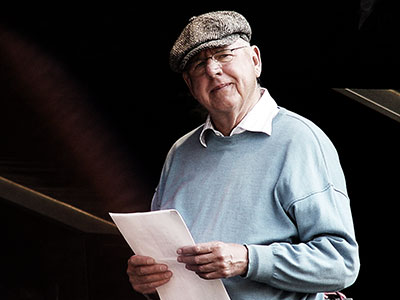
Characteristics and recurring themes
Rifbjerg's writing often explored personal identity, sexuality, and the tensions between tradition and modern life. His prose ranges from realist narratives to modernist experimentation; he could write intimate coming-of-age stories as well as reflective essays. Critics note his sharp eye for social detail and his interest in how private lives intersect with broader cultural shifts. He also worked across media, bringing literary concerns to stage and screen.
Life and development
Rifbjerg was born in Copenhagen and spent his childhood on the island of Amager. He later spent time studying in the United States, including at Princeton University, before returning to Denmark to build his literary career. He published steadily from the 1950s onward and became a prominent voice in debates about art and society. In the mid-1960s he was involved in film production; the movie 4x4, a project in which he participated, was entered into the 4th Moscow International Film Festival in 1965.
Works, forms and selected titles
Rifbjerg's output is extensive; bibliographies list well over a hundred titles. His breakthrough novel, often cited in surveys of Danish literature, is Den kroniske uskyld (The Chronic Innocence), published in 1958. He also wrote poetry, essays and criticism, and his essays and shorter prose have been collected and reissued. For a fuller list of publications see selected bibliography and collections of essays at essay archives.
- Selected works: Den kroniske uskyld (novel), poetry collections, essays and dramatic pieces.
- Film and media: involvement with the film 4x4 and other screen projects.
Legacy and notable facts
Rifbjerg's influence extends beyond his individual books: he helped shape postwar Danish literary taste and public discourse about culture. He received widespread recognition in Denmark and his works have been translated into several languages. He died in Copenhagen after a long illness at the age of 83. More on his life and local context is available from cultural resources in Copenhagen and Danish archives: local biographical sources.
Further research can be started from curated online profiles and library listings that gather his novels, essays and film credits; these resources provide entry points to explore his large and varied oeuvre and his role in Scandinavian literature.
Related articles
Author
AlegsaOnline.com Klaus Rifbjerg (1931–2015) — Danish novelist, poet and cultural figure Leandro Alegsa
URL: https://en.alegsaonline.com/art/53918
Sources
- moscowfilmfestival.ru : "4th Moscow International Film Festival (1965)"
- information.dk : "Klaus Rifbjerg skrev over 150 titler - nu er han død"
- dr.dk : "Forfatteren Klaus Rifbjerg er død"