
Knut Hamsun
Norwegian novelist and Nobel laureate (1920), noted for psychological realism and modernist techniques; remembered for major works like Hunger and Growth of the Soil and for controversial wartime politics.
Overview
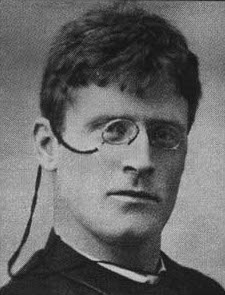
Knut Hamsun (1859–1952) was a Norwegian novelist whose work played a significant role in the development of modern psychological fiction. He received the Nobel Prize in Literature in 1920, cited for his innovative narrative methods and portrayal of rural life and individual consciousness. Hamsun remains both celebrated for his literary achievements and criticized for his political sympathies during the Second World War.
Image gallery
6 Images


Major works and characteristics
Hamsun's writing is characterized by introspective narration, fragmented thought, and an emphasis on inner life more than external plot. His prose often explores the tensions between the individual and society, the pull of nature, and the instincts that shape human behavior.
- Hunger (Sult, 1890) — a landmark psychological novel about a struggling writer.
- Mysteries (Mysterier, 1892) and Pan (1894) — works that further developed his voice and existential themes.
- Growth of the Soil (Markens Grøde, 1917) — an epic portrayal of rural life that contributed to his Nobel recognition.
History and recognition
Hamsun rose to prominence around the turn of the 20th century as European literature shifted toward modernism. His experiments with interior monologue and unreliable narration influenced later writers who explored consciousness and perception. The Nobel Prize affirmed his status as a central figure in Scandinavian letters and ensured wide translation and study of his work.
Controversy and later life
Later in life Hamsun's reputation became contentious due to his public support for Nazi Germany during the occupation of Norway. He wrote a public piece praising Adolf Hitler that was published as an obituary-style note in the Norwegian press; a copy of that text is linked here as an editorial reference: the published piece. After the war his political stance provoked legal and moral scrutiny and altered how readers and scholars assess his legacy.
Legacy and distinctions
Hamsun's novels continue to be read and translated, and his innovations in portraying subjective experience remain influential. At the same time, his wartime conduct complicates his place in literary history: many editions and studies address both his aesthetic contributions and the ethical questions raised by his political choices. Film and stage adaptations of his major works keep his narratives alive, and academic discussion frequently balances formal appreciation with critical context.
Related articles
Author
AlegsaOnline.com Knut Hamsun Leandro Alegsa
URL: https://en.alegsaonline.com/art/54044
Sources
- britannica.com : "Knut Hamsun - Biography & Books"
- aftenposten.no : "Hamsuns nekrolog i Aftenposten etter at Hitler begikk selvmord"
- nbl.snl.no : "Gabriel Langfeldt"
- dagbladet.no : "Hamsuns psykoanalyse er ikke et offentlig anliggende"