
Klaus Schütz — West Berlin mayor, diplomat and SPD politician
Klaus Schütz (1926–2012) was a German Social Democratic politician who served as Mayor of West Berlin (1967–1977), later as ambassador to Israel and as head of Deutsche Welle.
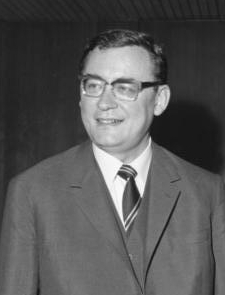
Klaus Schütz (17 September 1926, Heidelberg – 29 November 2012, Berlin) was a German politician of the Social Democratic Party (SPD). He is best known for serving as the Regierender Bürgermeister (Governing Mayor) of West Berlin from 1967 to 1977, a decade that tested the city's role as a democratic outpost during the Cold War.
Image gallery
2 Images
Overview of career
Schütz rose within the SPD after the Second World War and became a leading figure in West Berlin politics. His time in office coincided with major social changes, student movements, and the deep political divisions of Cold War Germany. After leaving the mayoralty he continued in public service at the international level.
Principal offices and roles
- Regierender Bürgermeister (Mayor) of West Berlin, 1967–1977.
- German ambassador to Israel (late 1970s — early 1980s).
- Director-general of the international broadcaster Deutsche Welle in the 1980s.
These roles placed him at the intersection of local governance, international diplomacy and media policy, reflecting a transition from municipal leadership to representation of the Federal Republic abroad and to public broadcasting administration.
Context and significance
As mayor, Schütz confronted the practical and symbolic challenges of running a divided city: managing housing, transport and social services while West Berlin remained surrounded by East German territory. His tenure saw public debates about student activism, changes in social policy, and an evolving relationship between West Germany and its Eastern neighbours during the era of Ostpolitik. Observers note that mayors of West Berlin had amplified political visibility because of the city's geopolitical role.
Later life and legacy
After municipal politics he served as a diplomat and later in media leadership, roles that underlined his interest in Germany's international position and public communication. He remained a respected figure in the SPD and in Berlin civic life until his death in 2012. For further reading and archival materials, see biographical references and official records (biography, archival sources).
Schütz's career illustrates the responsibilities of municipal leaders in Cold War Europe and the pathways from local office to national and international responsibilities. His decade as mayor is often cited in studies of Berlin's postwar governance and changing social landscape.
Related articles
Author
AlegsaOnline.com Klaus Schütz — West Berlin mayor, diplomat and SPD politician Leandro Alegsa
URL: https://en.alegsaonline.com/art/53920
Sources
- berlin.de : Official biography at Berlin.de
- tagesspiegel.de : tagesspiegel.de
- bundesrat.de : Website of the Bundesrat