
Klaus Kinkel (1936–2019) — German lawyer, diplomat and liberal politician
German jurist and FDP politician Klaus Kinkel served as Justice Minister, Foreign Minister and Vice Chancellor in the 1990s and led the Federal Intelligence Service and the Free Democratic Party.
Klaus Kinkel (17 December 1936 – 4 March 2019) was a German lawyer, public official and politician known for senior posts in government and intelligence. A long-standing member of the Free Democratic Party (FDP), he combined legal training with a career in the civil service and later became a prominent figure in federal politics.
Image gallery
5 Images
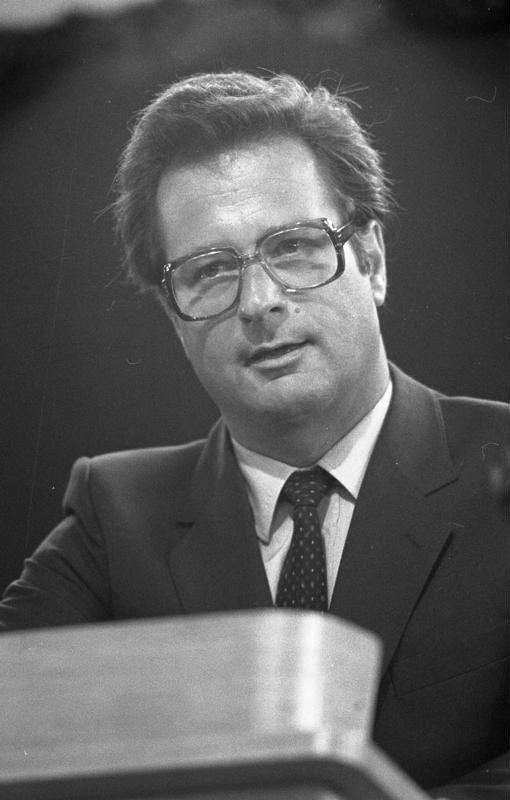


Early life and professional background
Kinkel was born in Metzingen, in what is today Baden-Württemberg. Trained as a lawyer, he entered the federal civil service and rose through legal and administrative ranks before taking on leadership roles. His early career established him as a specialist in legal and institutional matters, which informed his later ministerial responsibilities.
Senior offices and timeline
Across three decades Kinkel held a sequence of high-profile positions in the German state. Highlights include:
- President of the Federal Intelligence Service (BND), 1979–1982;
- Federal Minister of Justice, 1991–1992;
- Federal Minister of Foreign Affairs, 1992–1998;
- Vice Chancellor of Germany, 1993–1998, serving in the government of Helmut Kohl and working alongside coalition partners.
These roles combined legal, diplomatic and executive responsibilities and made him a central actor in Germany’s post‑Cold War diplomacy.
Political leadership and policy focus
Within the FDP Kinkel served as party chairman from 1993 to 1995, attempting to modernize the party’s profile in a changing Europe. As foreign minister he addressed challenges of the 1990s, including European integration and responses to crises in the Balkans; his tenure reflected an emphasis on multilateral diplomacy, human rights considerations and Germany’s evolving international role.
Kinkel’s time in intelligence and justice roles also shaped debates about oversight, civil liberties and the balance between security and legal safeguards. Colleagues and commentators noted his legalist approach and preference for institutional solutions over populist rhetoric.
Later years and legacy
After leaving frontline politics Kinkel remained an influential voice in discussions about foreign policy and European affairs. He died on 4 March 2019 in Sankt Augustin, located in North Rhine-Westphalia, aged 82. His career is often cited as an example of a post‑war German statesman who moved between intelligence, justice and diplomacy while leading a liberal party through a period of national and continental transition.
For further reading on aspects of his life and work see targeted summaries and archival material on civil service, party leadership and foreign policy developments during the 1990s. Additional context about the role of a senior civil servant in Germany may clarify the institutional settings in which he worked, and his period as Vice Chancellor remains a reference point in discussions of coalition governance.
Related articles
Author
AlegsaOnline.com Klaus Kinkel (1936–2019) — German lawyer, diplomat and liberal politician Leandro Alegsa
URL: https://en.alegsaonline.com/art/53917
Sources
- zdf.de : Prägende Figur der FDP – Ex-Außenminister Klaus Kinkel ist tot