
Kitakyūshū: northern Kyūshū city, industry, transport and environmental recovery
Kitakyūshū is a government-designated city in Fukuoka Prefecture, Kyūshū, Japan, known for heavy industry, a major port and transport links, and notable post-industrial environmental remediation and recycling efforts.
Overview
Kitakyūshū (literally "Northern Kyūshū") is a government-designated city in Fukuoka Prefecture, on the island of Kyūshū in Japan. The modern municipality was created by the merging of several neighbouring cities and grew into a major urban and industrial centre. The metropolitan population is around one million people, making Kitakyūshū one of the larger cities outside Japan's largest metropolitan areas.
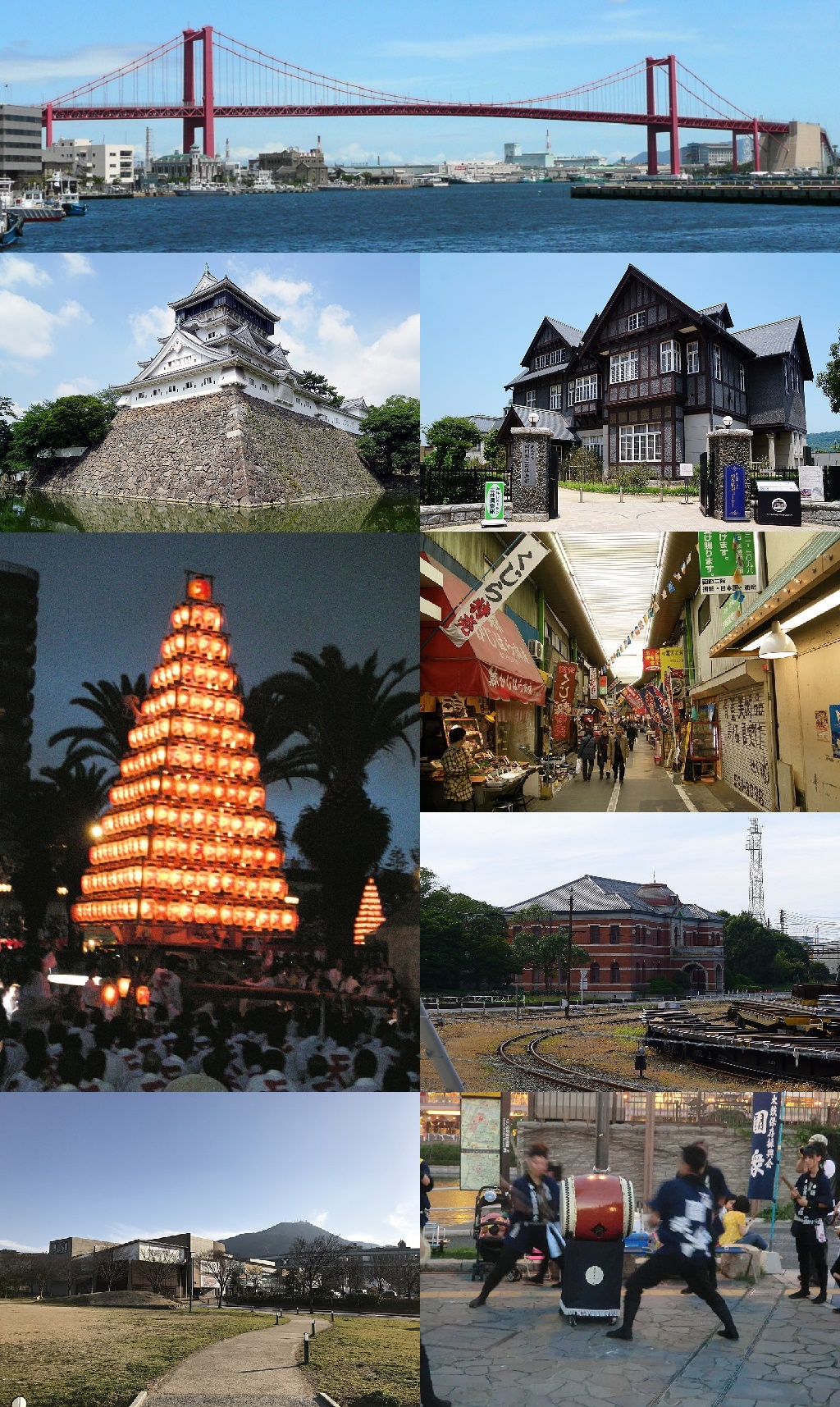
Image gallery
10 Images



History
The area's industrialisation accelerated in the late 19th and early 20th centuries. Coal mining and iron and steel production established a durable manufacturing base: sites such as the historic Yahata steelworks became symbols of heavy industry. Over decades the urban fabric developed around shipyards, foundries and automotive suppliers, shaping both economy and community life.
Geography and transport
Kitakyūshū occupies a strategic position at the northeastern tip of Kyūshū, facing the Kanmon Straits that separate Kyūshū from Honshu. The city has a major port and extensive coastal industrial zones. It is served by high-speed rail: Kitakyūshū has Shinkansen access that links the city to Fukuoka (Hakata) and, via the national network, to the wider Honshu and Tokyo. Local roads, ferries and bridges provide connections for passengers and freight.
Industry and economy
Traditional heavy industries remain visible: iron and steel production, shipbuilding and automotive-related manufacturing continue alongside a range of industrial suppliers and factories. The city's port and logistics sectors support exports and imports, while newer firms and research centres have diversified the local economy beyond extractive activities such as coal mining and other resource-based operations historically linked to the area (mining heritage).
Environmental recovery and recycling
Following intense industrial development, Kitakyūshū became known within Japan and abroad for policies to reduce emissions, remediate polluted sites and improve urban environmental quality. Municipal authorities, academic institutions and companies implemented measures to clean waterways, control industrial discharge and improve air quality. The city also developed organized recycling and resource-recovery programmes and facilities, and these efforts are commonly cited in discussions of municipal pollution control and sustainable industrial transition (pollution control).
Culture, urban life and redevelopment
Kitakyūshū combines industrial zones with residential neighbourhoods, parks, universities and cultural institutions. Urban redevelopment projects have repurposed former factory areas for public use, technology incubators and cultural venues. Tourism includes visits to industrial heritage sites and coastal scenery, and local civic initiatives emphasise quality of life alongside economic vitality.
Key points and further reading
- Administrative region: Fukuoka Prefecture
- Island: Kyūshū
- Nation: Japan
- Industry overview: industrial profile, steel industry, factories
- Historic mining: coal mining, mining heritage
- Environmental and recycling programmes: pollution control, recycling initiatives
- Transport: Shinkansen connections, link to Fukuoka (Hakata) and Tokyo
These entries offer starting points for more detailed exploration of Kitakyūshū's administrative status, geography, industrial history, environmental recovery programmes and transport links.
Questions and answers
Q: What does Kitakyūshū mean in English?
A: Kitakyūshū means "Northern Kyūshū" in English.
Q: Where is Kitakyūshū located?
A: Kitakyūshū is located in Fukuoka Prefecture, Kyūshū, Japan.
Q: What type of city is Kitakyūshū?
A: Kitakyūshū is a city designated by government ordinance.
Q: What is Kitakyūshū known for?
A: Kitakyūshū is known for being an important industrial city, with steel factories, coal mines and car factories. It is also known for reducing pollution and having an important recycling facility.
Q: How large is the population of Kitakyūshū?
A: The population of Kitakyūshū is almost one million people.
Q: What transportation infrastructure does Kitakyūshū have?
A: Kitakyūshū is located on the main Shinkansen line between Fukuoka and Tokyo.
Q: Is Kitakyūshū a newly formed city?
A: No, Kitakyūshū was known as a region before neighboring cities grew together.
Related articles
Author
AlegsaOnline.com Kitakyūshū: northern Kyūshū city, industry, transport and environmental recovery Leandro Alegsa
URL: https://en.alegsaonline.com/art/53839
Sources
- books.google.com : "Kita-Kyūshū"
- books.google.com : New Regional Development Paradigms, p. 113
- books.google.com : Urban and Industrial Management in Developing Countries, p. 5