
Kirkkonummi — municipality in Uusimaa, Finland
Kirkkonummi is a coastal municipality in Uusimaa, Finland. Founded in 1330, it combines rural areas, archipelago and commuter suburbs near Helsinki with a mainly Finnish-speaking population.
Kirkkonummi (Swedish: Kyrkslätt) is a municipality (municipality) located in the region of Uusimaa in Finland. The municipality covers an area of about 393.3 square kilometres and had a population of nearly 38,000 people in January 2014. Kirkkonummi combines coastal scenery on the Gulf of Finland with forests, farmland and built suburbs that serve both local life and commuters to the capital area.
Image gallery
5 Images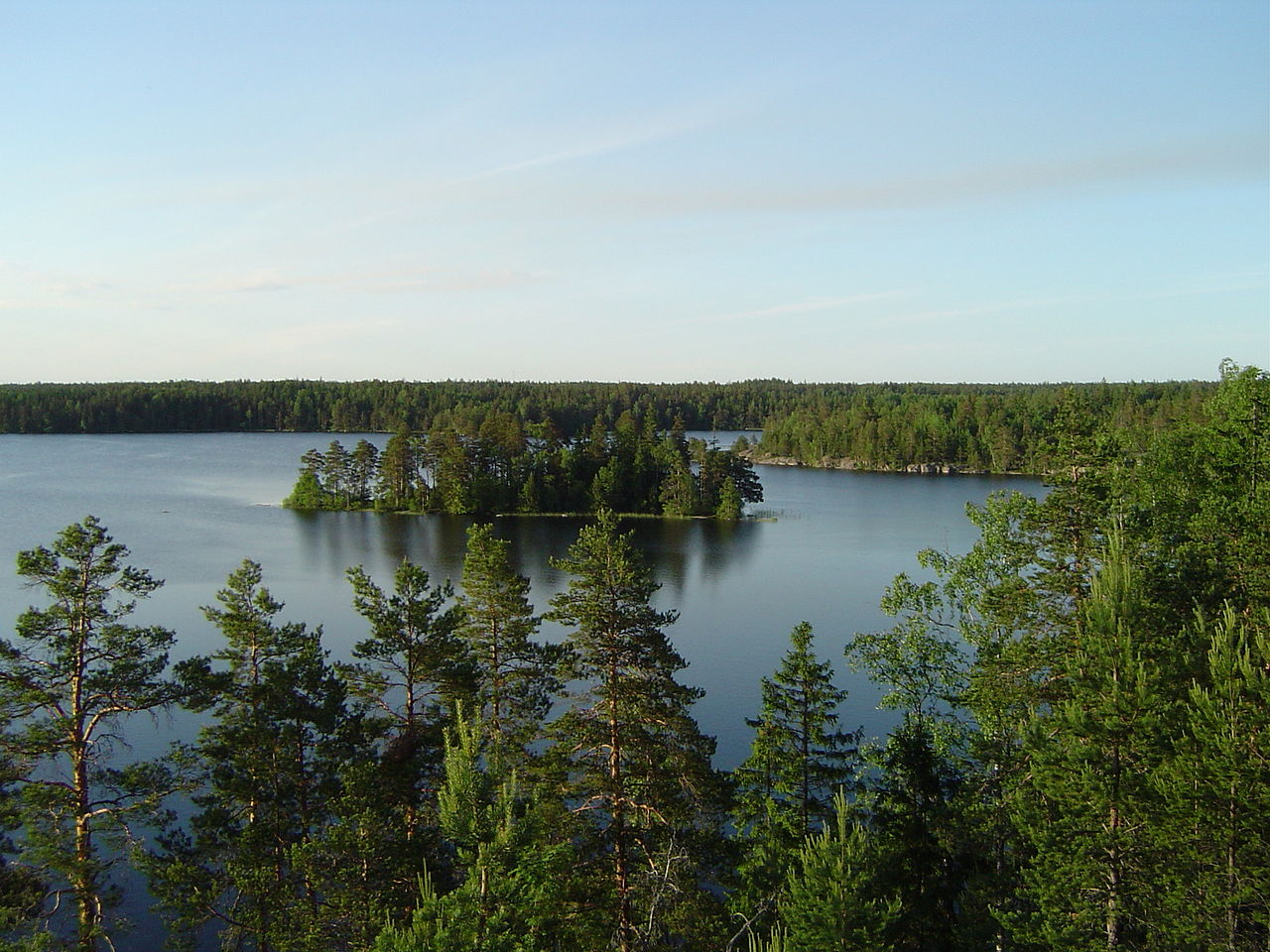



Geography and population
Kirkkonummi lies close to the Helsinki metropolitan area and is well within the capital region's commuter belt. Most inhabitants speak Finnish as their first language — roughly eighty percent — while Swedish and other languages are spoken by smaller groups (Finnish is the dominant language). The municipality borders several others; the nearest large city is Helsinki, and neighbouring municipalities include Espoo, Vihti and Siuntio.
History
Kirkkonummi's origins date back to the Middle Ages; the settlement grew around an early parish and the name and administrative unit have been recorded since the 14th century, with a foundation traditionally dated to 1330. In the 20th century the area was affected by international events: following World War II the nearby Porkkala area was leased to the Soviet Union for several years before being returned to Finland in 1956. Over time Kirkkonummi has developed from a rural parish into a mixed municipality with both historic villages and modern residential areas.
Economy and transport
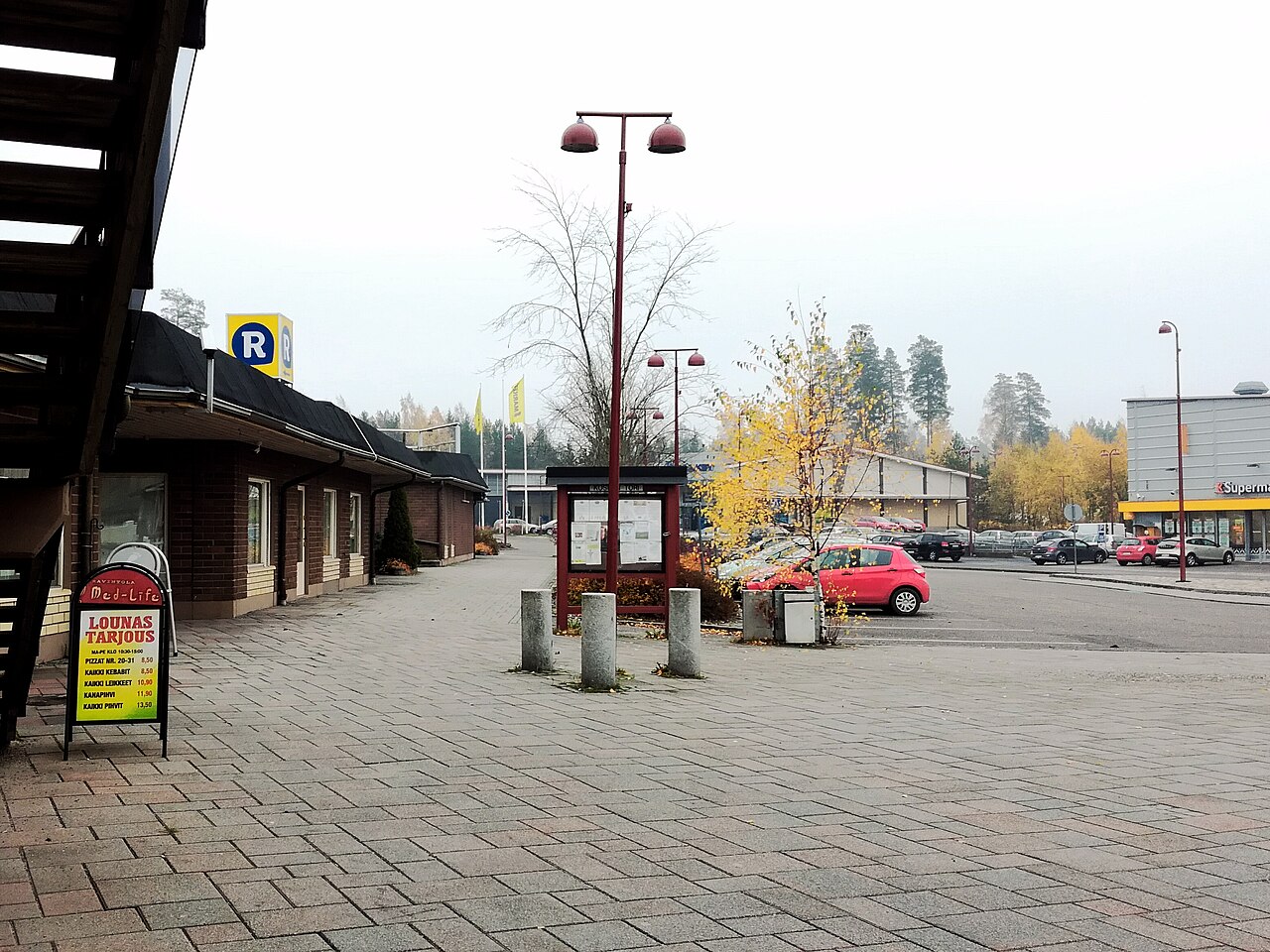
The local economy is diverse and shaped by its proximity to Helsinki. Many residents commute to jobs in the capital region, while others work locally in services, small industry, agriculture and tourism. Kirkkonummi is served by regional roads and the Finnish commuter rail network, offering regular connections toward Helsinki and beyond. These transport links make the municipality attractive for people seeking a quieter home outside the central city while retaining access to urban employment and services.
Culture, nature and landmarks
Natural features are an important part of Kirkkonummi's identity: shoreline, islands and inland forests provide opportunities for boating, hiking and outdoor recreation. The municipal centre and surrounding villages contain churches, manor houses and cultural venues that reflect local history and traditions. Seasonal events, local clubs and nature conservation projects contribute to community life.
Notable facts and distinctions
- Established as a parish and administrative unit in the medieval period (commonly cited as 1330).
- Close commuter links to the Finnish capital, Helsinki, make it part of the wider metropolitan area.
- A bilingual heritage: Finnish majority with historical Swedish-speaking presence (Swedish name: Kyrkslätt).
- Part of the region of Uusimaa and within easy reach of neighbouring municipalities such as Espoo.
Related articles
Author
AlegsaOnline.com Kirkkonummi — municipality in Uusimaa, Finland Leandro Alegsa
URL: https://en.alegsaonline.com/art/53775