
Kirby's Adventure (1993 NES) — Introduction of Kirby's copy abilities and Dream Land quest
Kirby's Adventure (1993, NES) — HAL Laboratory/Nintendo side‑scrolling platformer that introduced Kirby's copy abilities as he journeys through Dream Land to restore the Fountain of Dreams; later remade for GBA.
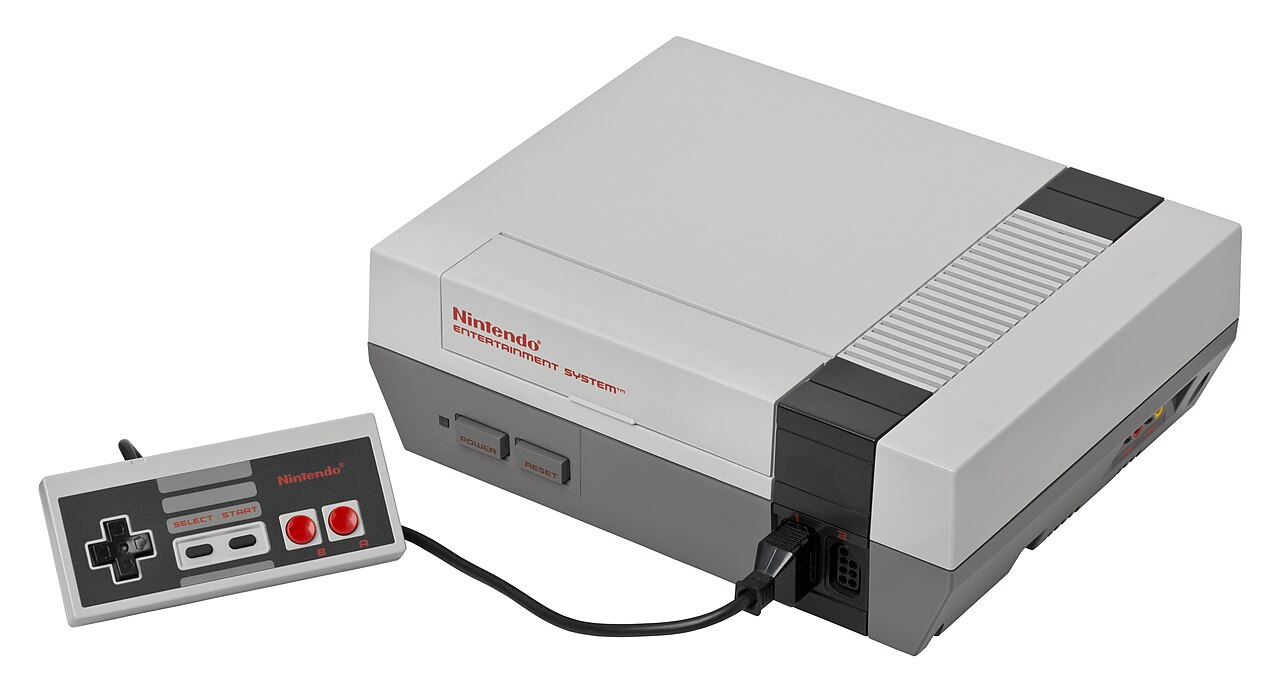
Kirby's Adventure (Japanese title: Hoshi no Kabi: Yume no Izumi no Monogatari — Hoshi no Kābī Yume no Izumi no Monogatari, lit. "Kirby of the Stars: The Story of the Fountain of Dreams") was released in 1993 for the Nintendo Entertainment System. Developed by HAL Laboratory and published by Nintendo, it is a side‑scrolling platform video game. The title was later remade for the Game Boy Advance under the name Kirby: Nightmare in Dream Land. The Japanese market is referenced in the game's original title and promotion; see Japan for cultural context.
Image gallery
5 Images


Overview
Kirby's Adventure follows the pink protagonist Kirby as he explores Dream Land. Compared with the series' first game, this entry expanded gameplay mechanics and level design. Notably, it established a recurring mechanic that allows Kirby to absorb and use certain enemy abilities by inhaling them, a feature that became central to subsequent games.
Gameplay
- Players guide Kirby through a sequence of stages that mix platforming, puzzles, and combat.
- Kirby can inhale foes and objects to swallow or spit them, and in this game certain swallowed enemies grant temporary special powers.
- The game is organized into themed worlds with multiple levels and boss encounters at the end of each world.
- Hidden items and bonus rooms encourage exploration beyond mere forward movement.
Story
The plot centers on the Fountain of Dreams, a source of peaceful slumber for Dream Land. When that fountain is corrupted and its power stolen, Kirby sets out to restore the fountain and confront the force behind the disturbance.
Development and release
Created by HAL Laboratory and distributed by Nintendo, the game was produced for the 8‑bit hardware of the Nintendo Entertainment System. Its presentation and new mechanics were designed to take advantage of the system's capabilities late in the console's life cycle.
Years after the original release, a modernized remake appeared on the Game Boy Advance, titled Kirby: Nightmare in Dream Land. The remake updated visuals and added features while retaining the core levels and structure of the NES version.
Legacy
Kirby's Adventure is often cited as an important early entry in the Kirby series for introducing gameplay elements that persisted in later titles. Its combination of approachable controls, inventive enemy abilities, and varied stage design helped define the character's identity and influenced subsequent platform games in the franchise.
Related articles
Author
AlegsaOnline.com Kirby's Adventure (1993 NES) — Introduction of Kirby's copy abilities and Dream Land quest Leandro Alegsa
URL: https://en.alegsaonline.com/art/53737