
Kingdom of Hungary (1000–1918; 1919–1946)
Central European monarchy founded under Saint Stephen around 1000; evolved through medieval, Ottoman and Habsburg eras, entered the Austro‑Hungarian dual monarchy (1867), and ceased as a monarchy in 1946.
Overview
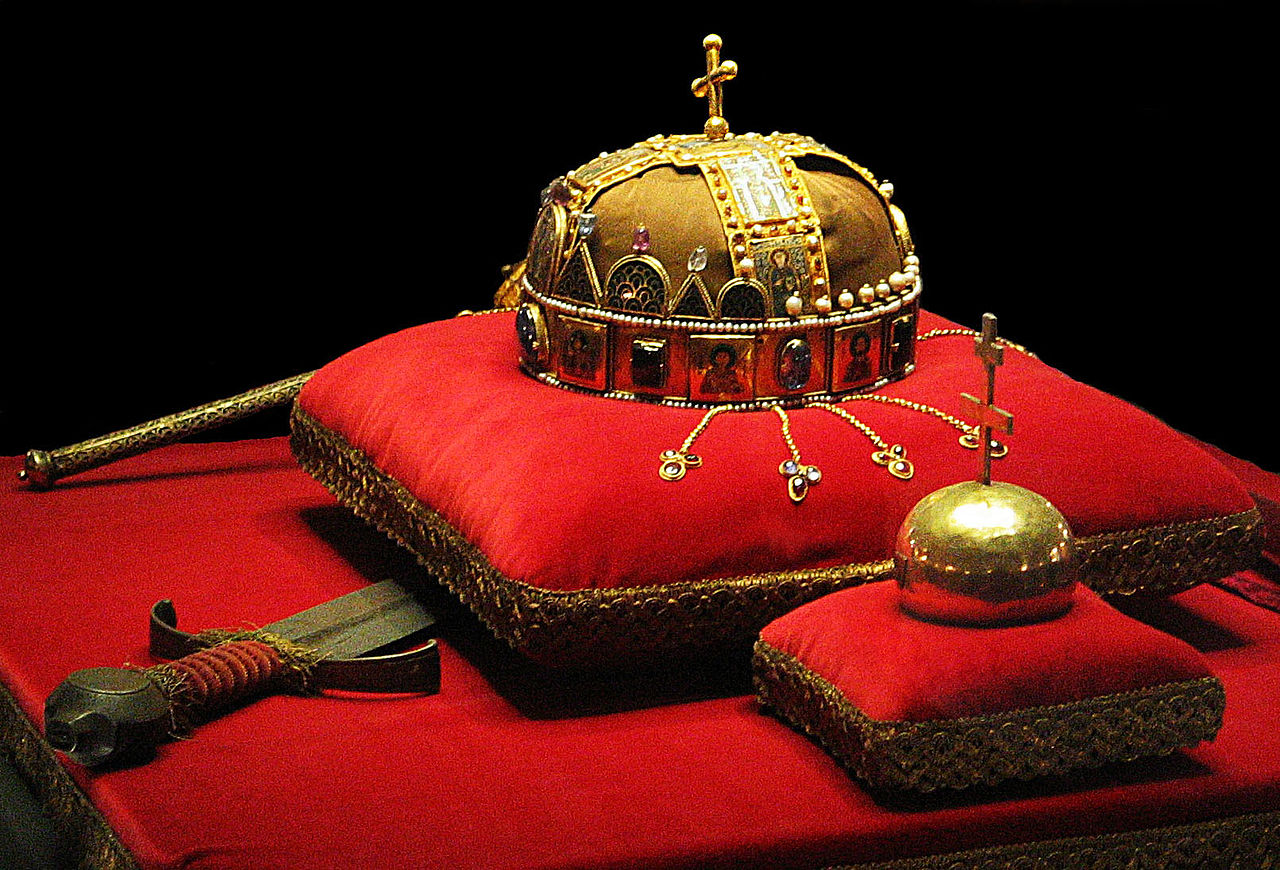
The Kingdom of Hungary was a Central European state whose institutional life began with the crowning of Stephen I around the year 1000. Centered on the Carpathian Basin, it developed distinctive political, legal and cultural traditions while experiencing large territorial and constitutional changes over almost a millennium. The Holy Crown of Saint Stephen served as a potent symbol of continuity and legitimacy.
Image gallery
10 Images



Territory and government
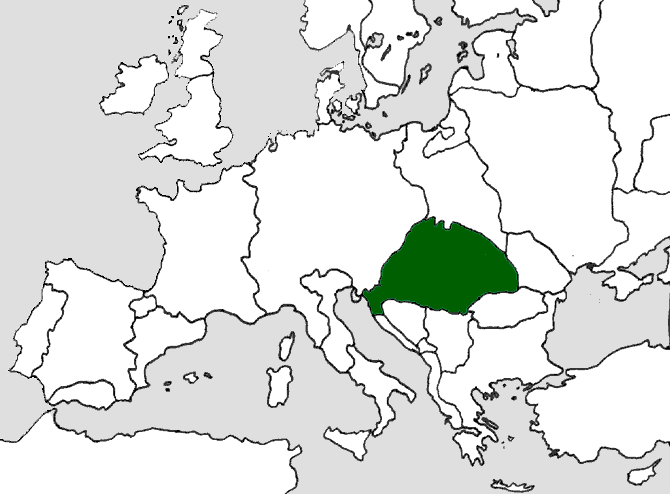
The kingdom's extent varied greatly over time, at different moments including most of present‑day Hungary and substantial parts of neighbouring lands. Its political structure combined a hereditary monarchy, a landed nobility organized in counties, and representative bodies such as the medieval and early modern Diet. Local estates and regional institutions retained influence alongside the crown through much of the kingdom's history.
Historical development
After consolidation under the Árpád dynasty, Hungary Christianized and integrated into European political networks. Medieval landmark events include the issuance of noble privileges and the Golden Bull tradition that limited royal power. The mid‑16th century defeat at Mohács led to Ottoman conquest of large regions and a tripartite division: Habsburg‑ruled Royal Hungary, Ottoman central provinces, and the semi‑independent Principality of Transylvania. The Habsburgs later reasserted control over most Hungarian lands and incorporated them into their imperial structures.
The early modern period saw periodic uprisings and legal negotiations over Hungarian rights, including major resistance movements. In the 19th century, reform, the 1848 revolution and subsequent repression preceded the Austro‑Hungarian Compromise of 1867, which created the Dual Monarchy and granted Hungary wide internal autonomy. The First World War and the 1920 Treaty of Trianon produced dramatic territorial losses and a reconfiguration of the state's borders and population. The postwar era included a short revolutionary interlude and then a regency under Admiral Miklós Horthy; the monarchy was not restored with a crowned king and was formally abolished in 1946 after the Second World War.
Society, culture and economy
Magyar language and traditions formed a strong national core within a multiethnic realm that included Slovaks, Romanians, Germans and other communities. For centuries the economy remained primarily agrarian, with rural estates and peasant agriculture dominant; the 19th century brought industrialization, urbanization and the growth of modern transport and education networks. Budapest, formed by the unification of Buda and Pest in the late 19th century, became the kingdom's cultural and economic center, noted for architecture, literature, legal scholarship and scientific life.
Legacy and notable facts
- The Crown of Saint Stephen symbolized the continuity of statehood and constitutional tradition.
- Medieval and early modern legal institutions, including the county system and noble privileges, influenced later Hungarian administration.
- Territorial and demographic changes after World War I remain central to regional politics and memory in Central Europe.
The Kingdom of Hungary left a lasting impact on regional institutions, languages, cultural life and borders. Its history illustrates the interaction of medieval state formation, imperial politics, nationalist movements and the upheavals of the 20th century.
Related articles
Author
AlegsaOnline.com Kingdom of Hungary (1000–1918; 1919–1946) Leandro Alegsa
URL: https://en.alegsaonline.com/art/53597