
Kingdom of Kerma: Nubian power and culture in Upper Nile (c.2500–1520 BC)
Kerma was an independent Nubian kingdom centred at the city of Kerma near the Third Cataract. It developed distinctive art, large tumuli and trade ties with Egypt before its incorporation into the New Kingdom.
Overview
The Kingdom of Kerma was a major state in the Nile valley of ancient Nubia, flourishing roughly between 2500 and 1520 BC. Its political and cultural centre was the walled city of Kerma, located near the Third Cataract of the Nile. As a regional power it controlled trade routes, local production of gold and other resources, and maintained complex relations—both hostile and commercial—with neighbouring polities. Modern study treats Kerma as a distinctive civilisation within the broader history of Nubia, with social institutions and artistic traditions of its own rather than as merely an offshoot of Egypt.
Image gallery
10 Images




Characteristics and material culture
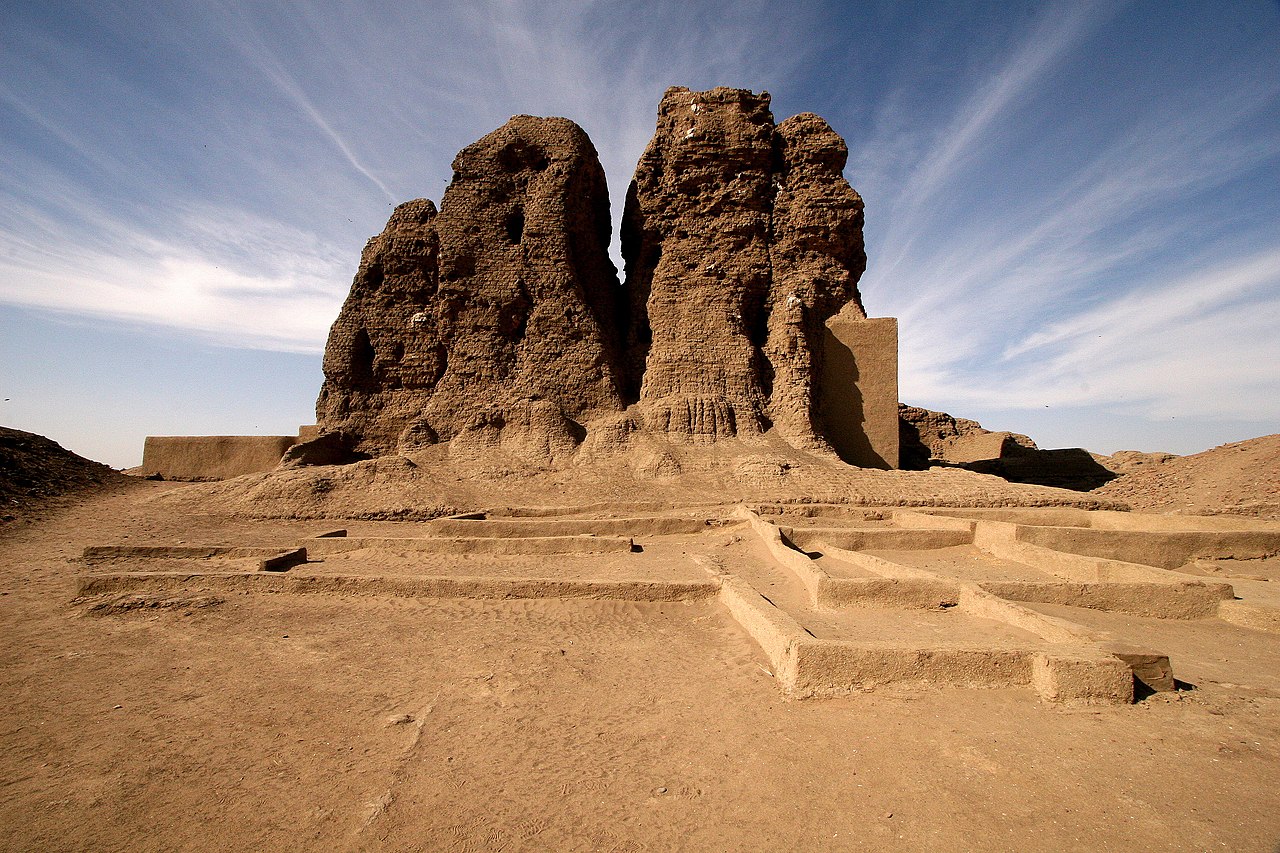
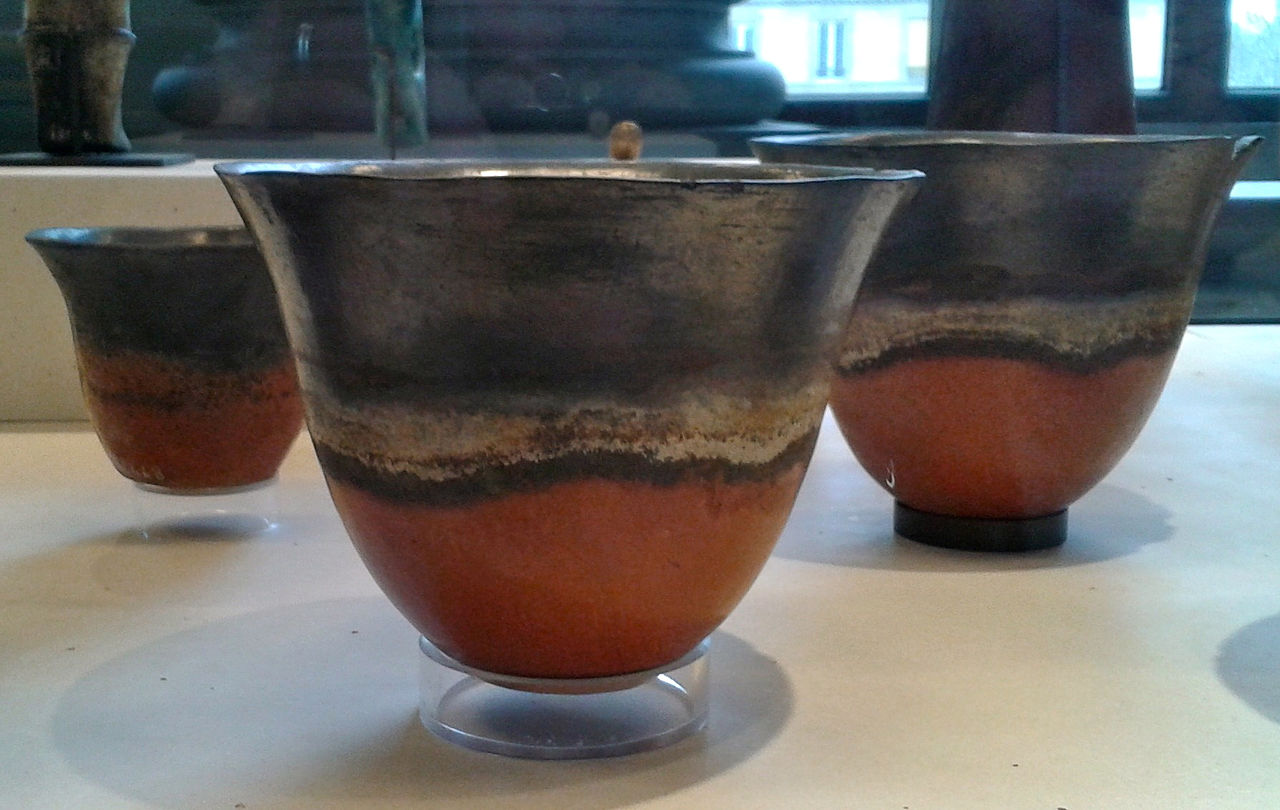
Kerma is notable for several striking material features that reflect its social structure and craft specializations. The site contains an extensive occupation area and a monumental cemetery with hundreds of large tumuli (burial mounds). Excavations have revealed vaulted and pit tombs with lavish grave goods, including locally produced stone and metalwork, richly decorated pottery, and textiles indicated by preserved impressions. The monumental mud-brick structures known as deffufas are thought to have had ceremonial or public functions and stand among the most distinctive architectural remains.
- Prominent tumuli and elite burials, often richly furnished
- Distinctive pottery and ceramic styles that identify regional workshops
- Large mud-brick public/ritual buildings (deffufas)
- Trade goods such as gold, ivory and ebony moving along Nile and desert routes
History and relations with Egypt
The fortunes of Kerma were closely linked to developments in Egypt. During Egypt's Middle Kingdom and later periods the two polities interacted through trade, diplomacy and military conflict. Egyptian texts and archaeological evidence attest both to Egyptian expeditions into Nubia and to Nubian influence in border regions. At times Kerma appears to have been an independent, centralized kingdom with territorial control over Upper Nubia; at other moments it engaged in negotiated coexistence or open confrontation with Egyptian forces under Middle and New Kingdom administrations. Scholars often discuss Kerma in the wider context of Nile valley connectivity and long-term shifts in political control.
For background on the Egyptian chronological frame that overlaps Kerma's apex, see discussions of the Middle Kingdom and later periods in comparative studies.
Archaeology and notable discoveries
Kerma has been investigated by successive archaeological teams since the early 20th century. Early excavations brought substantial collections to foreign museums, while later work—especially by Swiss-led missions—has emphasized systematic study in situ, conservation and contextual publication. Important finds include large funerary complexes, craft workshops, and imported objects testifying to interregional exchange. Ceramic assemblages from Kerma are especially informative about chronology and social practice; these locally-made wares have been the subject of focused typological and compositional study (ceramics and pottery studies).
In 2003 a major discovery at Kerma received international attention when a temple context yielded large granite statues of later rulers associated with the Nubian kingdom that rose to power much later. These monumental sculptures include representations identified as pharaohs of the Kushite or "Nubian" line; their presence at Kerma documents the enduring political and ceremonial importance of the site long after the classic Kerma phase (pharaonic statues).
Legacy and significance
Kerma occupies a pivotal place in Nile valley history as a centre of indigenous Nubian state formation before Egyptian domination in the New Kingdom. Its material culture demonstrates regional creativity and long-distance commerce. Modern archaeological and anthropological work at Kerma continues to reshape understandings of early African polities, identity, and interaction across the Sahara and the Nile. For comparative perspectives on Kerma's interactions with neighbouring polities, see general treatments of ancient Egypt and regional studies that integrate archaeological, environmental and textual data.
Researchers continue to study Kerma's urban layout, funerary customs, craft production and role in wider exchange networks. The site remains central to debates about how complex societies in northeastern Africa emerged, adapted and influenced one another across millennia.
Questions and answers
Q: What was the Kingdom of Kerma?
A: The Kingdom of Kerma was a state in Nubia from around 2500 BC to about 1520 BC.
Q: Where was the Kingdom of Kerma based?
A: It was based in the city of Kerma in Upper Nubia.
Q: Was the Kingdom of Kerma a major centre during the Middle Kingdom period of Egypt?
A: Yes, it was.
Q: What is significant about the ceramics found in Kerma?
A: They are very fine and original, which suggests a distinct civilization.
Q: What can be found at the site of Kerma?
A: Both an extensive town and a cemetery consisting of large tumuli can be found at the site.
Q: How did the Egyptian statues and other objects at Kerma arrive there?
A: Scholars think they arrived through trade, as Kerma provides examples of Nubian culture and burial practices.
Q: What did the Swiss archaeological team discover at Kerma in 2003?
A: They discovered a ditch within a temple from the ancient city of Pnoubs, which contained seven monumental black granite statues sculpted to portray five pharaonic rulers, including Taharqa and Tanoutamon - the last two pharaohs of the "Nubian" Dynasty.
Related articles
Author
AlegsaOnline.com Kingdom of Kerma: Nubian power and culture in Upper Nile (c.2500–1520 BC) Leandro Alegsa
URL: https://en.alegsaonline.com/art/53601