
Armenian Apostolic Church: history, beliefs, structure, and cultural role
The Armenian Apostolic Church is an ancient Oriental Orthodox national church founded in the early centuries of Christianity, central to Armenian religious life, culture, and diaspora communities.
Overview
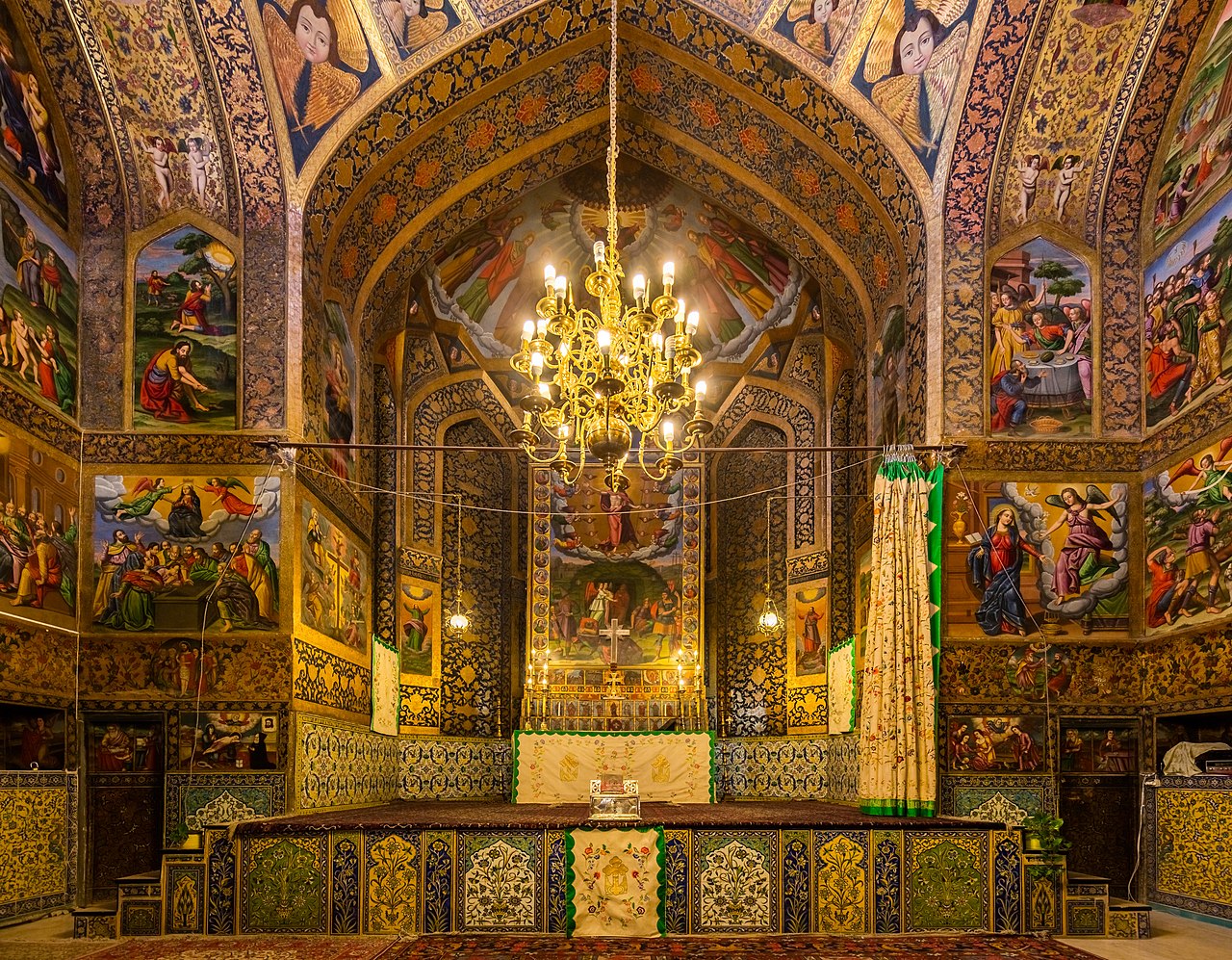
The Armenian Apostolic Church, also known as the Armenian Orthodox or the Gregorian Church, is the national church historically associated with the Armenian people. It is widely regarded as one of the oldest national churches in Christendom and as one of the most ancient Christian communities. The church's Armenian name is often written in liturgical and cultural contexts as Հայ Առաքելական Եկեղեցի.
Image gallery
10 Images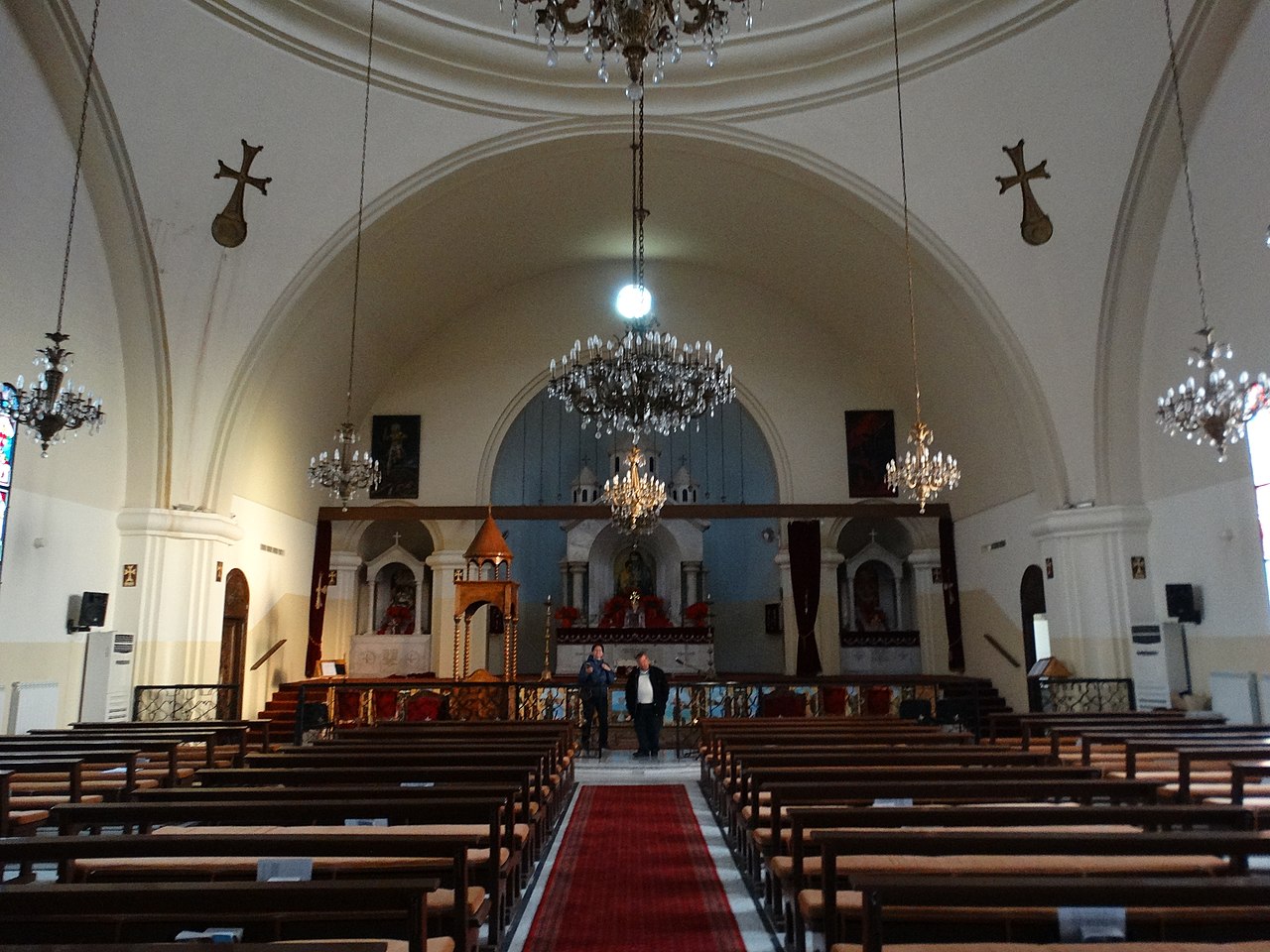





Beliefs and liturgy
The church belongs to the family of Oriental Orthodox churches and adheres to the theological tradition commonly described as miaphysitism, distinguishing it from the Chalcedonian churches. Worship follows the Armenian Rite, celebrated in Classical Armenian (Grabar) alongside modern languages in diaspora parishes. The liturgy emphasizes sacramental life, a historic liturgical music tradition, and an annual cycle of feasts tied to Armenian custom.
Organization and leadership
At the center of ecclesiastical life stands the Catholicos of All Armenians, whose seat is at Etchmiadzin in present-day Armenia. In addition to Etchmiadzin, the church includes other historic sees and patriarchates. Major centers include:
- The Mother See of Holy Etchmiadzin (Catholicosate of All Armenians)
- The Catholicosate of the Great House of Cilicia
- The Armenian Patriarchates of Constantinople and Jerusalem
History and cultural significance
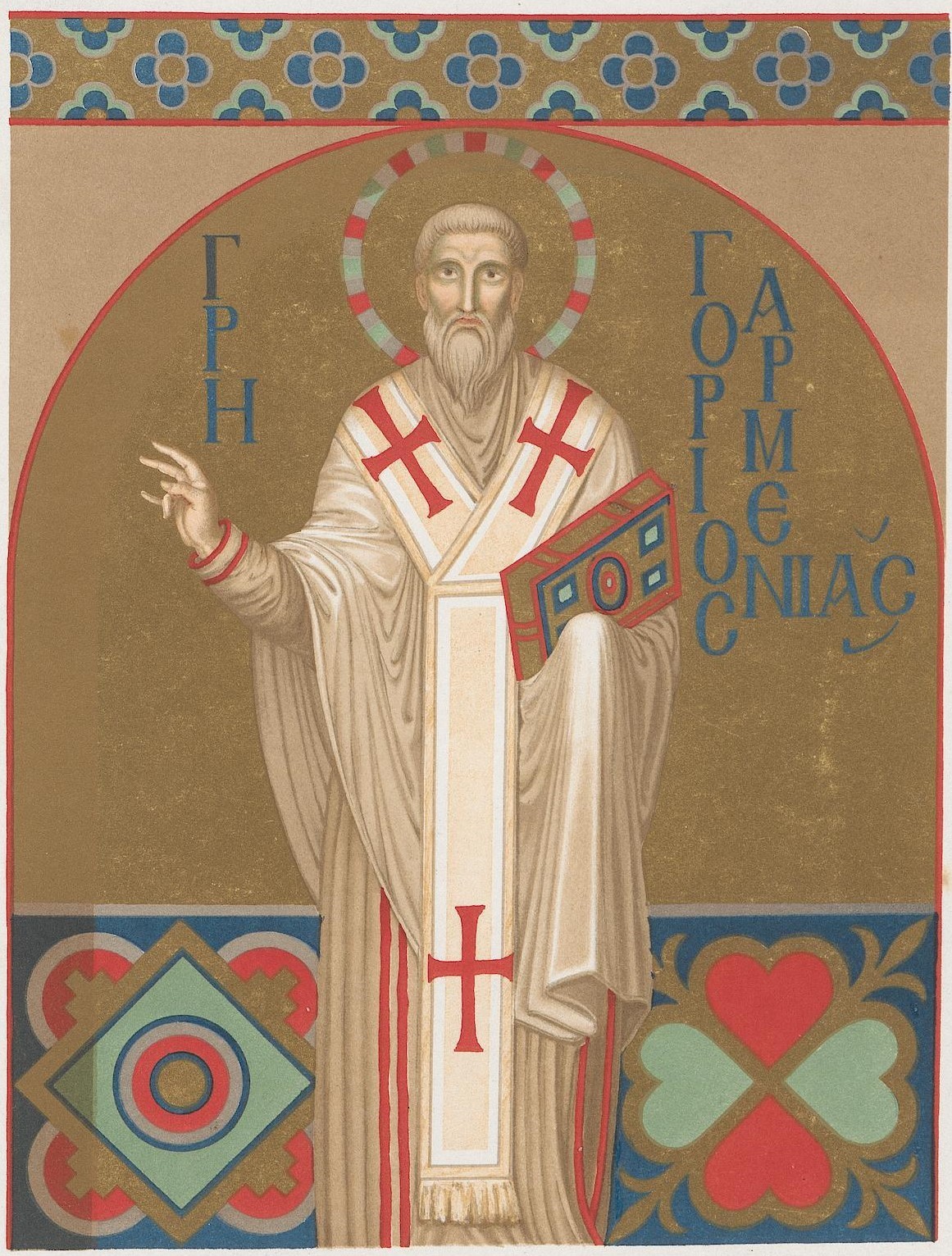
According to longstanding tradition, Christianity was preached in Armenia by apostles and early evangelists, and the nation adopted Christianity as its state religion in the early fourth century. Saint Gregory the Illuminator is credited with converting the Armenian royal house and founding the church's institutional life. The creation of the Armenian alphabet in the early fifth century enabled a rich literary and theological culture: translations of scripture, illuminated manuscripts, and theological writings became central to national identity.
Role in society and diaspora
The Armenian Apostolic Church has served not only as a religious institution but also as a guardian of language, education, and communal memory, especially during periods of dispersion. Large Armenian communities in the Middle East, Europe, the Americas, and Russia maintain parishes that connect local life to historic customs. The church administers parochial schools, monasteries, and cultural programs that preserve music, art, and liturgical practice.
Distinctive features and contemporary relations
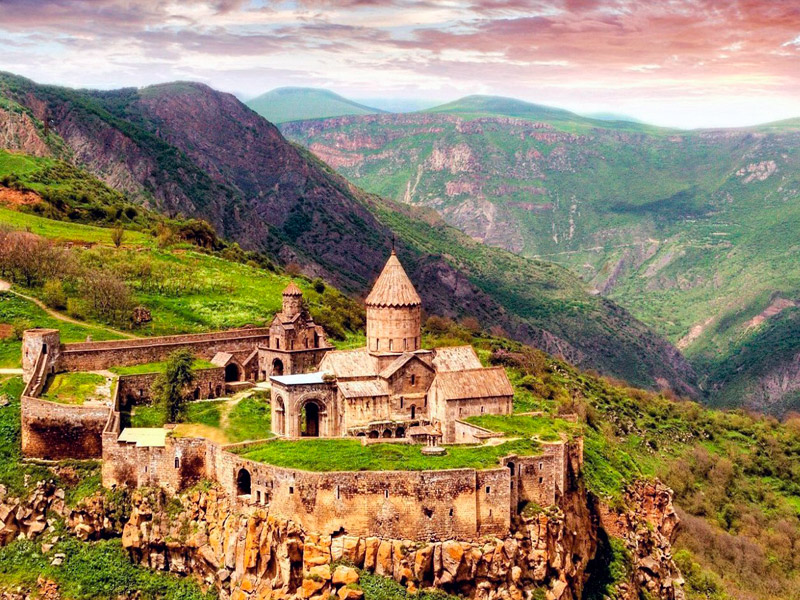
Distinctive features include a unique rite, early church architecture, and a continuous monastic and manuscript tradition. The church is separate from both Eastern Orthodox and Roman Catholic communions, though it takes part in modern ecumenical dialogue. Its relations with other Armenian denominations, such as Armenian Catholics and Protestant groups, reflect a complex religious landscape where history, identity, and theology intersect. For additional overviews and authoritative resources see further reading.
Tags
Related articles
Author
AlegsaOnline.com Armenian Apostolic Church: history, beliefs, structure, and cultural role Leandro Alegsa
URL: https://en.alegsaonline.com/art/5700