
Arupadai Veedu — The Six Abodes of Murugan
Arupadai Veedu (Āṟupadai veedu) are six celebrated Murugan temples in Tamil Nadu, central to Tamil religious tradition, literature and pilgrimage.
Overview
Āṟupadai veedu literally means "six camps" or "six abodes" and refers to a canonical group of six temples dedicated to the god Murugan in South India. Located in the Indian state of Tamil Nadu, these shrines are the principal historic centers of devotion to the deity who is also called Kartikeya, Kanda and Vadivela. Collectively they are treated in Tamil tradition as the six most sacred abodes and form a distinct pilgrimage circuit.
Image gallery
6 Images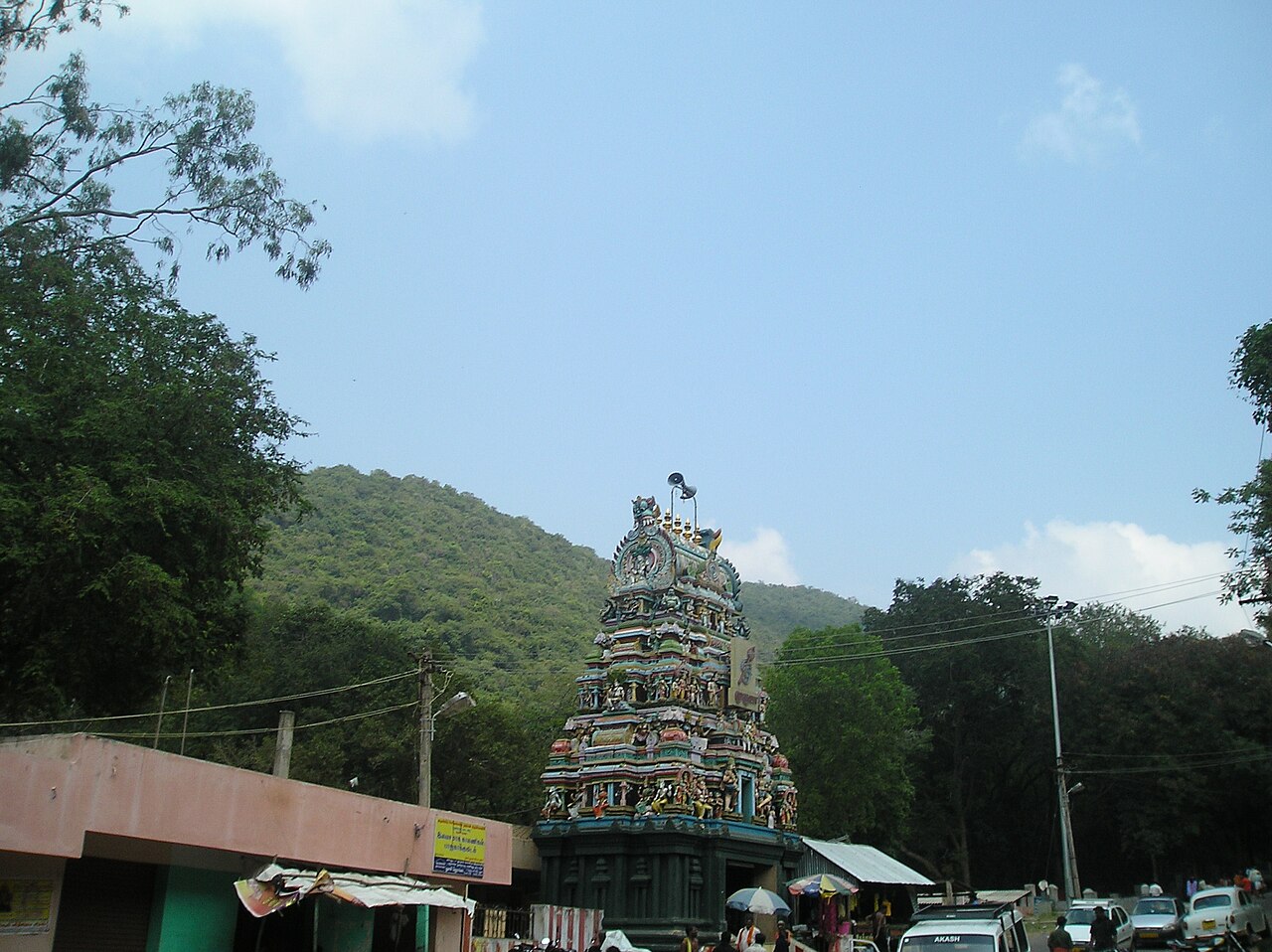


The six abodes and their characters
- Thiruparankundram — a hill- and rock-cut site near Madurai, associated with martial legends and with accounts of Murugan’s victory and marriage.
- Tiruchendur — a coastal temple on the Bay of Bengal, noted for its open-air location and traditions linked to Murugan’s combat with demonic forces.
- Palani — a famous hill shrine where Murugan is worshipped as a renunciate or ascetic; it draws devotees performing vows and carrying offerings to the hilltop deity.
- Swamimalai — near Kumbakonam, celebrated by a legend in which Murugan instructs his father in divine knowledge and is venerated as a teacher.
- Thiruthani — a serene hill temple associated with reconciliation and devotion, important in local pilgrimage routes.
- Pazhamudircholai — a woodland grove close to Madurai, known for its fruit trees, folk rituals and continuous village-level worship.
History and literary sources
The grouping of these six shrines is anchored in classical and medieval Tamil literature. Early poems and devotional compositions celebrated Murugan and particular sites; notable texts that mention and praise the abodes include the didactic poem Thirumurugatrupadai attributed to Nakkeerar and the hymns of Arunagirinathar compiled in Thiruppugazh. These works, along with later commentaries and temple inscriptions, helped fix the names and relative importance of each location and transmitted many of the local legends and ritual practices associated with the deity.
Rituals, festivals and cultural role
Each abode observes its own annual festival calendar, while all participate in pan-Murugan observances such as seasonal fasts and commemoration of battle and marriage episodes. Devotees undertake vows, carry kavadi, offer fruit and flowers, and seek healing or fulfillment of pledges. Temple worship combines orthodox Agamic ritual with regional folk customs, musical performance and devotional poetry, making these sites focal points of Tamil religious and cultural identity.
Architecture, art and landscape
The six abodes demonstrate varied architectural settings: rock-cut sanctuaries and hilltop complexes, coastal shrines exposed to the sea, and grove temples integrated with natural landscape. While elaborate gopurams, mandapas and stone sculptures appear at many sites, local materials and topography shape each temple’s built form. Iconography commonly emphasizes Murugan’s youth, martial attributes and association with the peacock and spear.
Pilgrimage practice and modern relevance
Visiting the Arupadai Veedu remains a popular pilgrimage practice for many Tamil-speaking communities. Pilgrims may travel to one or several abodes in sequence, sometimes performing austerities or circumambulating hill paths. The six shrines continue to attract scholars, devotees and tourists interested in South Indian religion, classical Tamil literature and regional art, and they are the subject of guidebooks and local histories.
Further reading and links
For introductions to terminology and texts see entries on the traditional Tamil name and on Murugan: Tamil name, Murugan and Kartikeya. General information and temple lists are available in surveys of South Indian shrines: temple list. For regional context and administrative details consult materials on South India, the state of the state and Tamil Nadu. The canonical grouping and related hymns are discussed under canonical abodes.
Readers seeking to visit should consult local sources for practical details such as opening hours, seasonal access to hill paths and festival dates. Academic introductions, translations of the classical hymns and archaeological surveys provide fuller historical and literary background.
Questions and answers
Q: What are the Six Abodes of Murugan?
A: The Six Abodes of Murugan are six temples in the South Indian state of Tamil Nadu.
Q: What other names is Murugan known by?
A: Murugan is also known as Kartikeya, Kanda, Vadivela and Murugan.
Q: Where were the six most sacred abodes of Murugan written about?
A: The six most sacred abodes of Murugan were written about in Tamil sangam literature. They are mentioned in "Thirumurugatrupadai" by Nakkeerar and in "Thiruppugazh" by Arunagirinathar.
Q: What are the names of the six abodes?
A: The names of the six abodes are Thiruparankundram, Tiruchendur, Palani, Swamimalai, Thiruthani and Pazhamudircholai.
Q: Where is this temple located?
A: The Six Abodes of Murugan are located in the South Indian state of Tamil Nadu.
A:
Related articles
Author
AlegsaOnline.com Arupadai Veedu — The Six Abodes of Murugan Leandro Alegsa
URL: https://en.alegsaonline.com/art/6401