
Kennedy Space Center Launch Complex 39
Launch Complex 39 at Kennedy Space Center is the multi-pad rocket launch facility built for Apollo, adapted for Space Shuttle operations, and now used and modified for modern commercial and NASA heavy-launch vehicles.
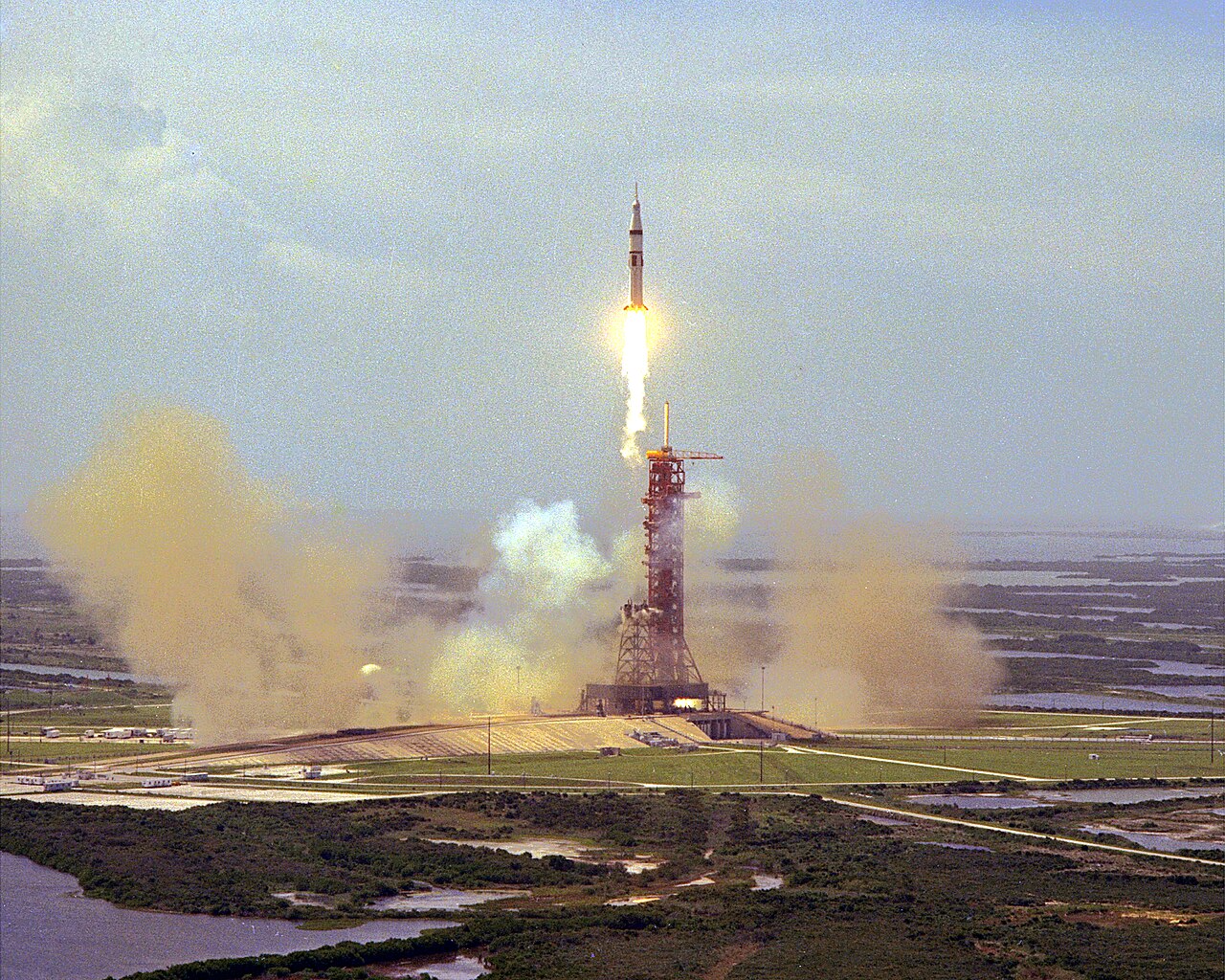
The Kennedy Space Center Launch Complex 39 (LC-39) is a purpose-built rocket launch area on Merritt Island, part of the Kennedy Space Center campus in Florida, United States. Originally created to support the Saturn V vehicles of the Apollo program, LC-39 grew into a multi-pad complex that has hosted a wide range of human-rated and heavy-lift launchers. Its design emphasizes large vehicle assembly, a robust flame trench and sound-suppression systems, and dedicated ground infrastructure for crewed operations.
Image gallery
10 Images





Layout and principal elements
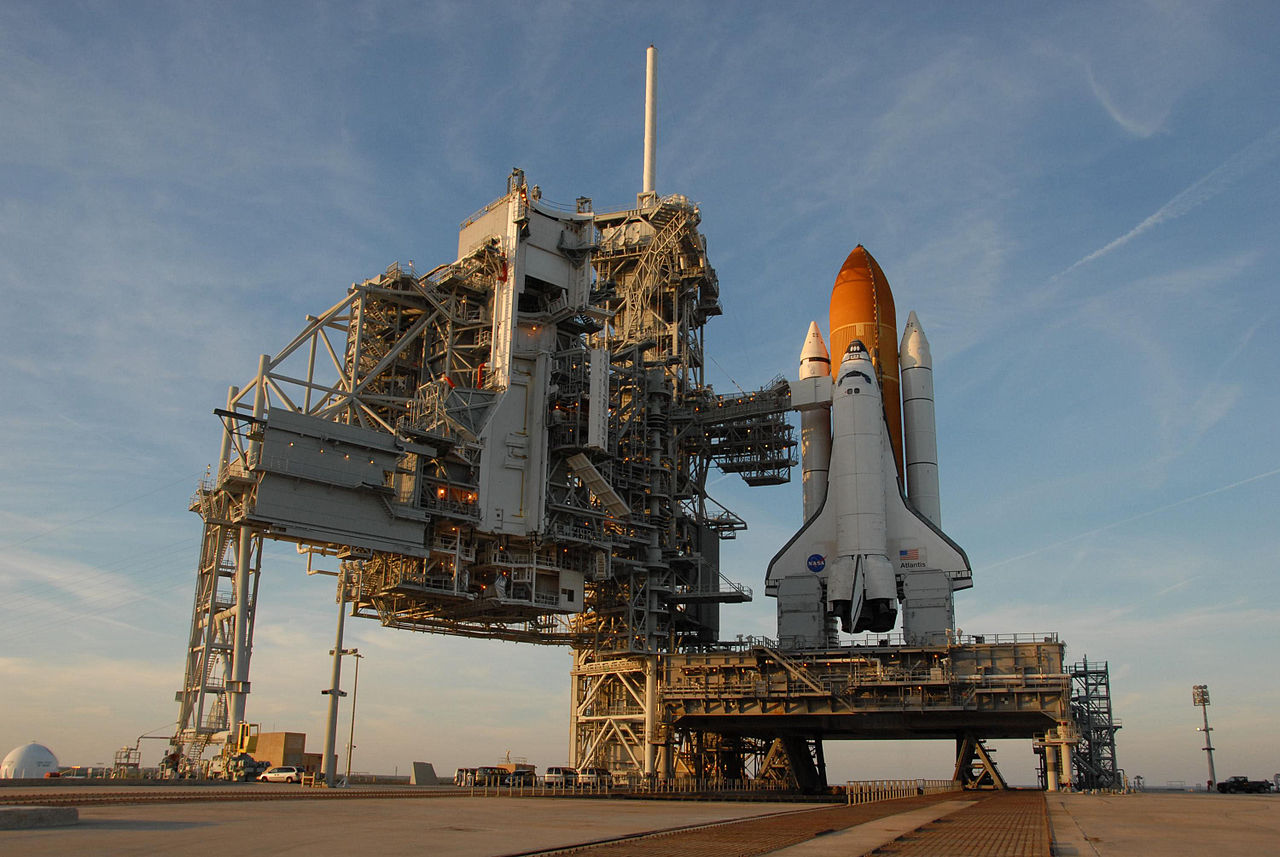
LC-39 comprises three primary launch pads and substantial ground support buildings. The complex is tightly integrated with the Vehicle Assembly Building (VAB), crawlerway, and the mobile launch platforms used to move rockets from assembly to pad. Key structural and service features include flame deflectors, water sound suppression, lightning protection towers, and fixed and mobile service structures adapted to different vehicle types.
Pads 39A, 39B and 39C
- Pad 39A — Converted from Saturn V to Space Shuttle use and later leased to SpaceX, 39A supports commercial launches including the Falcon 9 and the heavy-lift Falcon Heavy.
- Pad 39B — Rebuilt repeatedly to accommodate Shuttle-era hardware and then reconfigured for NASA’s large exploration vehicles; it is being prepared to support the Space Launch System and future multi-user activities.
- Pad 39C — A small pad added within the LC-39 area to provide short-notice launches for smaller rockets; it has seen limited use and remains suited for light-class vehicles.
History and evolution
Conceived in the 1960s for the Apollo lunar program, LC-39 was adapted in the late 20th century to support Space Shuttle operations by adding rotating service structures and crew access systems. After the Shuttle era ended, LC-39 underwent further change: commercial operators began using the complex, while NASA modernized infrastructure to enable new exploration architectures and to host next-generation heavy-lift rockets.
Uses and significance
LC-39 has been central to U.S. human spaceflight and heavy-launch capability for decades. It illustrates how launch infrastructure can be repurposed across programs: from Saturn V to Shuttle, and from government-only launches to a mixed government-commercial environment. The complex supports both crewed missions and large cargo launches, and its ongoing upgrades reflect broader shifts toward multi-user and commercial space operations.
Further information
For program histories and technical details, see resources on the Kennedy Space Center site, historical summaries of the Apollo and Space Shuttle programs, commercial operator pages such as SpaceX, and official NASA material about the Space Launch System. Additional background on current rockets includes pages for Falcon 9 and Falcon Heavy. Local and national context is available through links to Florida and United States aeronautics and space resources.
Related articles
Author
AlegsaOnline.com Kennedy Space Center Launch Complex 39 Leandro Alegsa
URL: https://en.alegsaonline.com/art/52885