
Falcon 9 — SpaceX two‑stage reusable orbital launch vehicle
Falcon 9 is a two-stage, partially reusable orbital rocket built by SpaceX. It delivers satellites, cargo and crew to orbit and is notable for its reusable first stage and multiple modern variants.
Overview
The Falcon 9 is a two-stage orbital launch vehicle developed and manufactured by SpaceX in the United States. Designed from the outset for partial reusability, its first stage is capable of autonomous return and vertical landing so it can be refurbished and reflown. The name refers both to the nine Merlin engines that power the first stage and to a pop-culture inspiration — the hull shape and name echo the fictional Star Wars ship, the Millennium Falcon. The vehicle uses cryogenic liquid oxygen and rocket‑grade kerosene (RP‑1) as propellants and has become a workhorse of contemporary commercial and government space operations.
Image gallery
10 Images

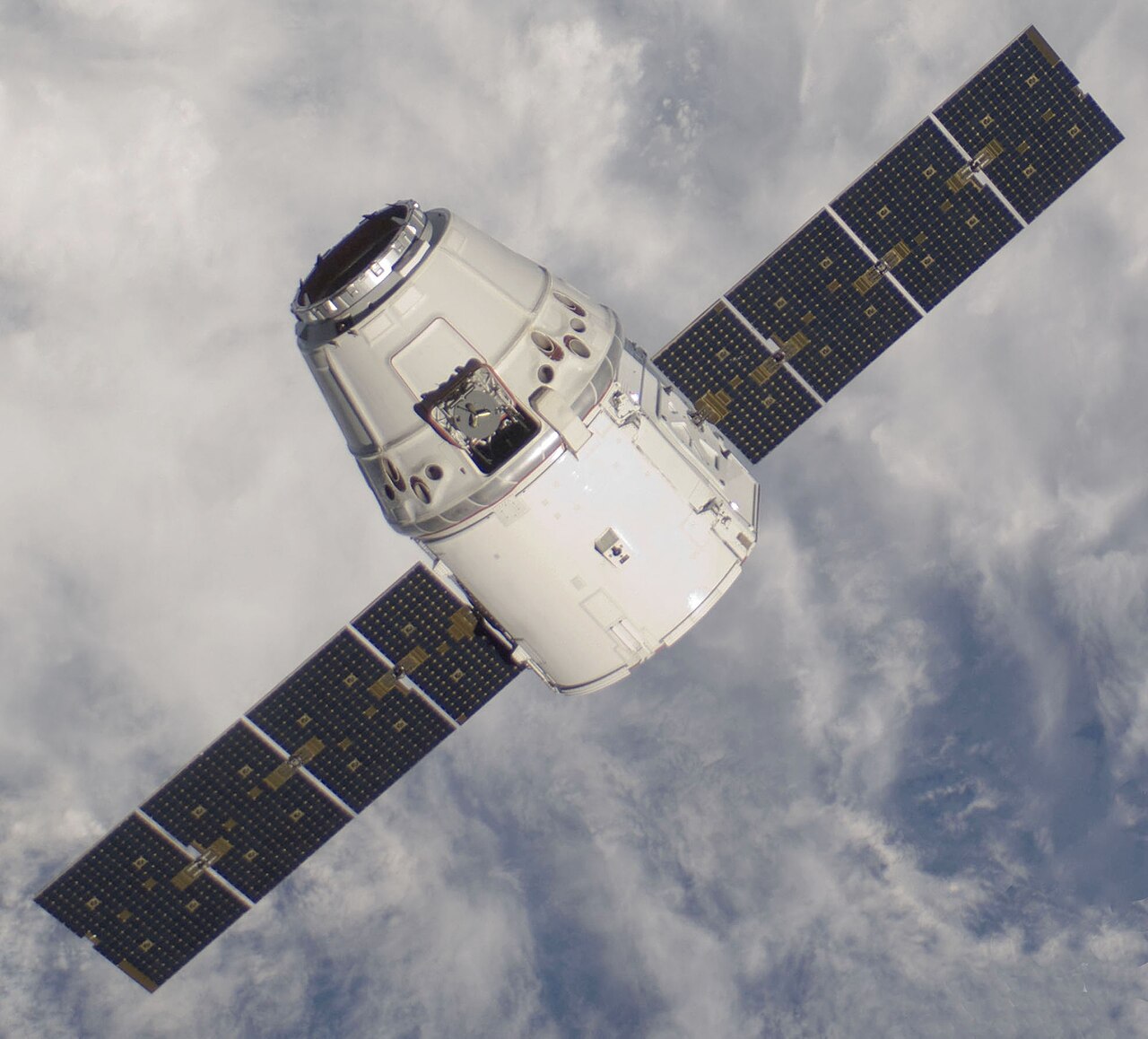


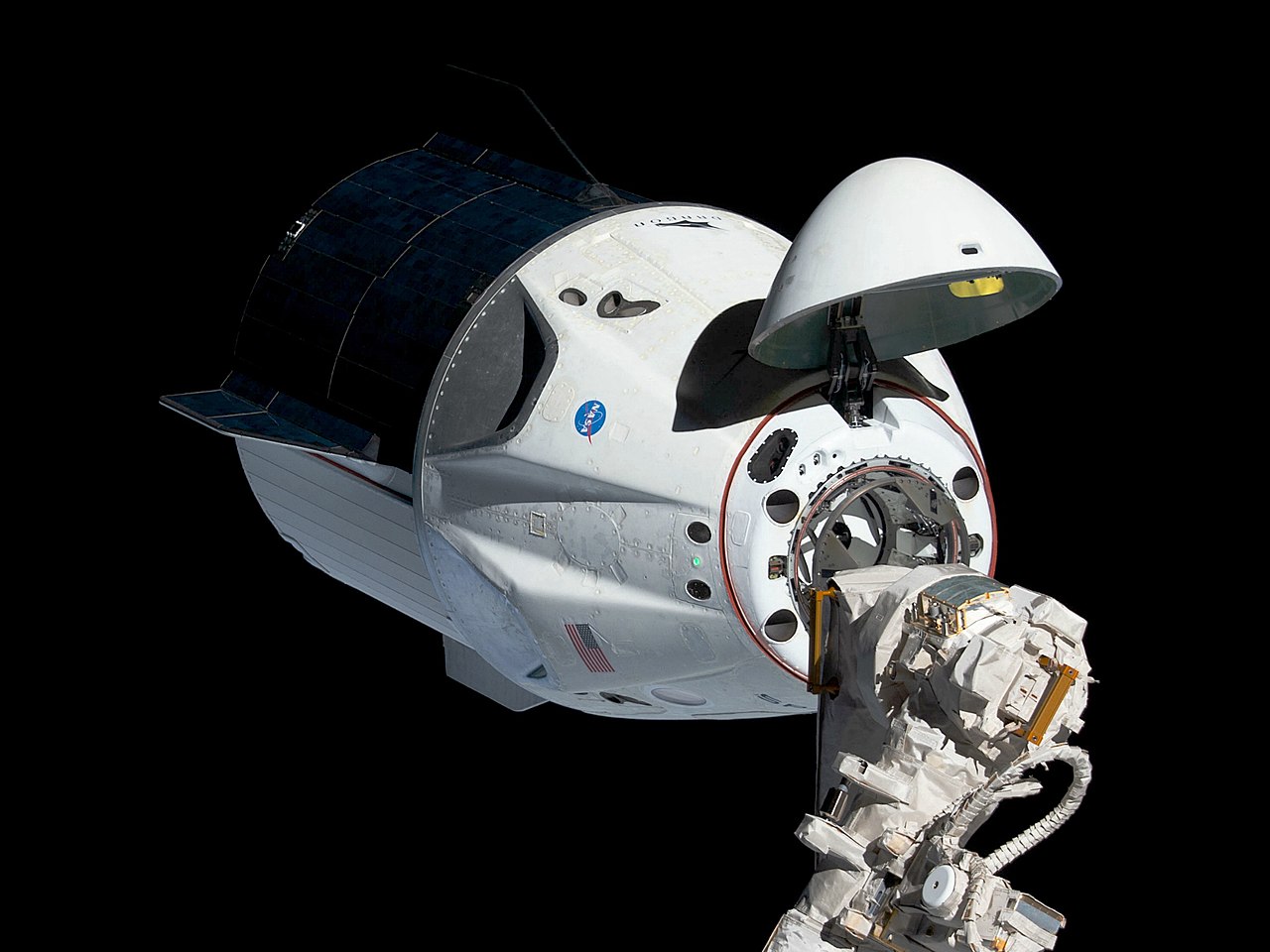
Design and main components
Falcon 9’s first stage contains a cluster of nine Merlin engines arranged to provide both high thrust and engine‑out capability. The second stage uses a single Merlin engine optimized for vacuum. The rocket’s construction emphasizes streamlined manufacturing, flight‑proven components, and features that enable booster recovery: deployable landing legs, grid fins for atmospheric control, and robust thermal protection. Payloads ride in a fairing atop the second stage and the vehicle can be configured with different payload adapters for satellites, cargo capsules, or crewed spacecraft. The propellant combination of LOX and RP‑1 gives a balance of density and performance suited to reusable boosters.
Development, variants and evolution
The Falcon 9 has evolved through several major blocks. Early models (v1.0 and v1.1) established the basic two‑stage architecture; the later v1.2 “Full Thrust” introduced denser propellant loading and chilled propellants to increase performance. Incremental upgrades culminated in the Block 5 variant, introduced in 2018, which incorporated structural reinforcement, improved thermal protection, higher thrust margins and features intended to make rapid re‑flight practical. A typical list of milestone variants includes:
- v1.0 — initial flights that validated the design.
- v1.1 — expanded first‑stage diameter and uprated performance.
- Full Thrust (v1.2) — chilled propellants and higher performance.
- Block 5 — final high‑reusability production standard with improved avionics and landing systems.
This evolutionary approach allowed incremental improvements to be fielded while maintaining an active manifest of launches. The design family also served as the center core of the larger Falcon Heavy, which adds two strap‑on Falcon 9 first stages to boost overall payload capacity.
Operational use, missions and capabilities
Falcon 9 serves a broad range of missions: commercial satellite deliveries to low Earth orbit and geostationary transfer orbit, government and national security launches, resupply missions to the International Space Station, and crewed flights carrying NASA astronauts. SpaceX secured a NASA Commercial Resupply Services contract and later demonstrated human-rated operations with the Crew Dragon capsule. Falcon 9 is certified for important government programs and has been used for both routine and high‑priority payloads. It can place a large metric‑ton payload into low Earth orbit and substantial mass into geostationary transfer orbit; mission planners trade off payload mass against first‑stage recovery to meet customer needs.
Notable records, reuse and practical impact
One of Falcon 9’s defining contributions is the operational reuse of the first stage. SpaceX has achieved well over one hundred successful booster landings and has reflown individual boosters multiple times, demonstrating a new model for reducing launch costs through hardware recovery. The Block 5 improvements aimed at dozens of flights per booster and faster turnaround. Falcon 9 also set public records for rideshare and constellation deployment, including missions that launched well over a hundred small satellites on a single flight, illustrating its flexibility for both large single‑satellite missions and mass rideshare operations. Its role in restoring domestic crew launch capability for the NASA human spaceflight program and regular commercial access to orbit has been widely noted as a pivotal change in the global launch market.
Distinctions and future context
Falcon 9 is distinct for combining modern turbopump engines, high launch cadence, and practical reusability. It occupies a transitional place in launch history: a highly capable current system that is being supplemented, in SpaceX planning, by the much larger, fully reusable Starship system. Meanwhile, the Falcon 9 and its Heavy variant continue to support satellite deployment, crewed rotations to the ISS, national security launches, and commercial ventures. Its widespread adoption by commercial and government customers has influenced procurement strategies and spurred similar efforts elsewhere in the industry.
Further technical resources, mission manifests, and manufacturer details can be found through official channels and program documentation — for instance, basic information and technical summaries provided by the manufacturer (SpaceX) and launch service providers. For summaries of orbital mechanics and launch profiles related to capacity to low Earth orbit (LEO) or specifics about propellant types like RP‑1, consult educational and agency resources. For examples of high‑profile payloads and rideshare missions, see records describing large satellite deployments and constellation launches, sometimes reported under the generic heading of satellites.
Although many features and performance metrics are well documented, some operational specifics change with ongoing upgrades and flight experience. For the most current launch statistics, mission lists and variant details consult the manufacturer and relevant agency notices for the latest verified information.
Questions and answers
Q: What is Falcon 9?
A: Falcon 9 is a two-stage rocket designed and manufactured by SpaceX in the United States. It uses cryogenic liquid oxygen and rocket-grade kerosene (RP-1) as fuel, and its name comes from the fictional Star Wars spacecraft, the Millennium Falcon. The number nine refers to the nine engines of the rocket's first stage.
Q: How many versions of Falcon 9 are there?
A: There have been many versions of the rocket, including v1.0 (2010–2013), v1.1 (2013–2016), v1.2 Full Thrust (2015–present), Block 5 version, and Block 5 Full Thrust version which has been used since May 2018.
Q: Is it possible to reuse parts of Falcon 9?
A: Yes, parts of the rocket can be used more than one time - for example, the latest version of the first stage can return to Earth and be flown again many times.
Q: How much cargo can Falcon 9 carry?
A: It can carry up to 22,800 kilograms (50,300 lb) to low Earth orbit (LEO). If fully used it can carry 8,300 kg (18,300 lb) to geostationary transfer orbit (GTO). When recovered after launch it can carry 5500 kg (12100 lb) to GTO with a cargo size of 145 cubic meters of volume.
Q: What contract did SpaceX win in 2008?
A: In 2008 SpaceX won a Commercial Resupply Services (CRS) contract in NASA's Commercial Orbital Transportation Services program that would take cargo to the International Space Station using their Falcon 9 and Dragon capsule.
Q: What record did Falcon 9 set on 24 January 2021?
A: On 24 January 2021Falcon 9 set a new record for launching 143 satellites into orbit at once - this was more than any other U.S rocket currently being used at that time.
Related articles
Author
AlegsaOnline.com Falcon 9 — SpaceX two‑stage reusable orbital launch vehicle Leandro Alegsa
URL: https://en.alegsaonline.com/art/33329
Sources
- spaceflightnow.com : "Air Force requirements will keep SpaceX from landing Falcon 9 booster after GPS launch – Spaceflight Now"
- popularmechanics.com : "SpaceX Test-Fires New Falcon 9 Block 5 Rocket Ahead of Maiden Flight (Updated)"
- spacenews.com : "Orbcomm Craft Launched by Falcon 9 Falls out of Orbit"
- nasaspaceflight.com : "SpaceX returns to flight with OG2, nails historic core return"
- nasaspaceflight.com : "SpaceX successfully launches debut Falcon 9 v1.1"
- spacex.com : "Falcon 9" · web.archive.org
- spacex.com : "Falcon 9 | SpaceX"
- bbc.co.uk : "SpaceX lifts off with ISS cargo"