
Kennin (建仁): Japanese era name, 1201–1204
Kennin (建仁) was a Japanese era name (nengō) spanning February 1201 to February 1204 during Emperor Tsuchimikado’s reign; noted for political consolidation under the Kamakura regime and the founding of Kennin-ji temple.
Overview
Kennin (建仁) was a Japanese era name, or nengō, that ran from February 1201 through February 1204. It followed the Shōji era and preceded the Genkyū era. The reigning sovereign during Kennin was Emperor Tsuchimikado (土御門天皇). The two kanji of the era name, 建 (build/establish) and 仁 (benevolence/humanity), are conventionally read as expressing an aspiration for stable, benevolent governance.
Image gallery
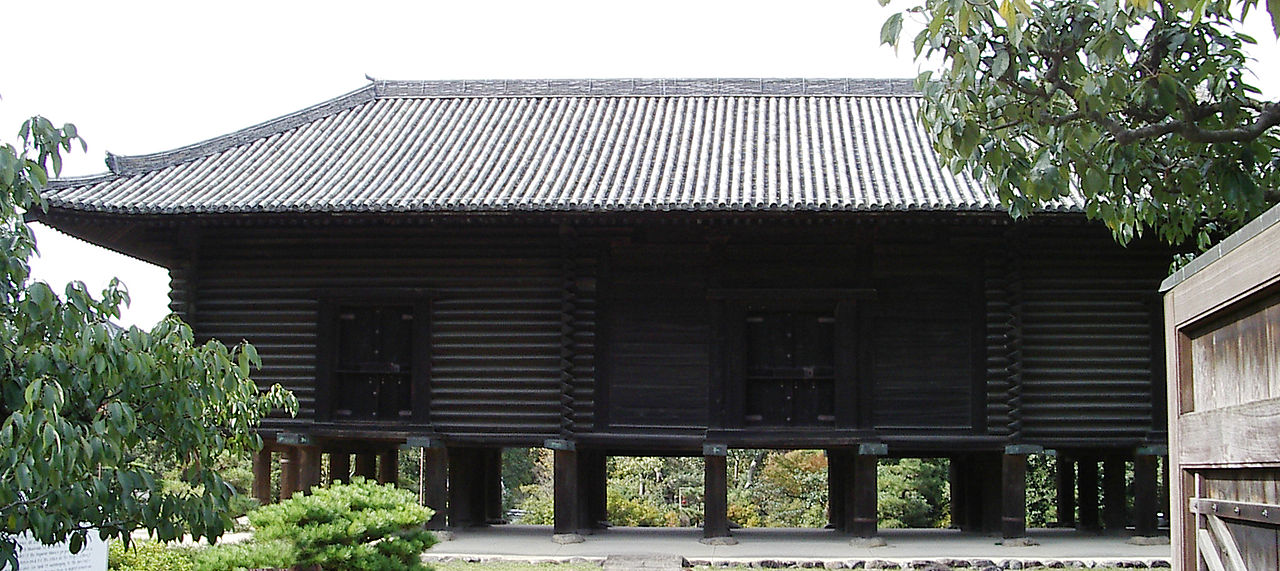
3 Images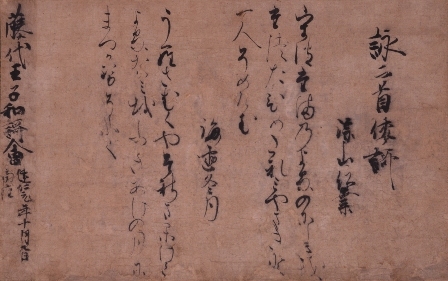

Key facts
- Period: February 1201–February 1204.
- Emperor: Tsuchimikado-tennō.
- Historical setting: early Kamakura period, after establishment of the shogunate in the late 12th century.
The Kennin era sits in a transitional phase of Japanese history when power was shared and contested between the imperial court in Kyoto and the Kamakura military government. Although the emperor remained the formal sovereign, real political influence increasingly lay with the shogunate and its regents and councils, which were consolidating administrative and judicial practices.
Cultural and religious developments
Religious and cultural life continued to evolve during Kennin. A prominent development often associated with this period is the founding of Kennin-ji in Kyoto, a Rinzai Zen temple established by the priest Eisai in the early 13th century. Kennin-ji became an important center for the spread of Zen teachings and influenced later artistic and religious trends in Japan, including ink painting and temple culture.
Poetry, court rituals and provincial administration persisted along older lines even as samurai institutions matured. Records from short era spans such as Kennin are frequently sparse, so historians rely on chronicles, temple records and legal documents to reconstruct social and political changes of the time.
Era names like Kennin were chosen for symbolic reasons—often to mark auspicious beginnings, respond to calamities, or renew the imaginary of rule. Although the Kennin era lasted only three years, it forms part of the broader pattern of early Kamakura-era transformation in governance, religion and cultural life, and its legacy endures most visibly through institutions such as Kennin-ji.
Related articles
Author
AlegsaOnline.com Kennin (建仁): Japanese era name, 1201–1204 Leandro Alegsa
URL: https://en.alegsaonline.com/art/52909
Sources
- books.google.com : "Kennin"
- books.google.com : Annales des empereurs du japon, pp. 221-227
- books.google.com : Gukanshō, p. 340
- books.google.com : 225
- books.google.com : p. 226